-
London Asylum
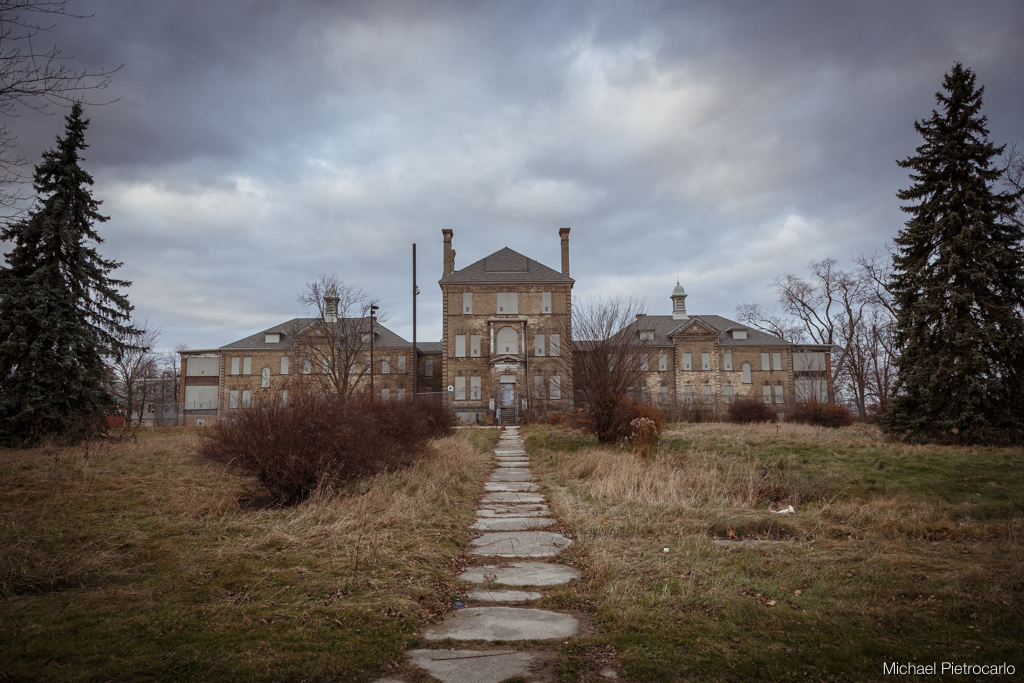
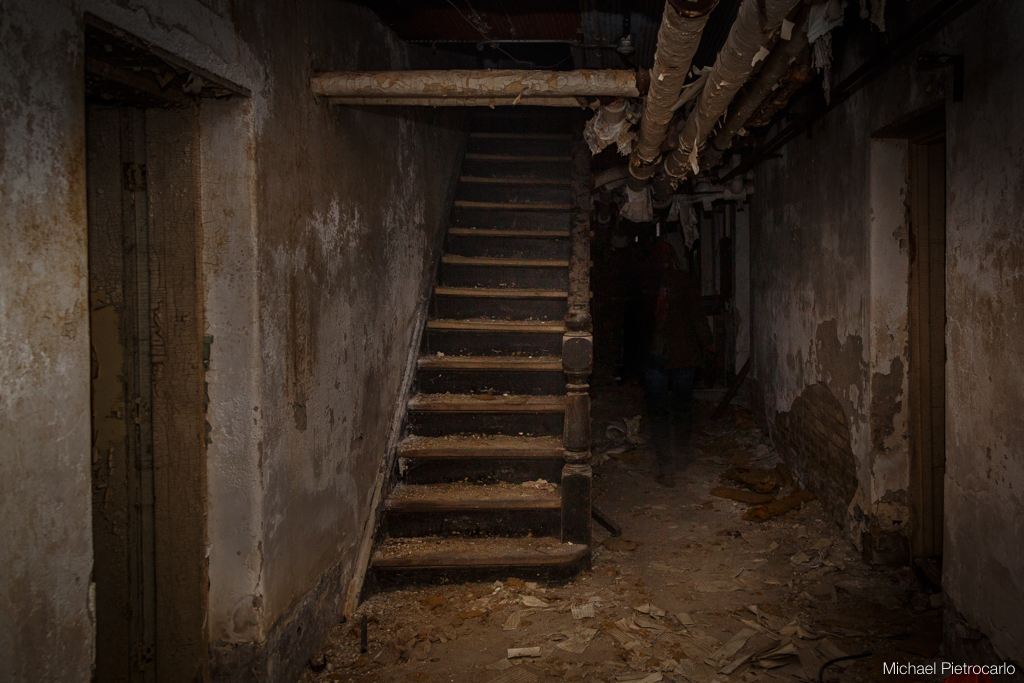
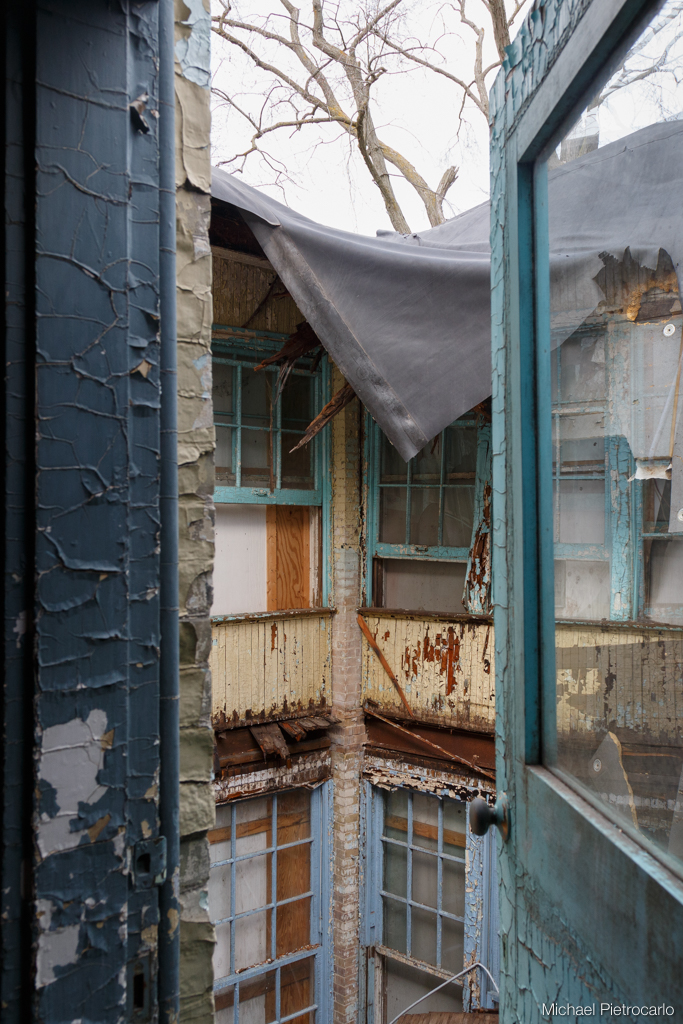
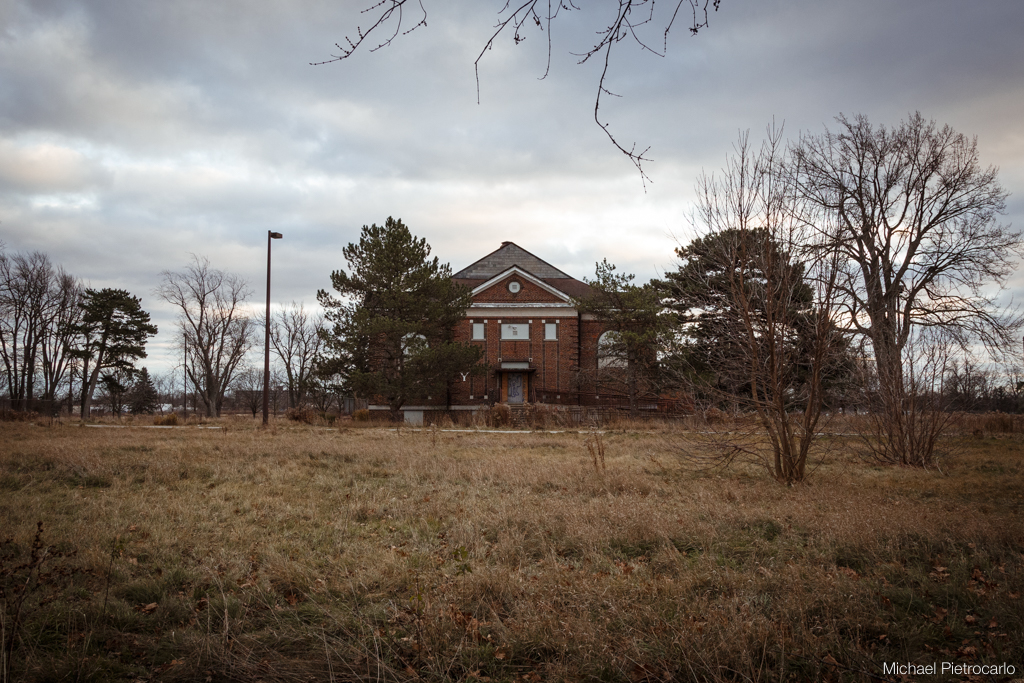
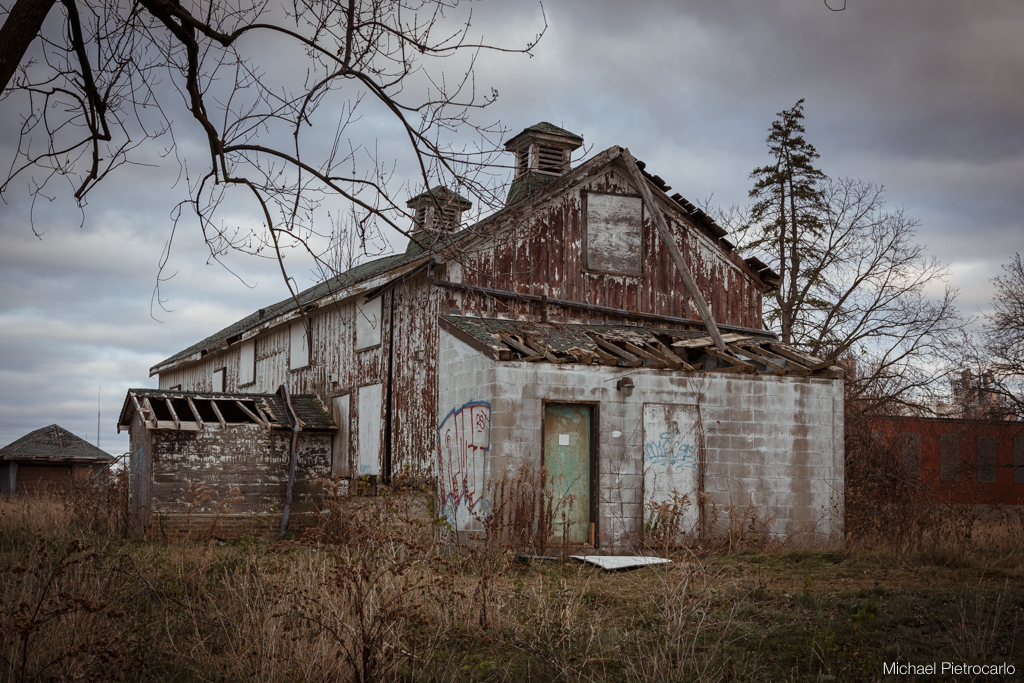
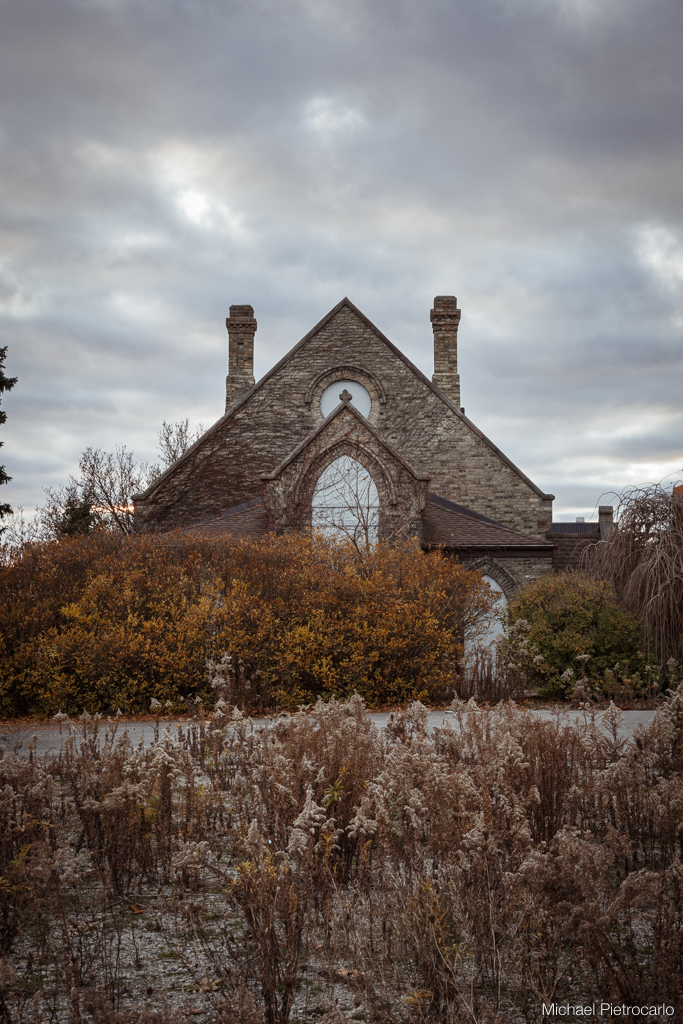
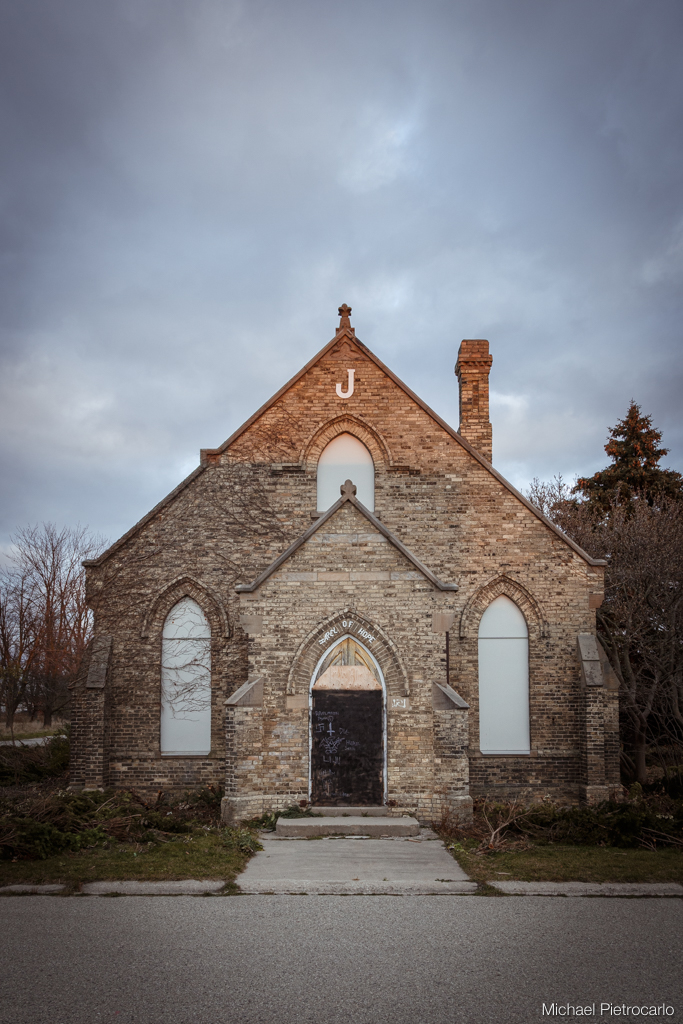
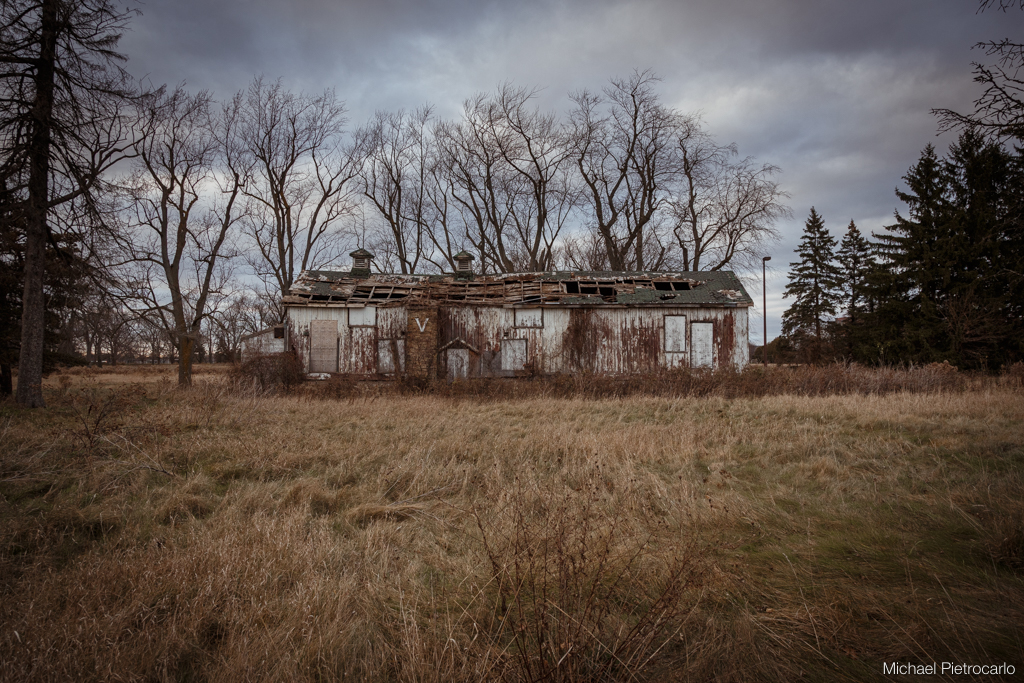
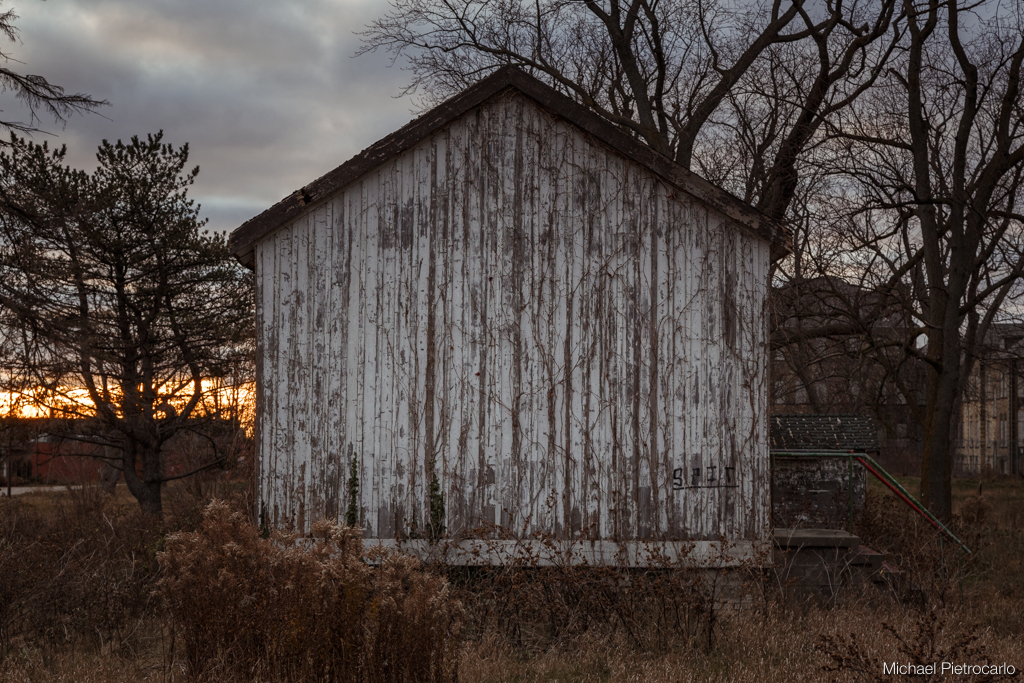
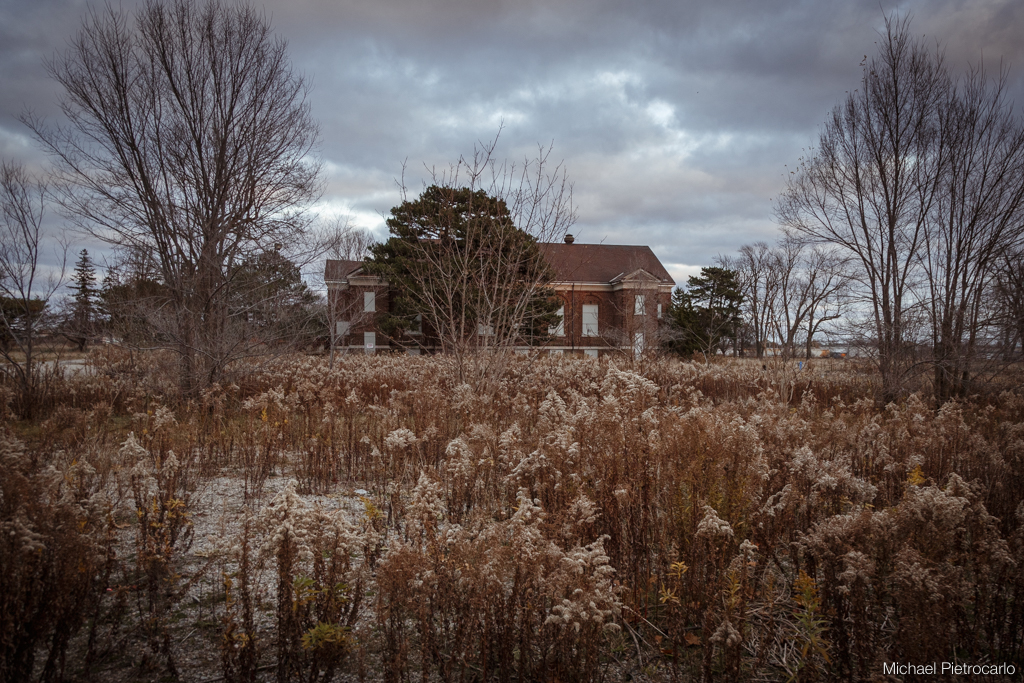
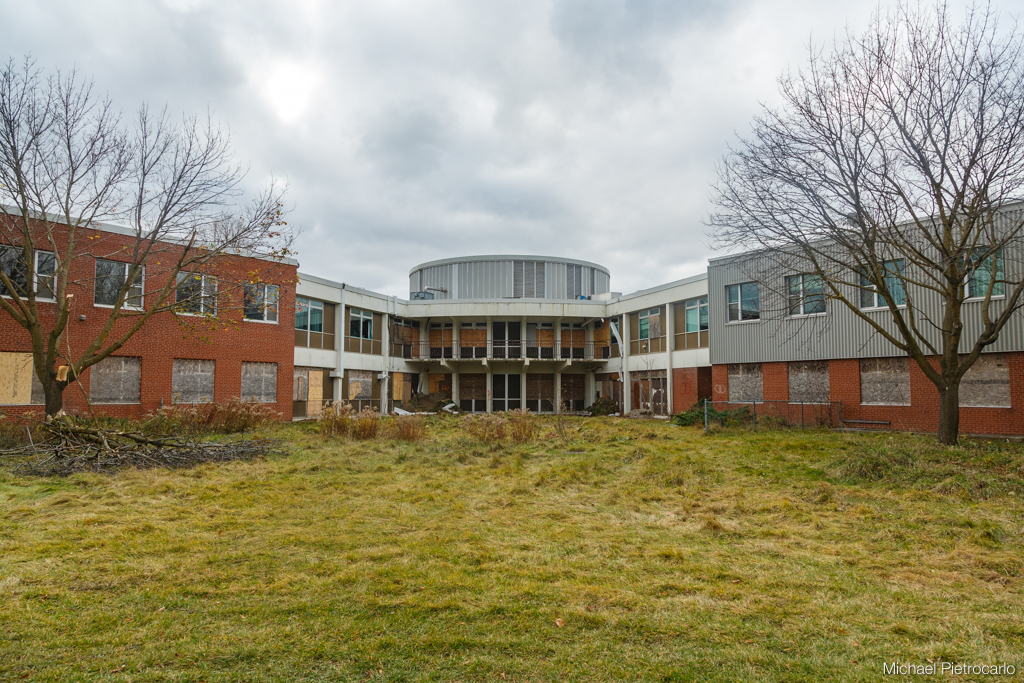
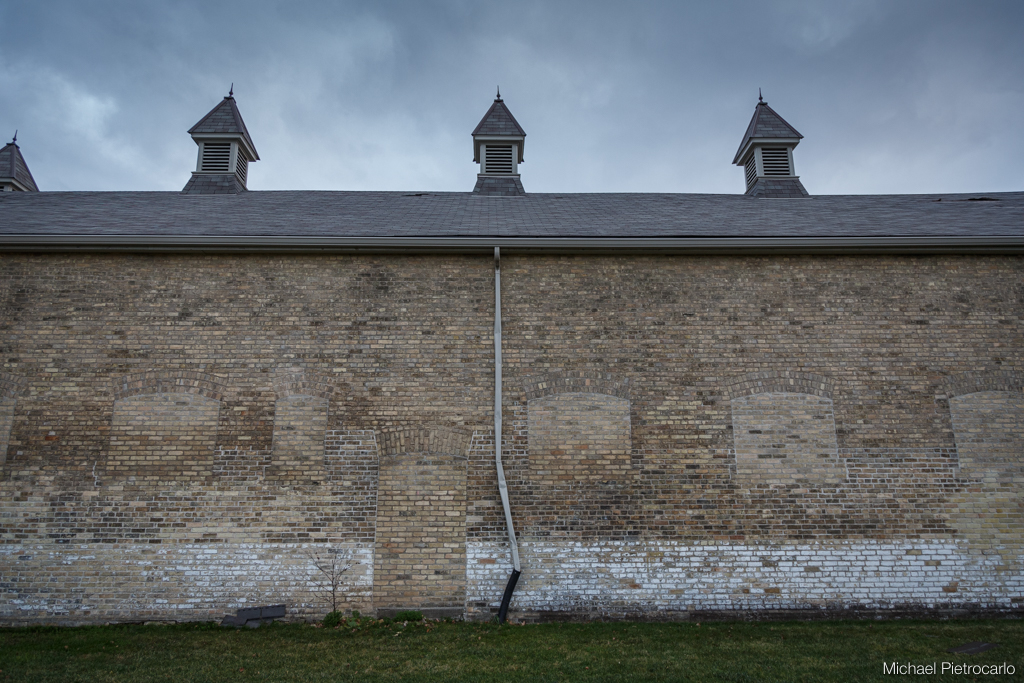
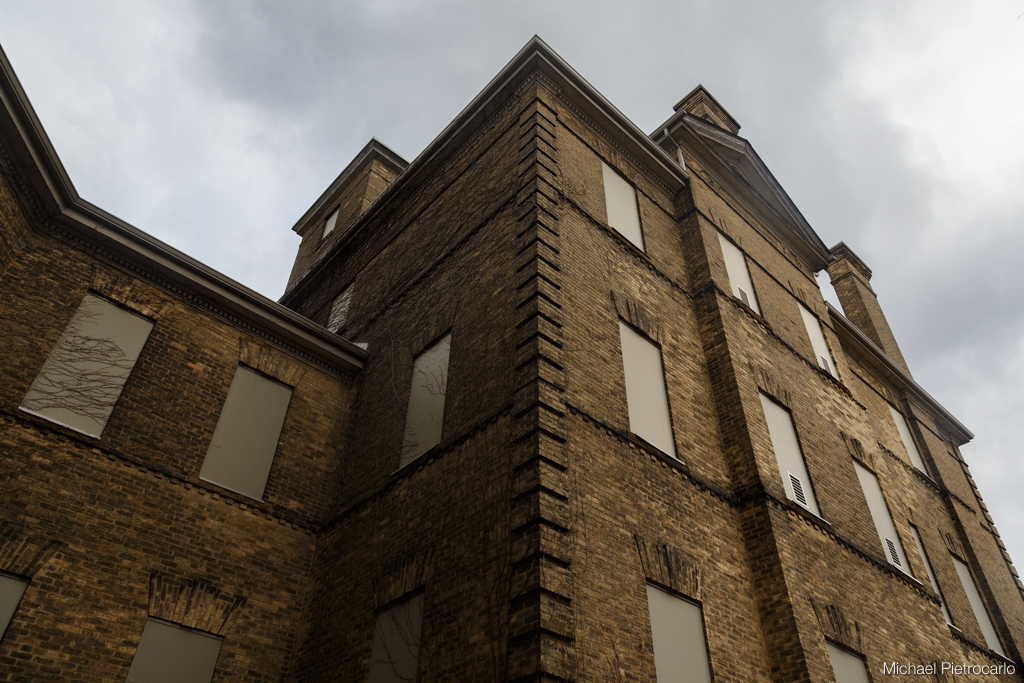
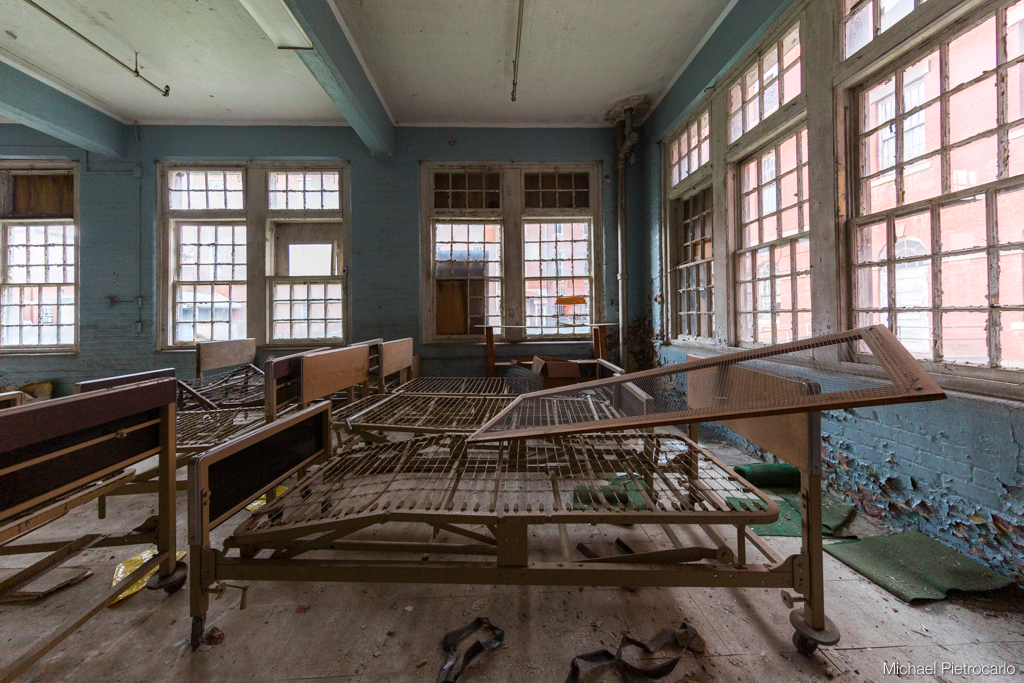
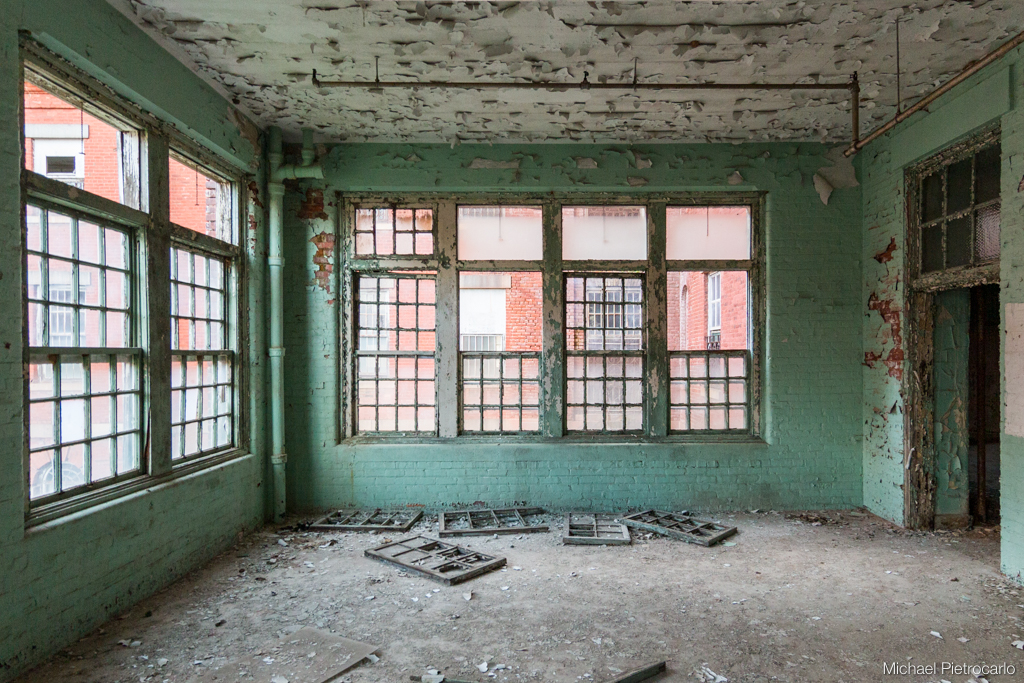
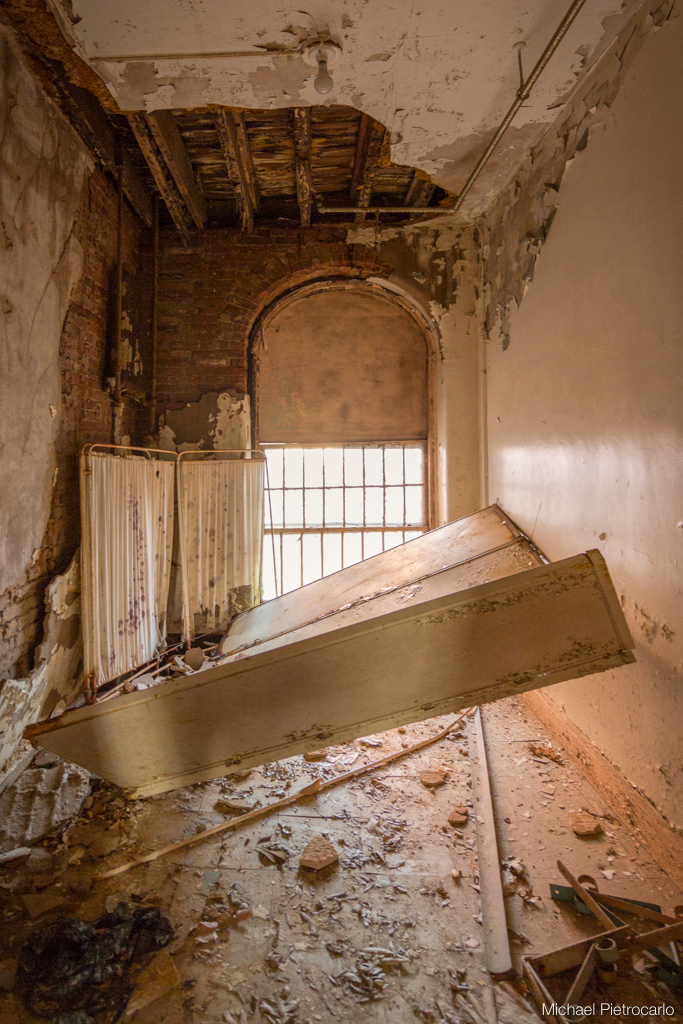
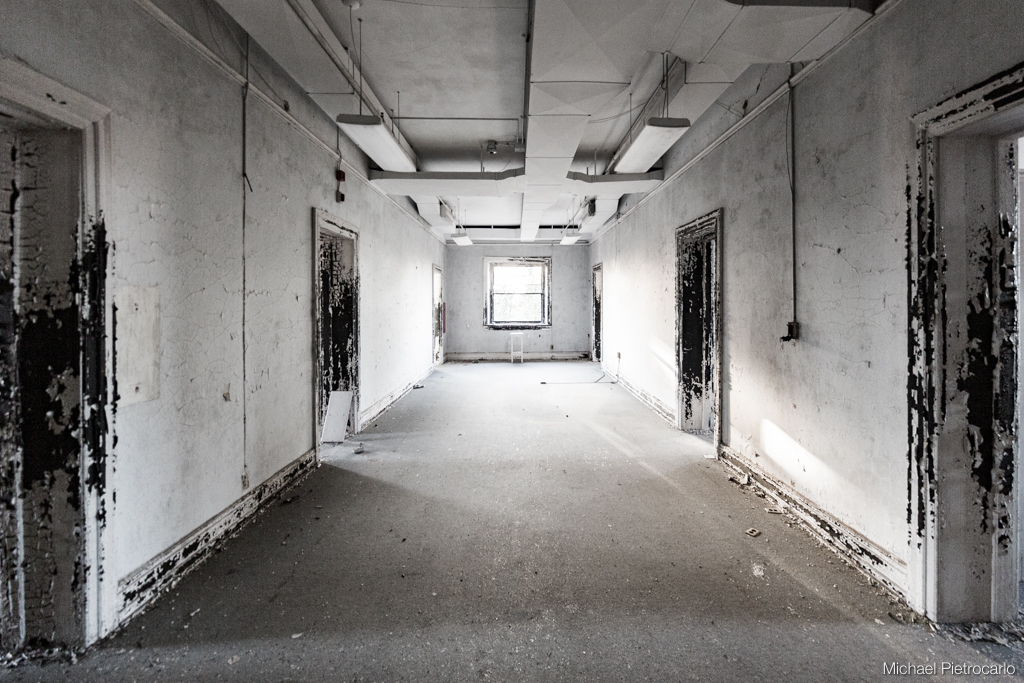
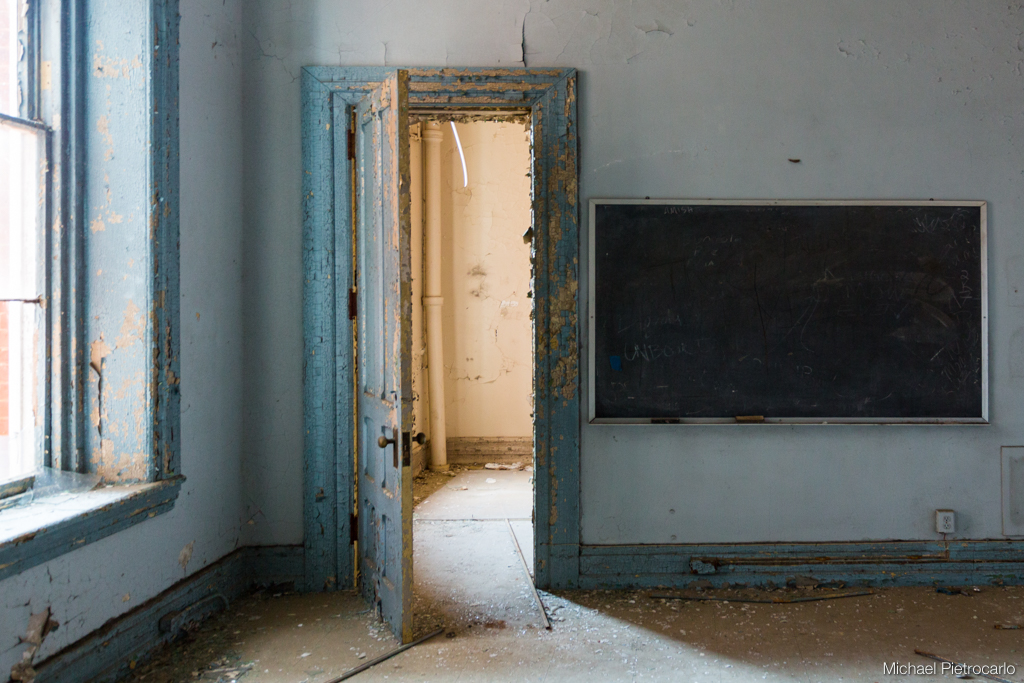
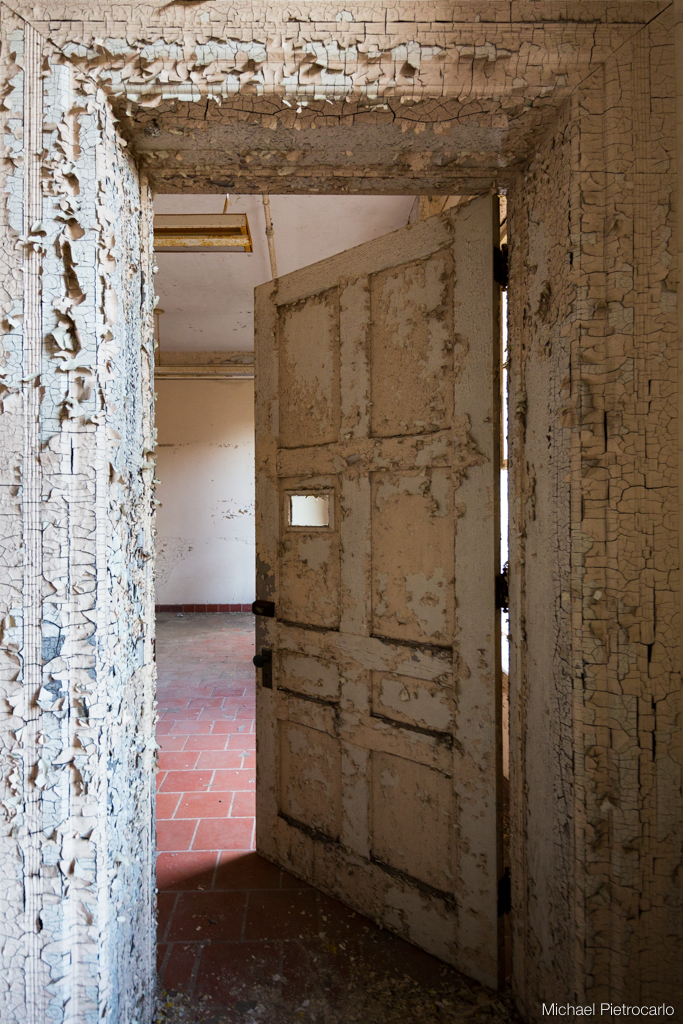
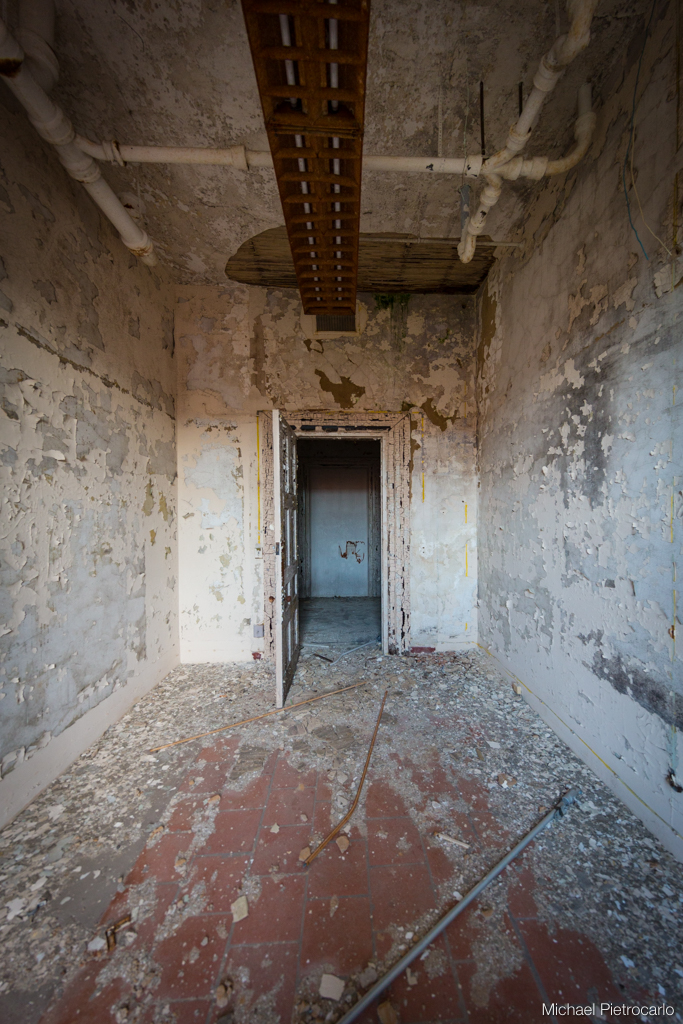
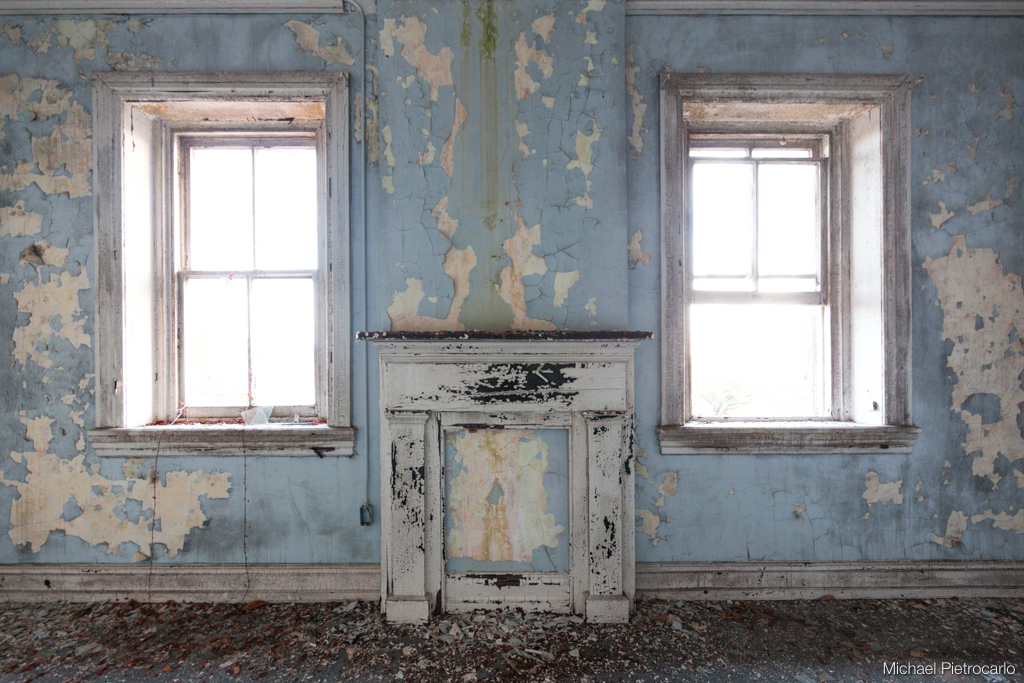
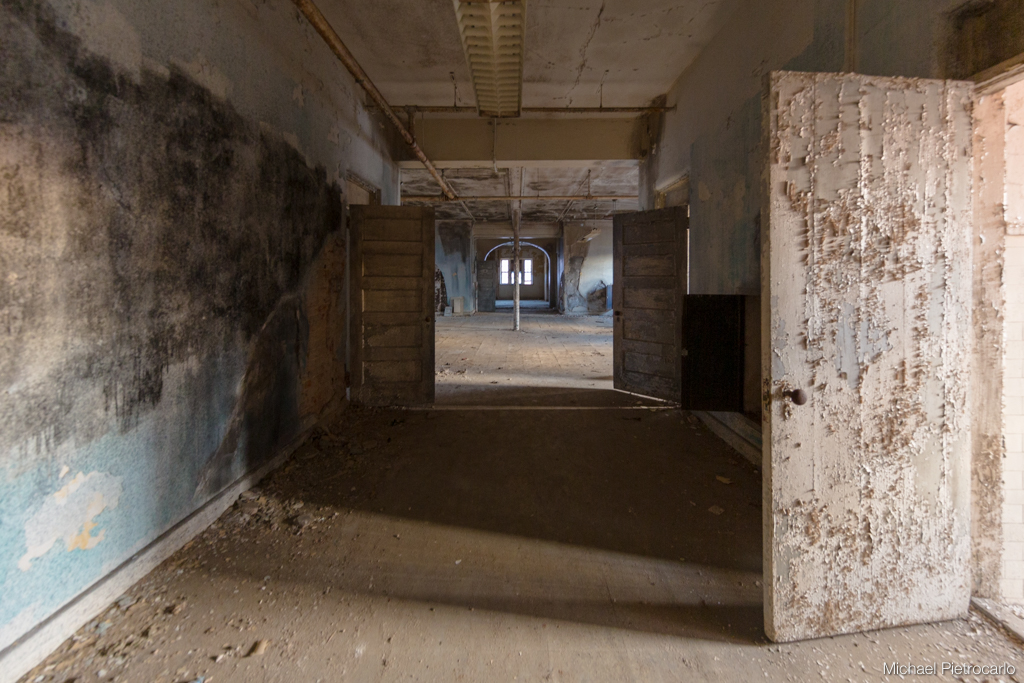
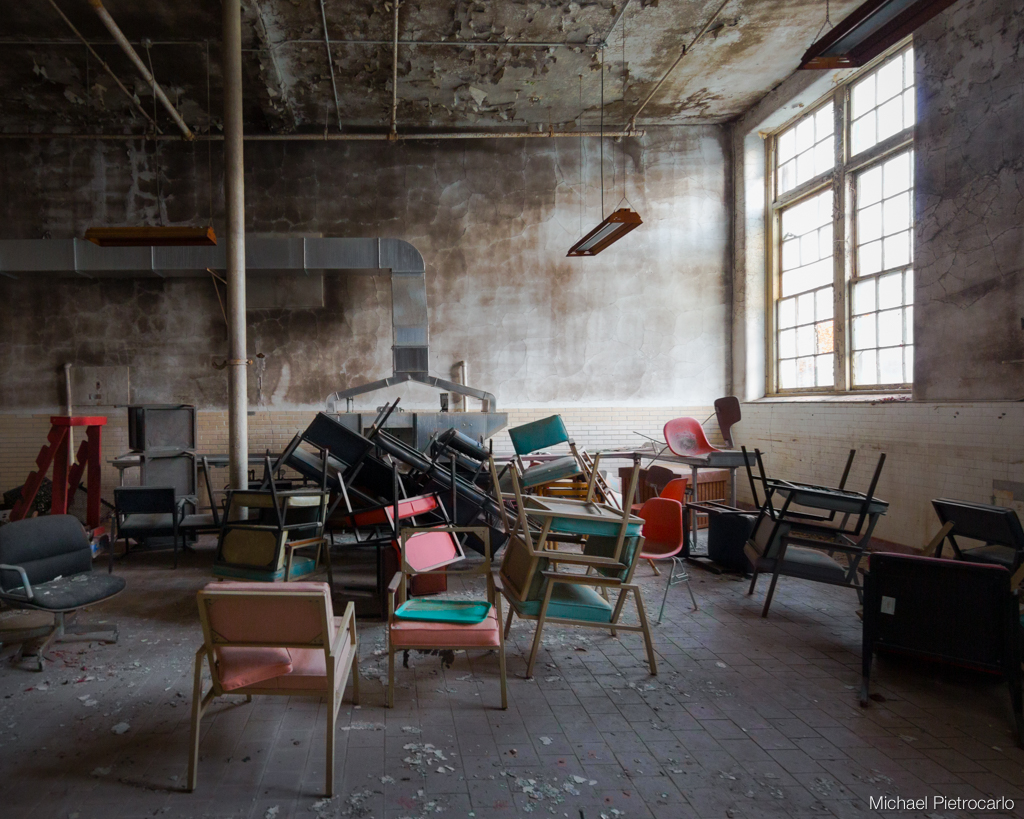
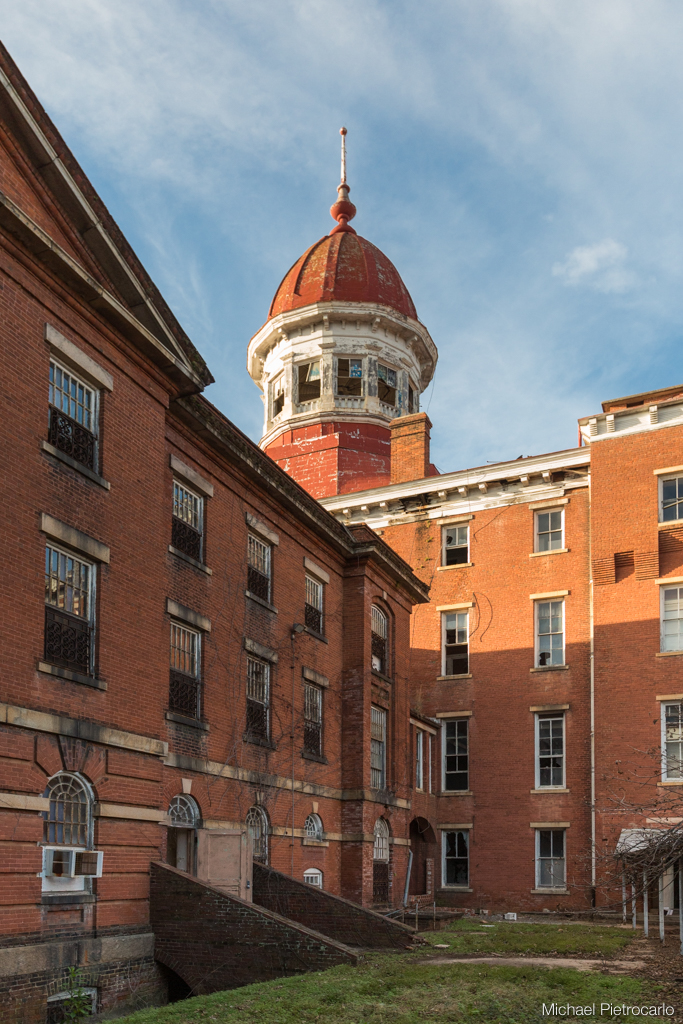
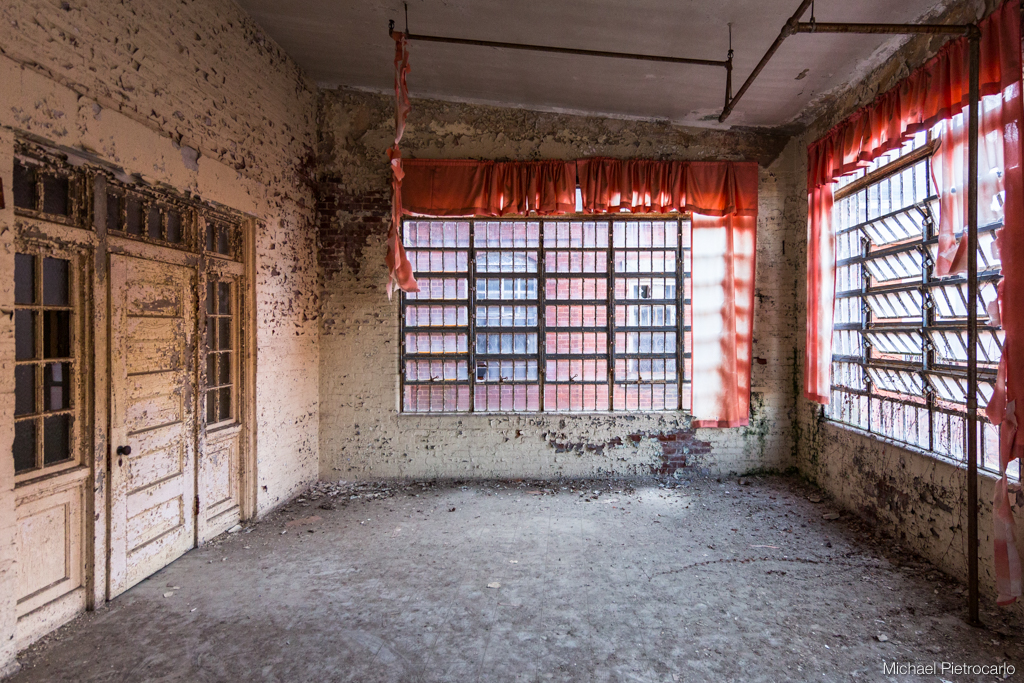
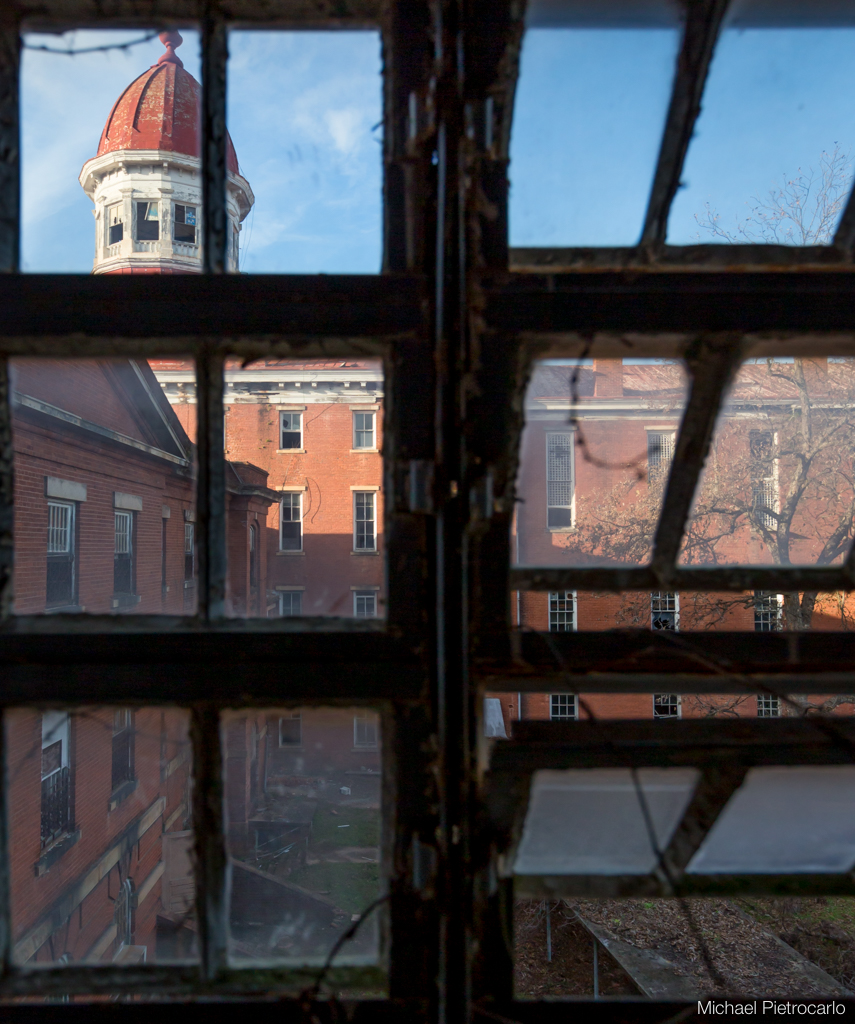
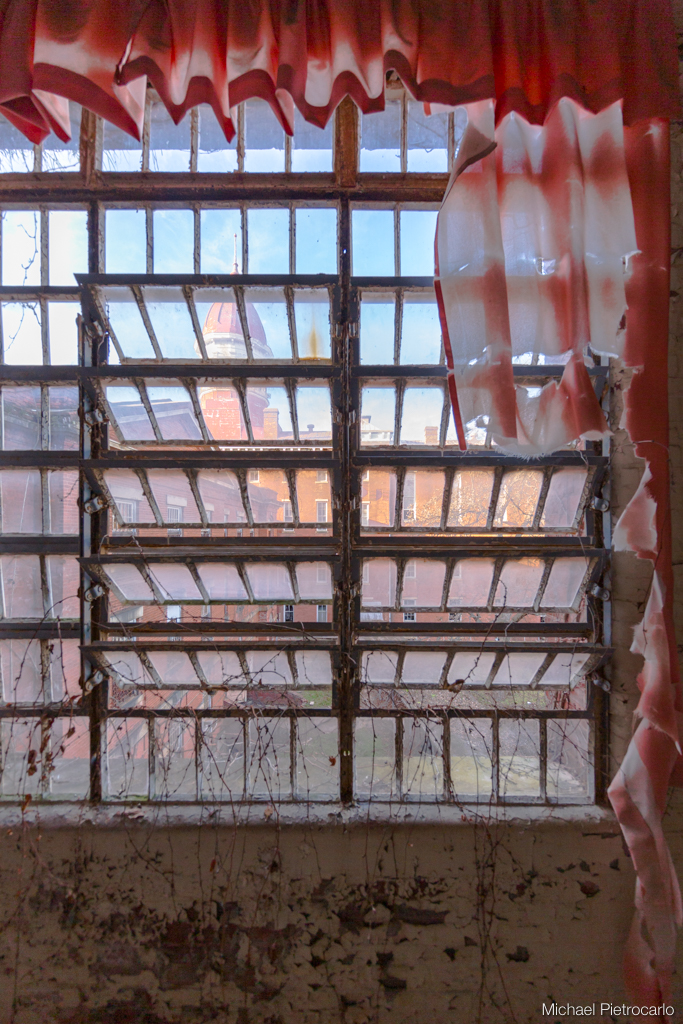
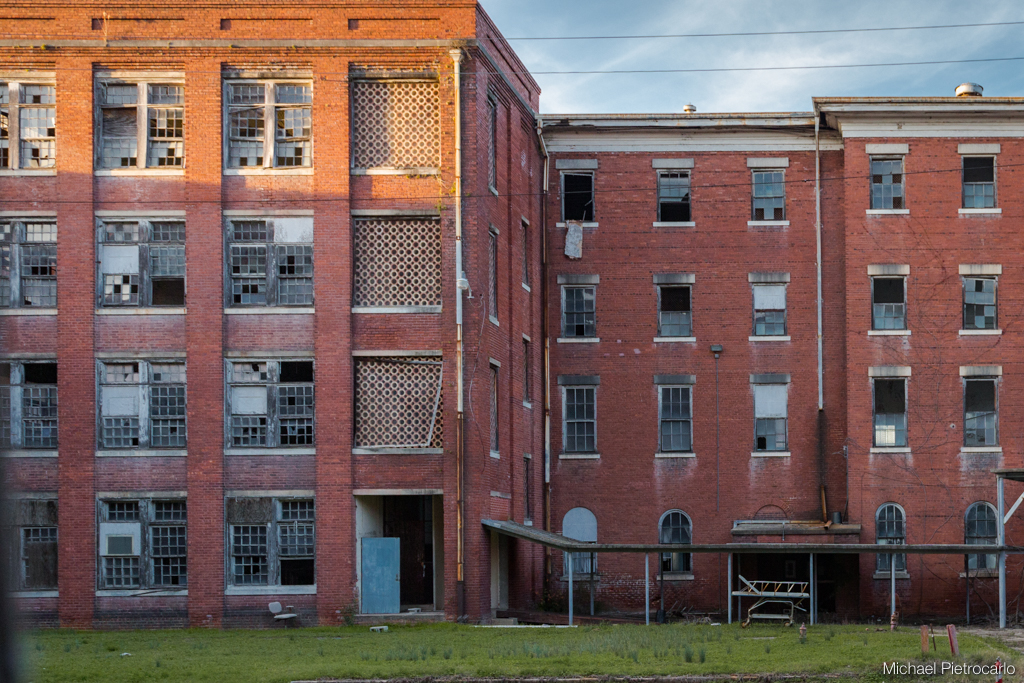
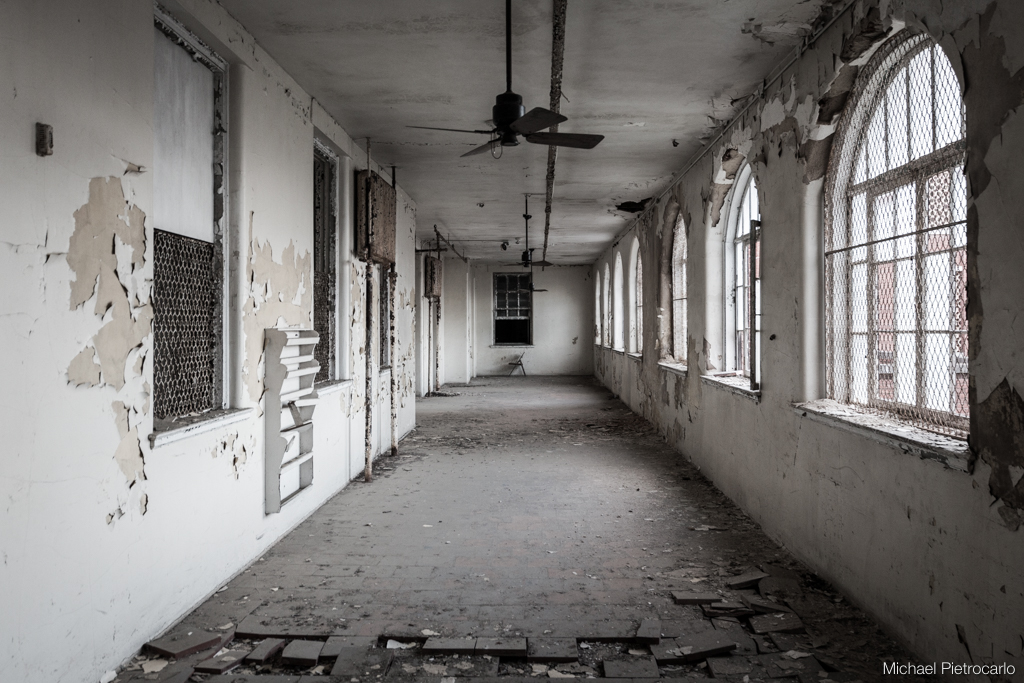
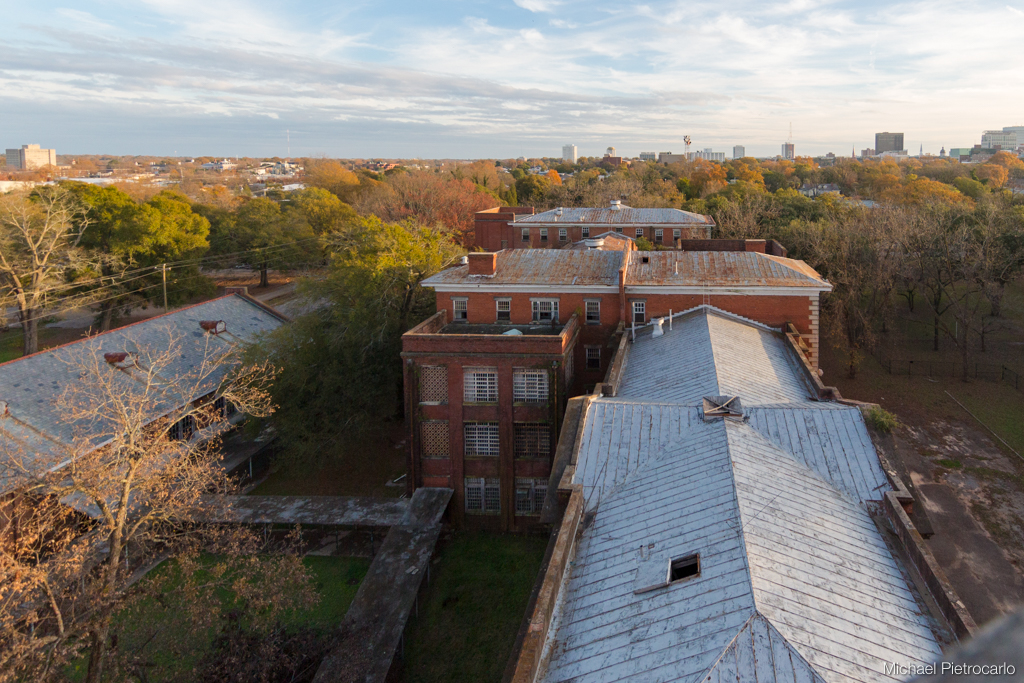
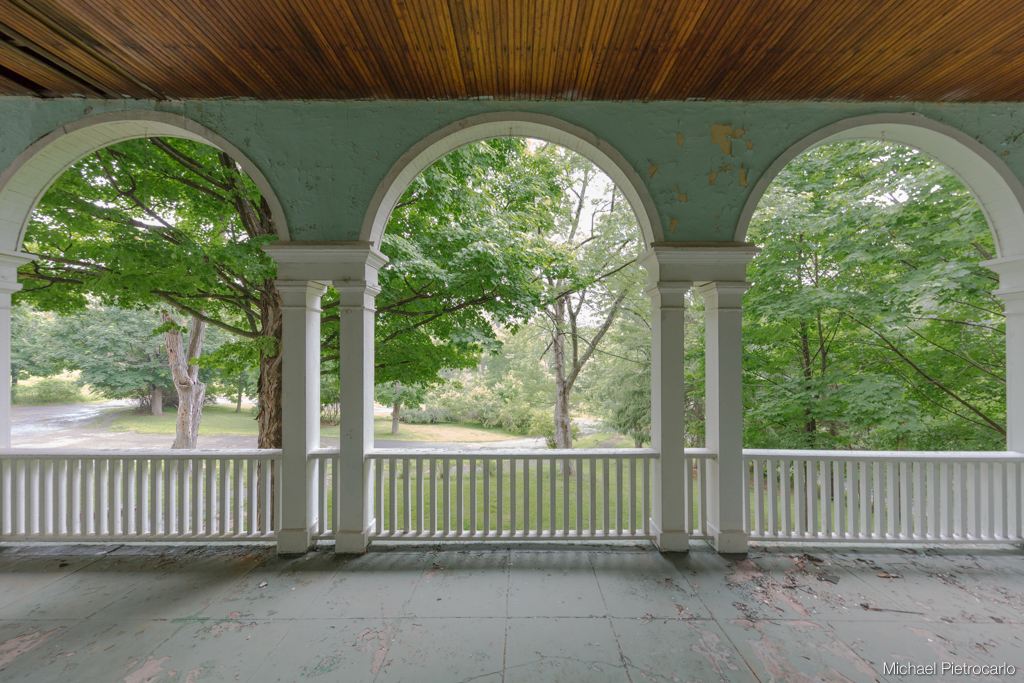
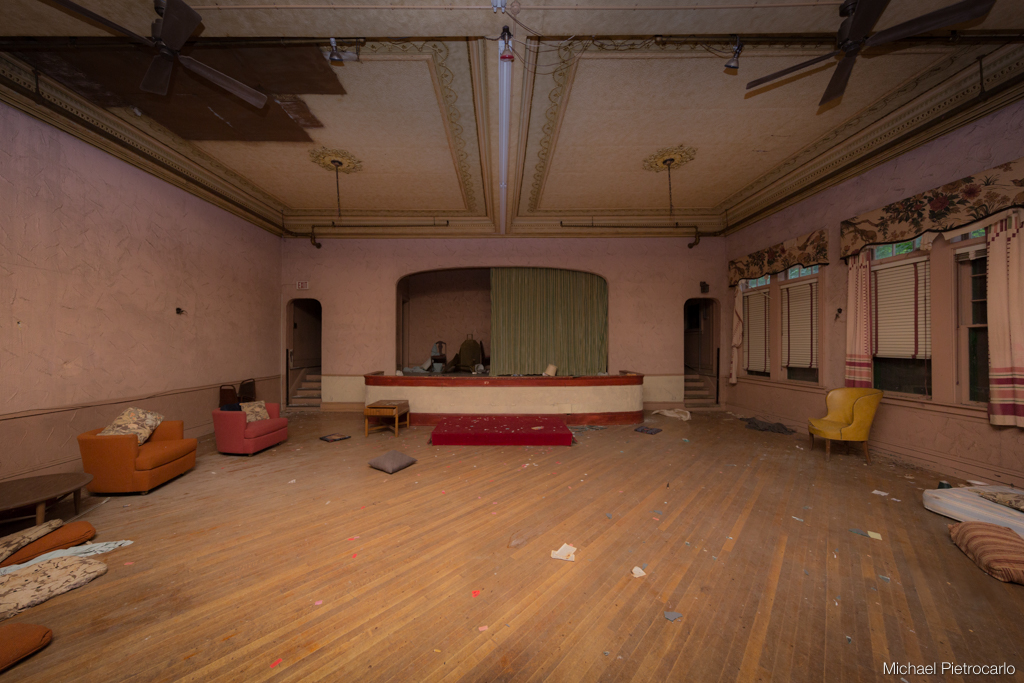
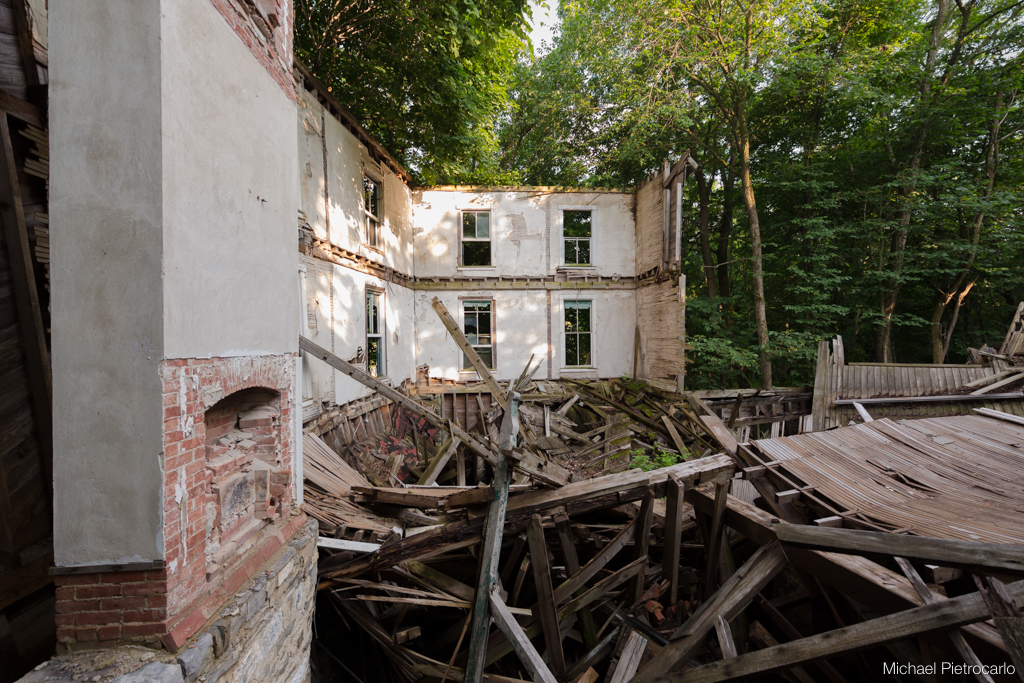
Opened in 1870, the London Asylum for the Insane sits amid a beautifully calming wooded landscape. Among its scattered architectural remnants are cottages, a chapel, and the imposing gothic-revival Medical Examination Building.
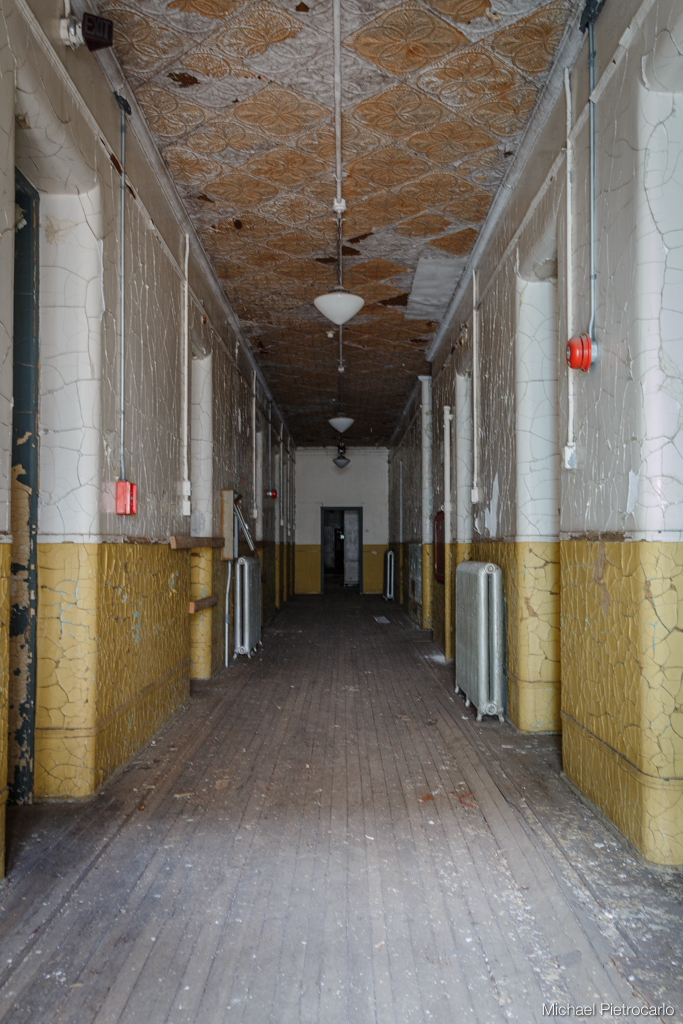
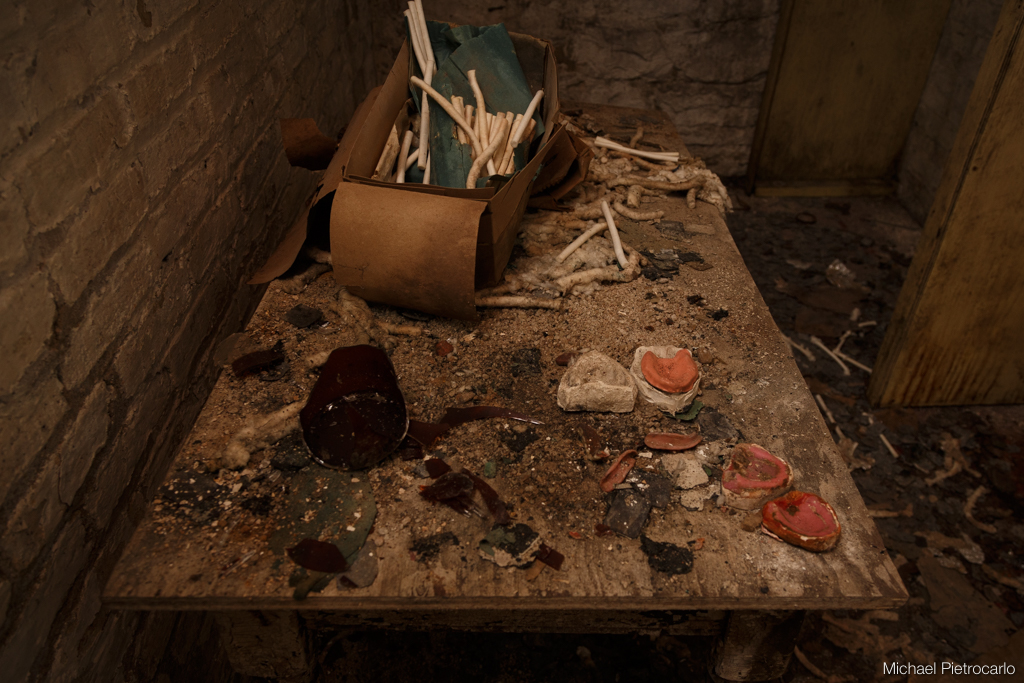
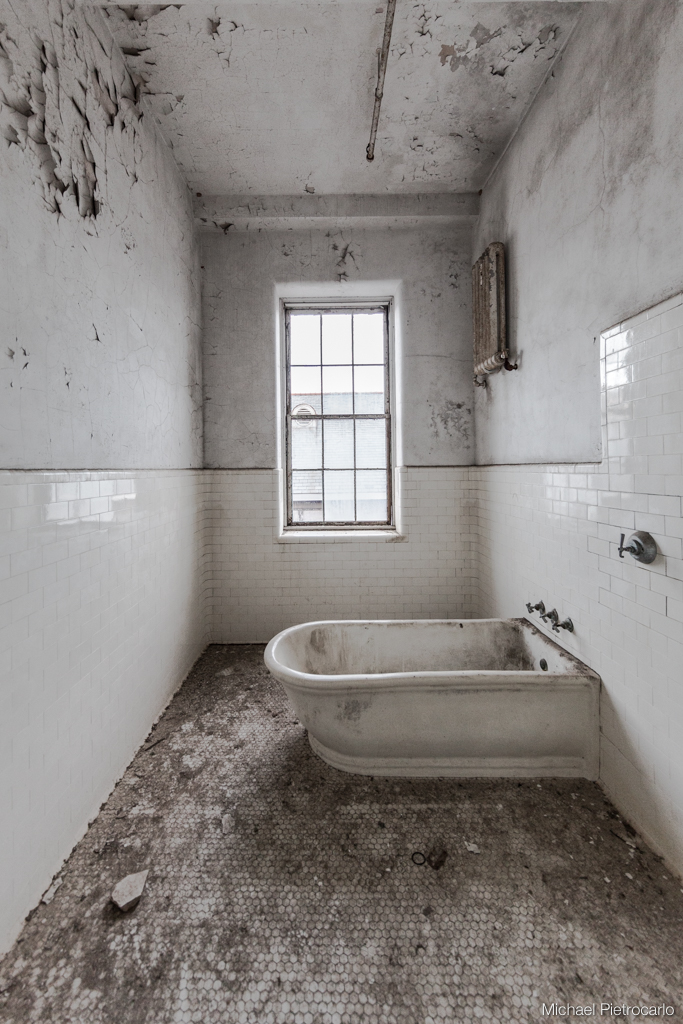
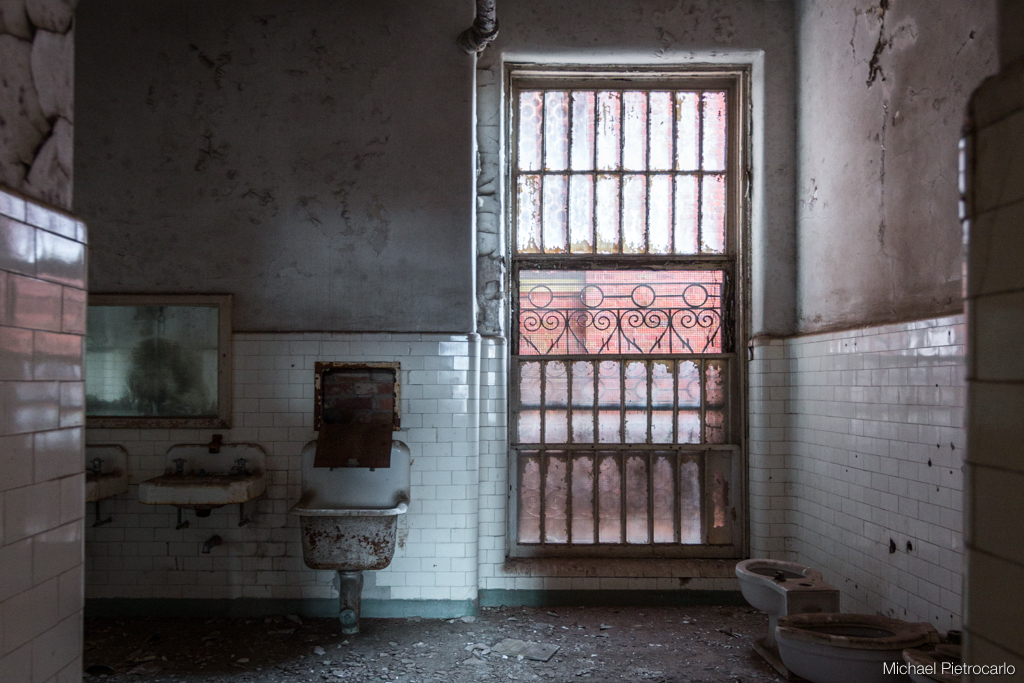
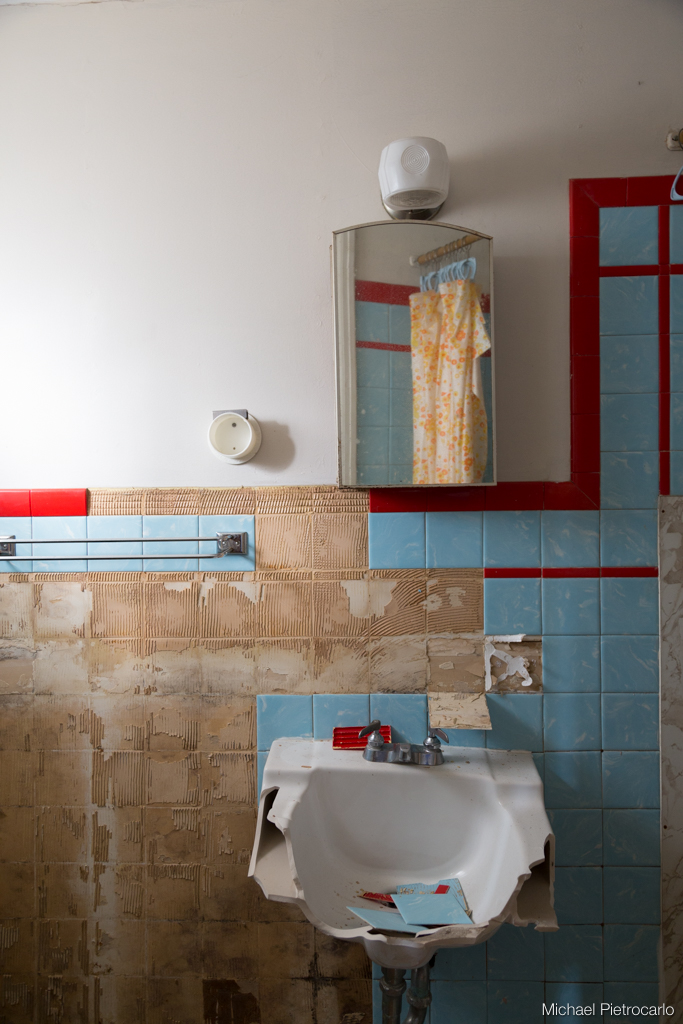
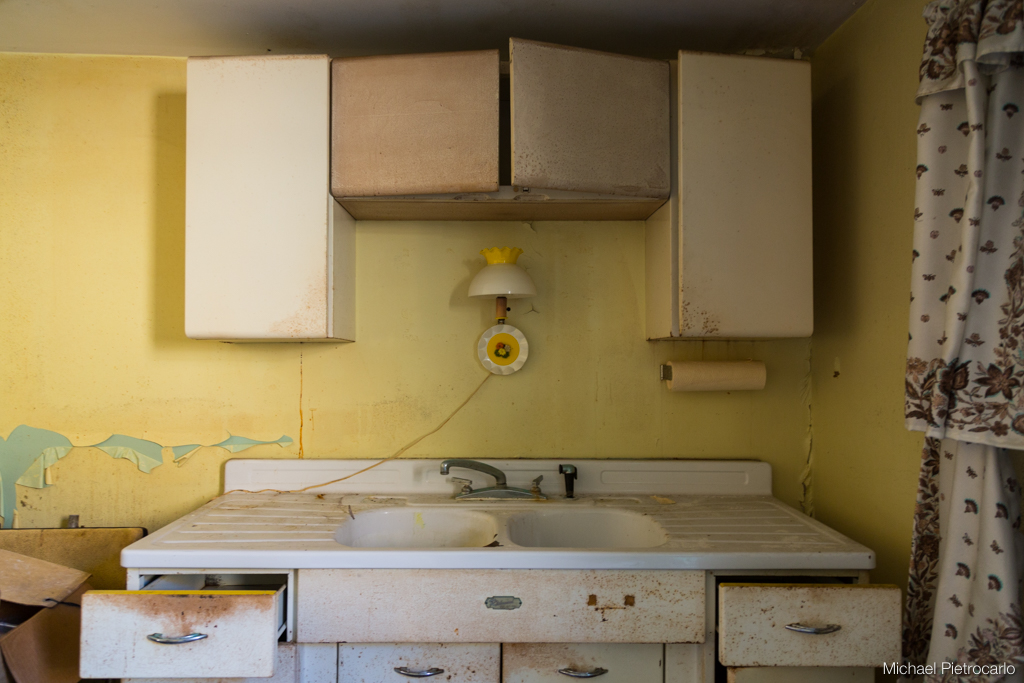
Advanced for its 1903 completion, the medical facilities boasted skylights, solaria, dental care, and isolated dorms. Hydrotherapy was offered as a forward-looking treatment alongside “moral therapy,” a compassionate and humanitarian-based approach. Though the decaying operating theater serves as a pointed reminder of less empathetic methods.
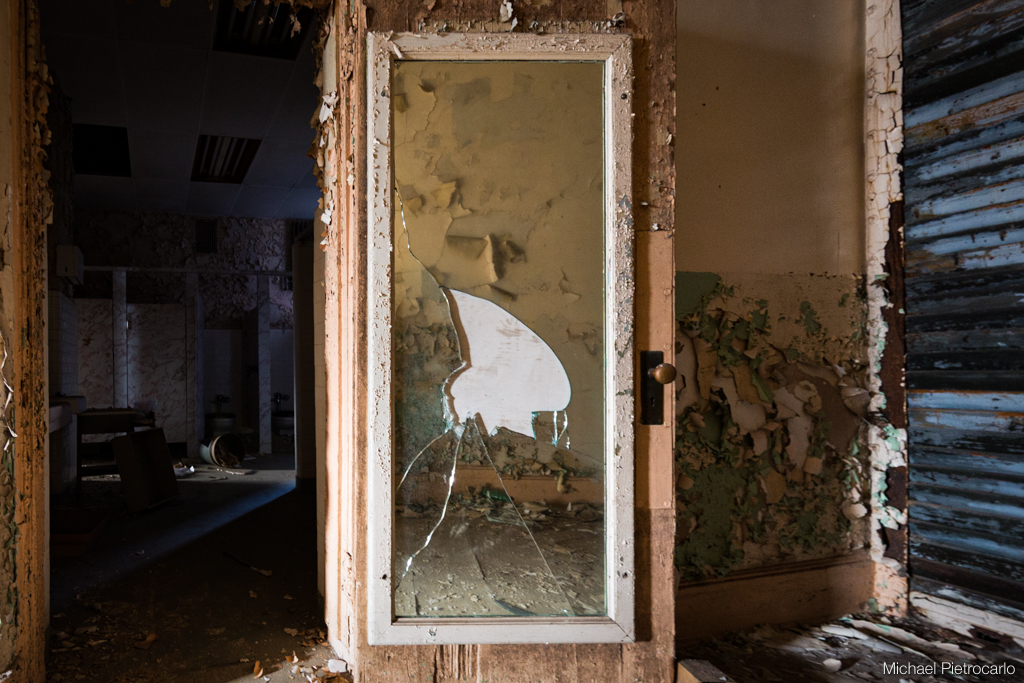
Despite progressive intentions, asyla like London’s are typically seen as nightmare fodder. However these abandonments afford a hopeful perspective, where architectural form followed the function of the most innovative and compassionate patient care available—at the time.
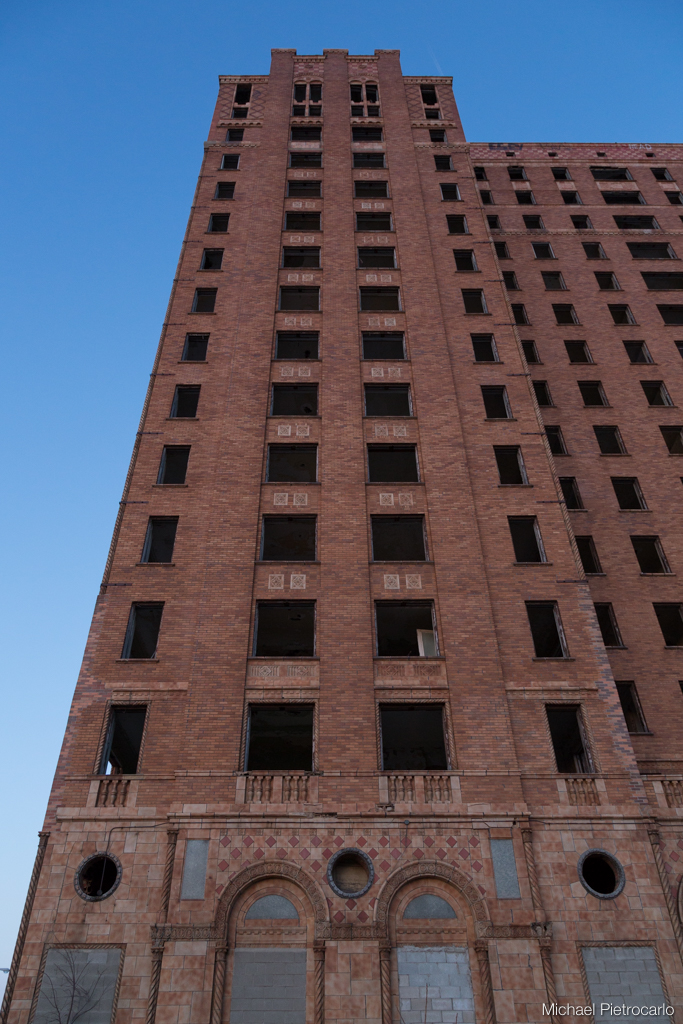
- Medical Bldg
- Patience
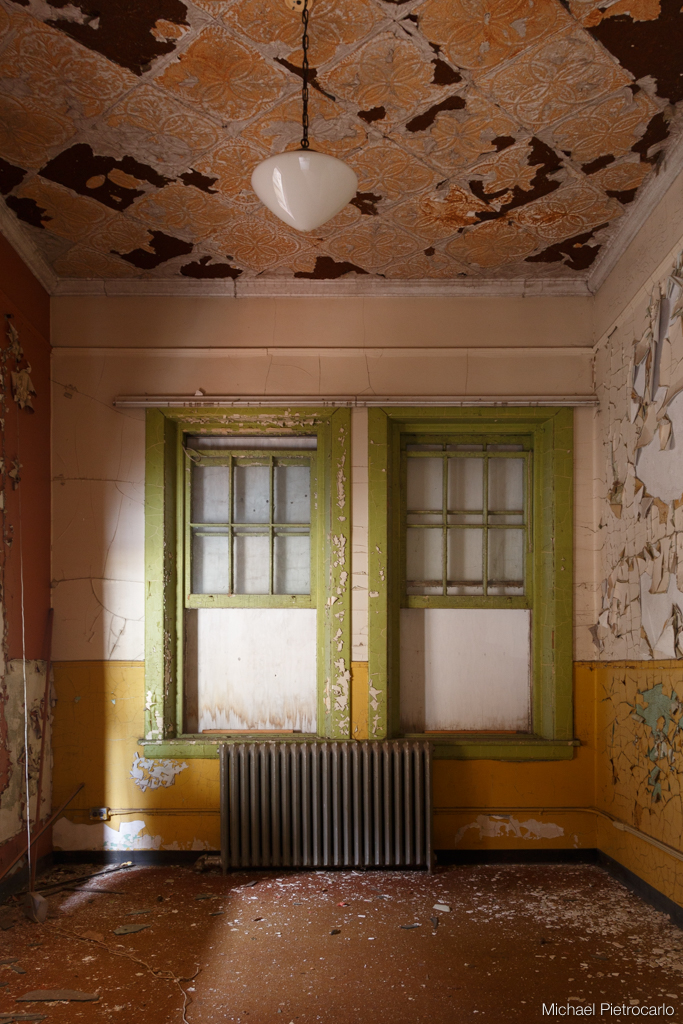
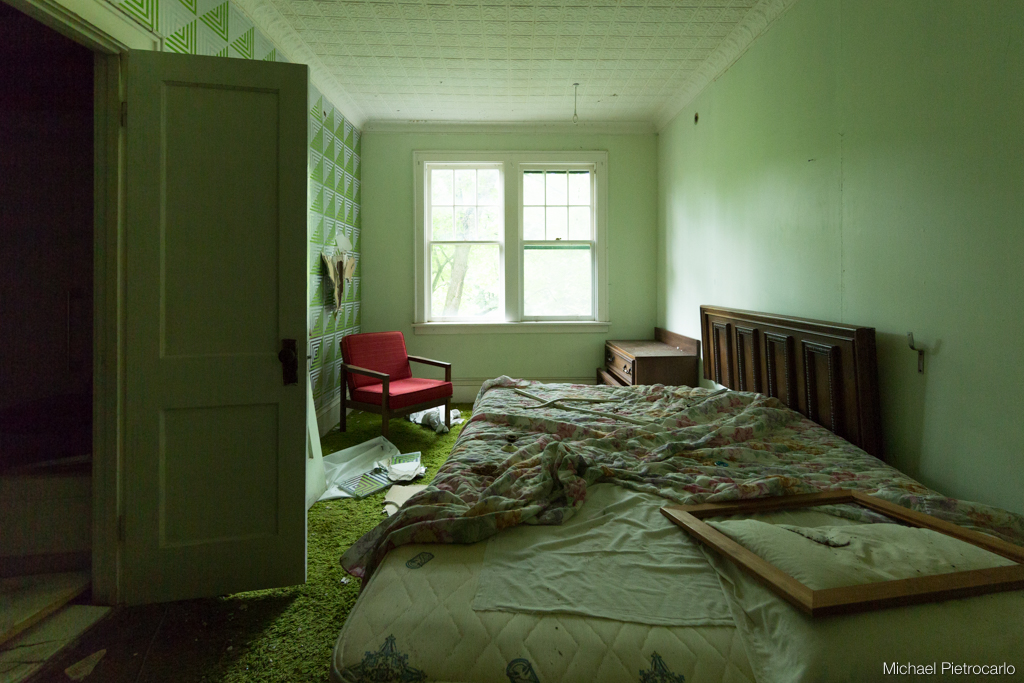
- Pink/Green
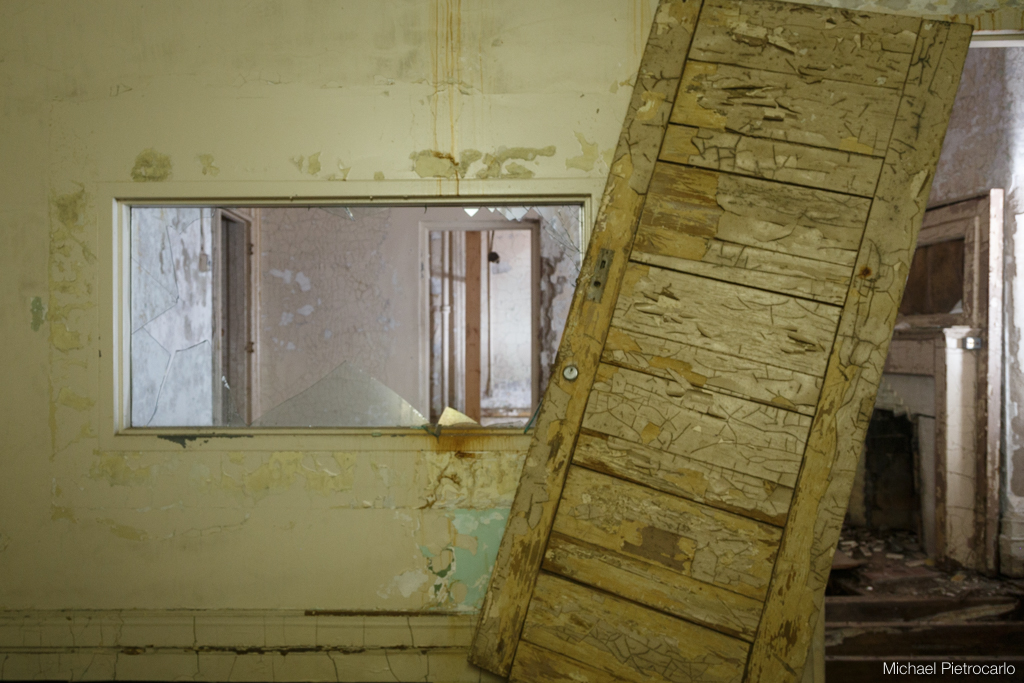
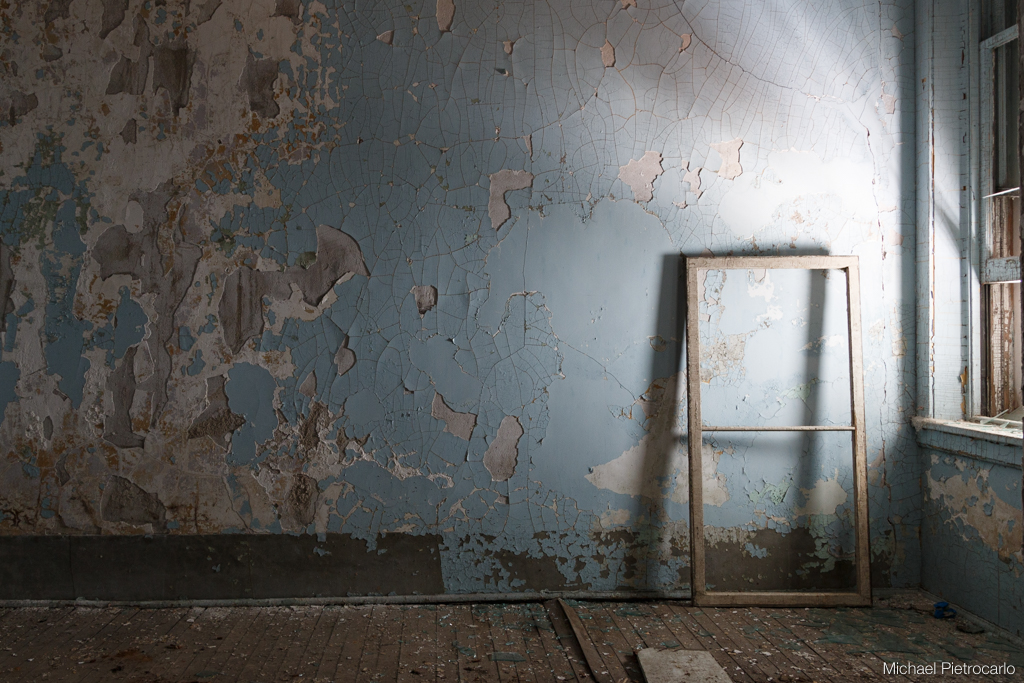
- Off the Hinges
- Unframed
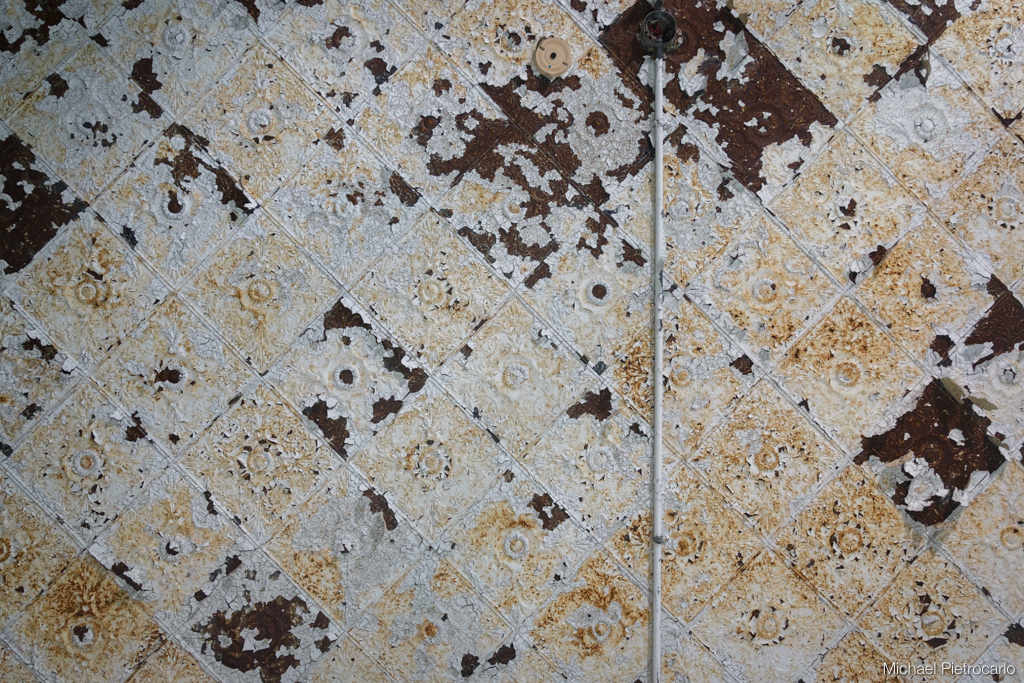
- Tin Roof, Rusted
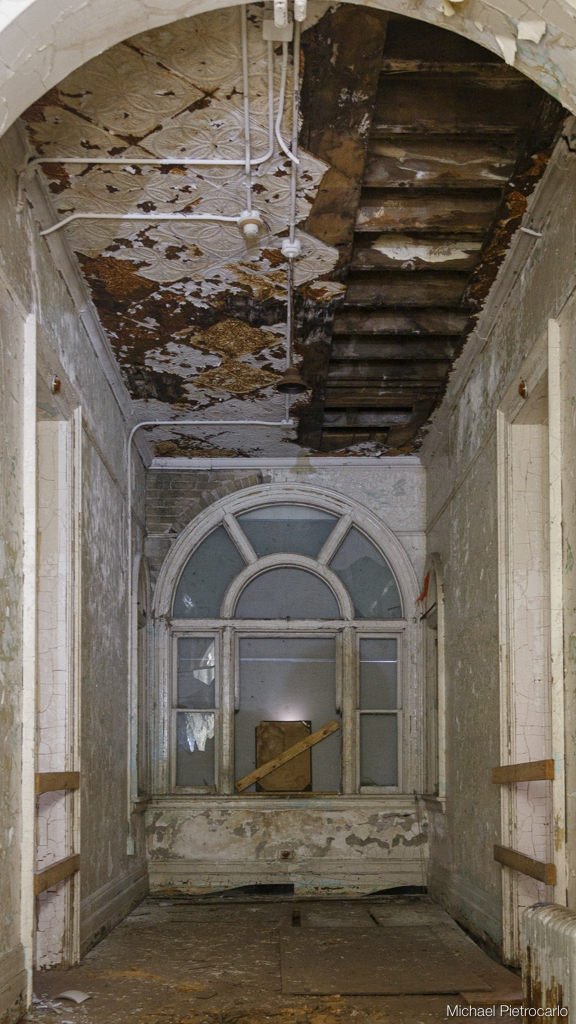
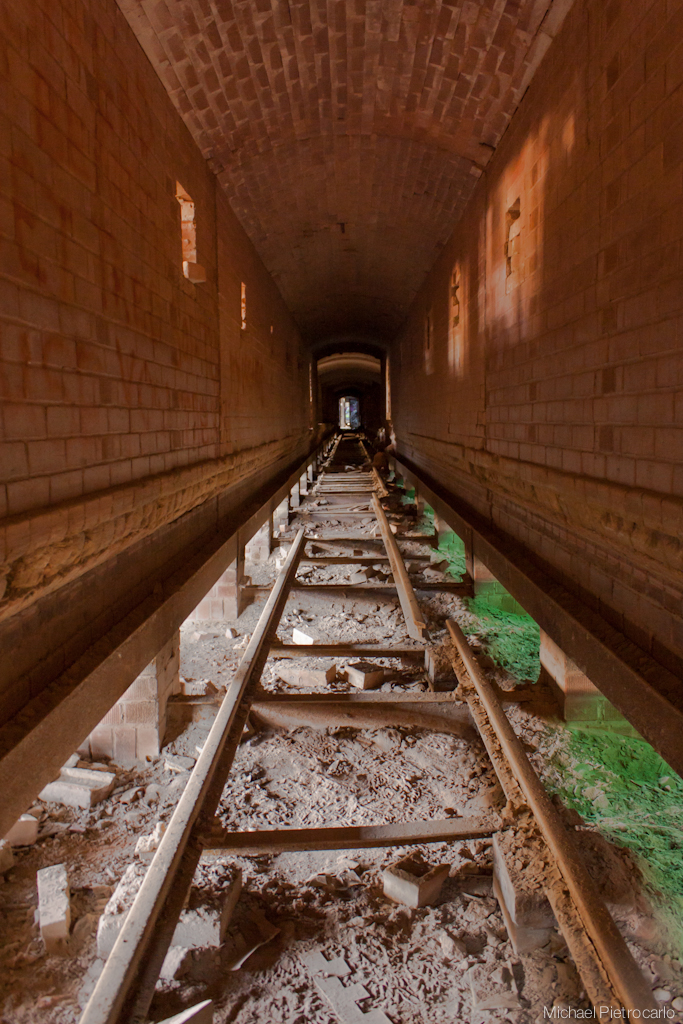
- Arched Corridor
- Operating Theatre
- Operating Theatre 2
- Pixelization
- OR
- Rm 215
- Scrub In
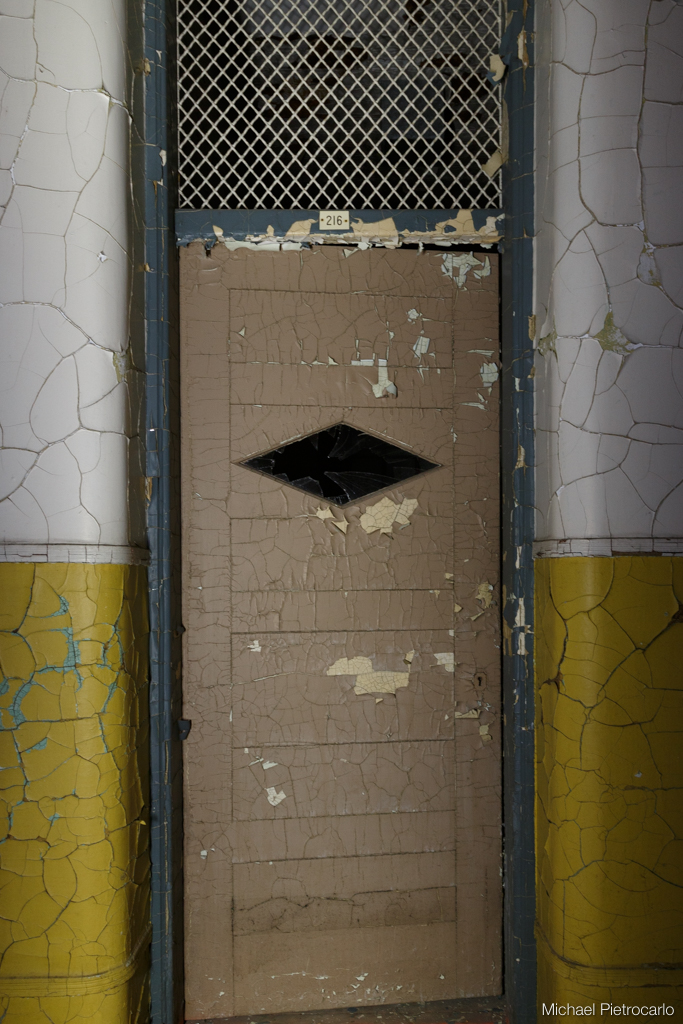
- Rm 216
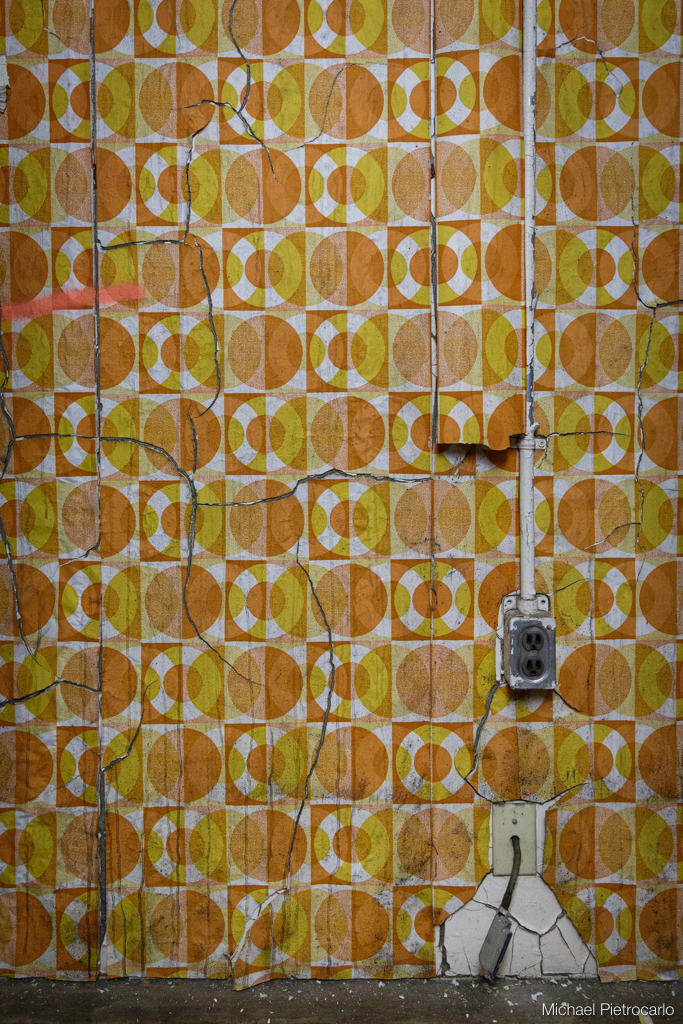
- Pop Wall
- Warmth
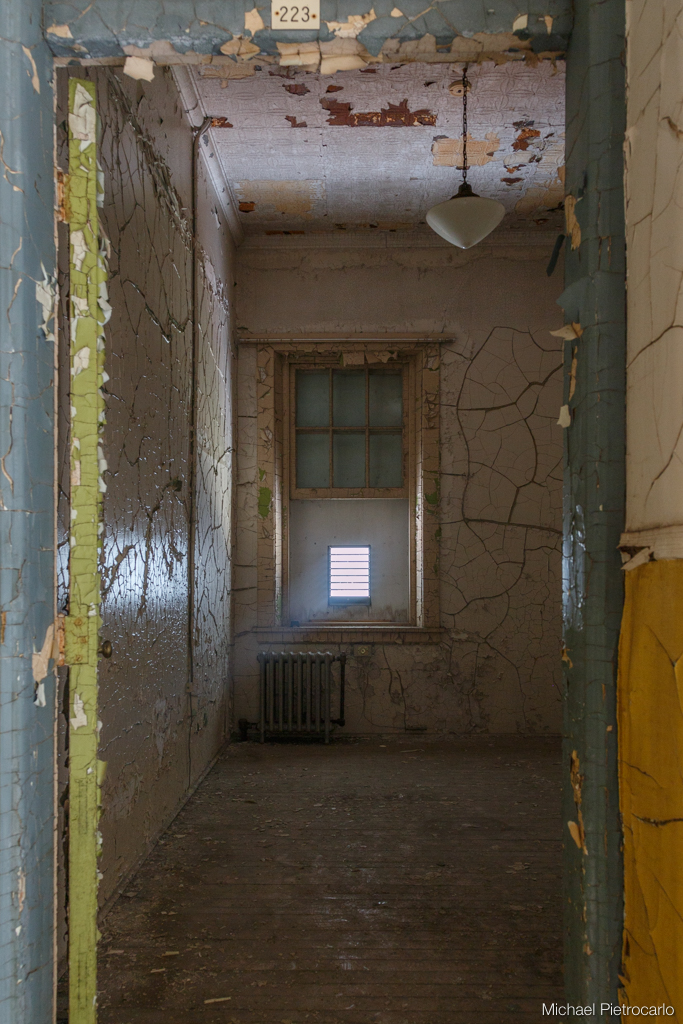
- Rm 223
- Tube
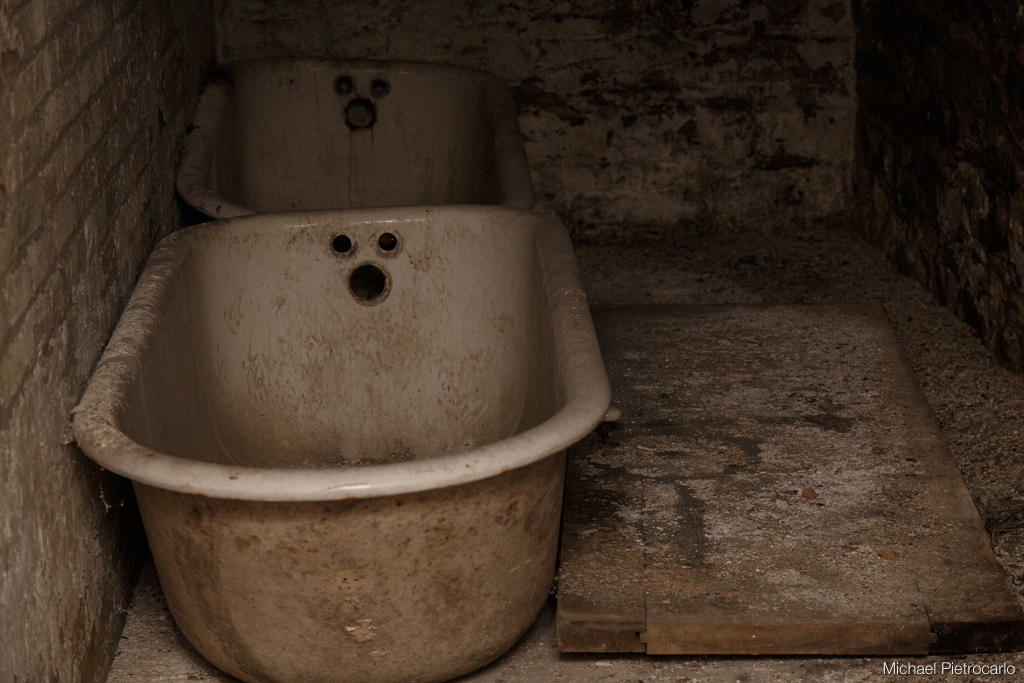
- Tub
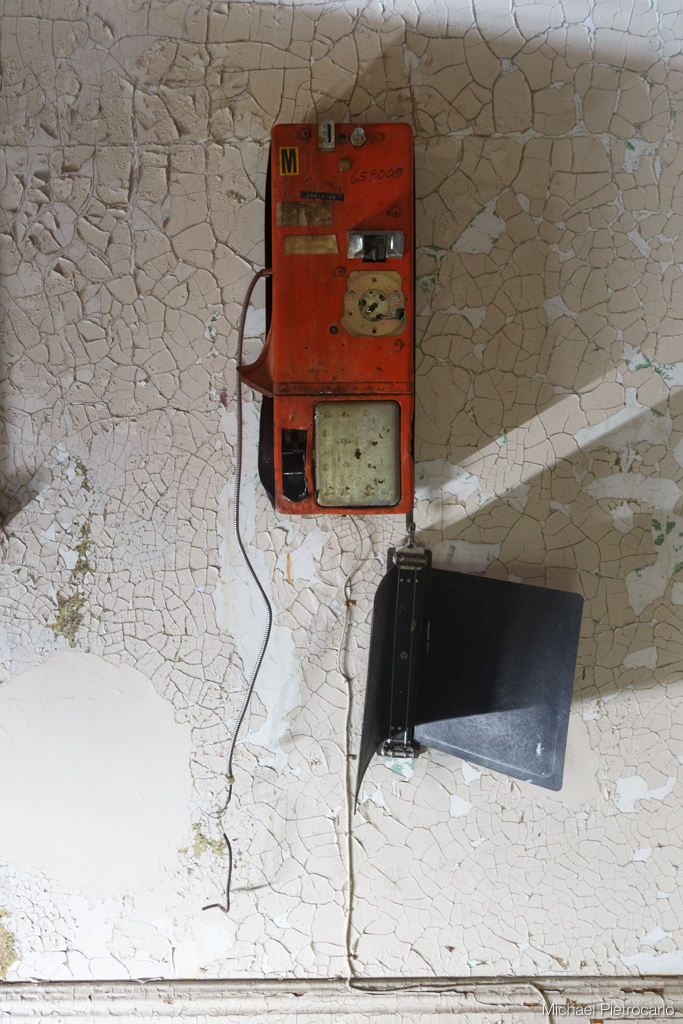
- One Call
- In the Dark
- View of the Atrium
- Teeth
- Bldg Y
- Bldg W
- Chapel
- Hapel of Hope
- Bldg V
- Broadside
- Kirkbride Knew Better
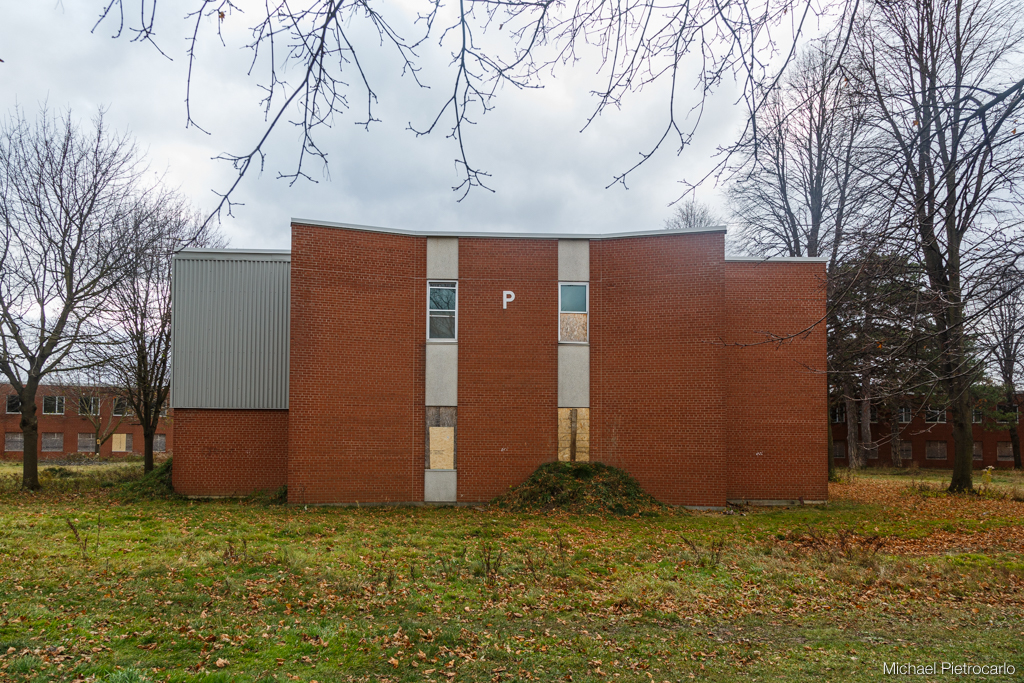
- Bldg P
- Bricked
- Boarded Up
- https://www.michaelpietrocarlo.com/wp-content/uploads/Boarded-Up.jpg
-
SC Lunatic Asylum
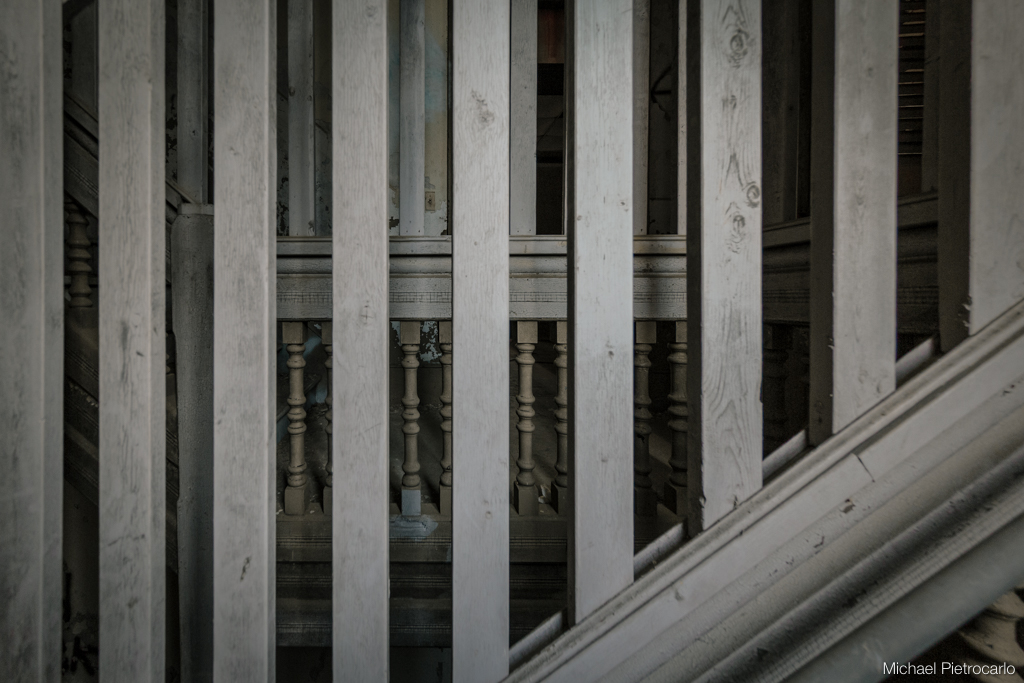
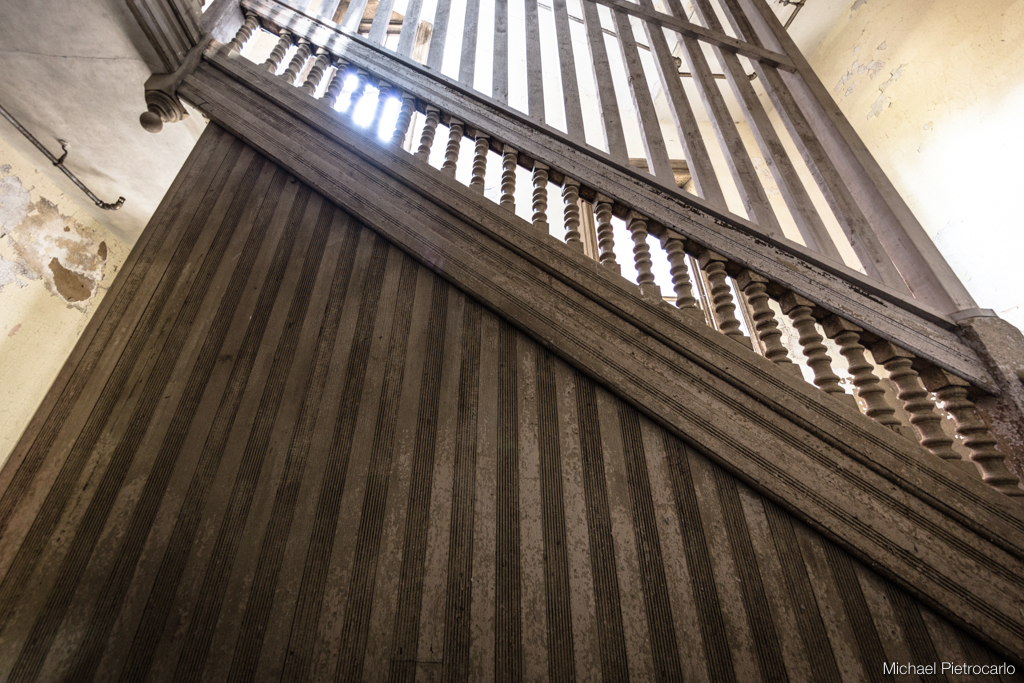
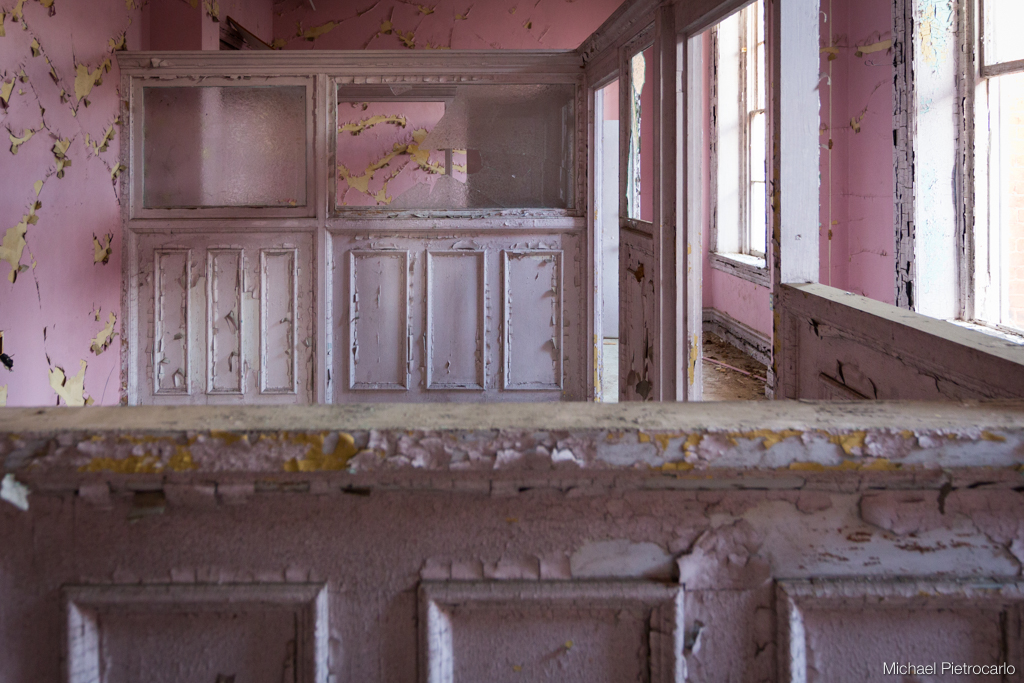
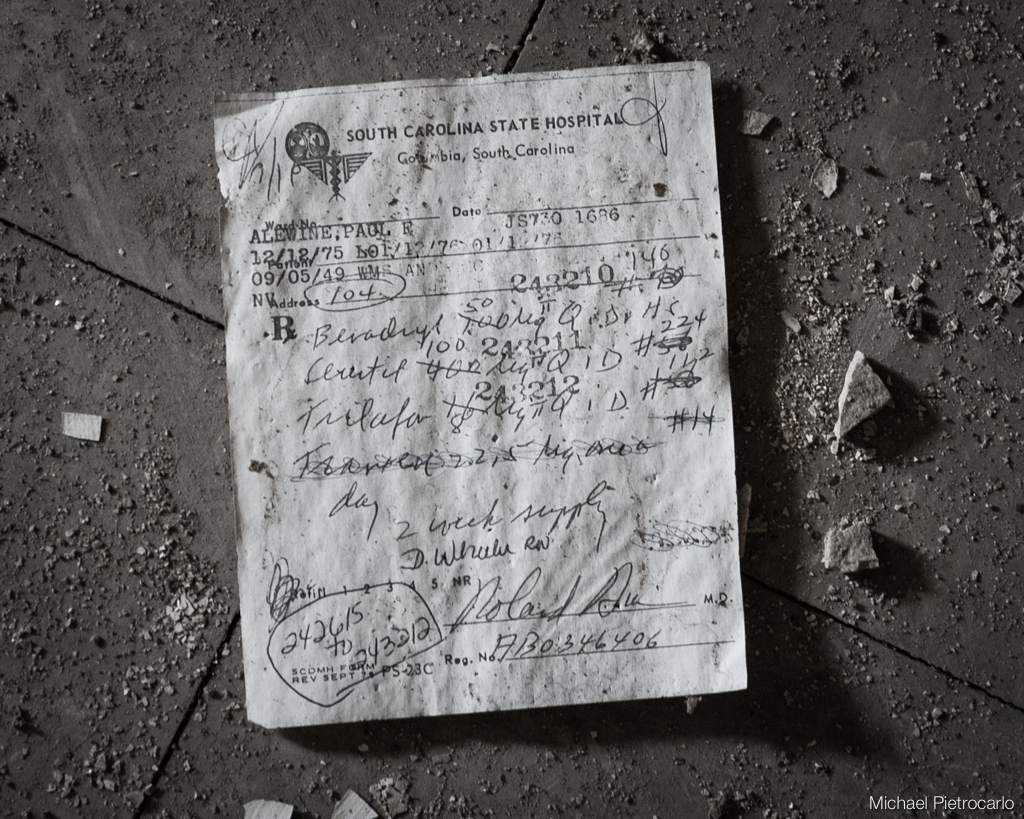
Opened in 1827, the South Carolina Lunatic Asylum was a progressive institution (for its time). The second psychiatric hospital in U.S. history saw patients for 169 years and survived the Civil War; its stories woven into local lore.
The iconic dome of the Babcock Building, constructed in 1857, was a fixture of Colombia's skyline until a recent fire destroyed the Italian Renaissance Revival structure. Intended for preservation and adaptive reuse as luxury housing, a part of the past is now lost forever.
Though some say voices can still be heard...
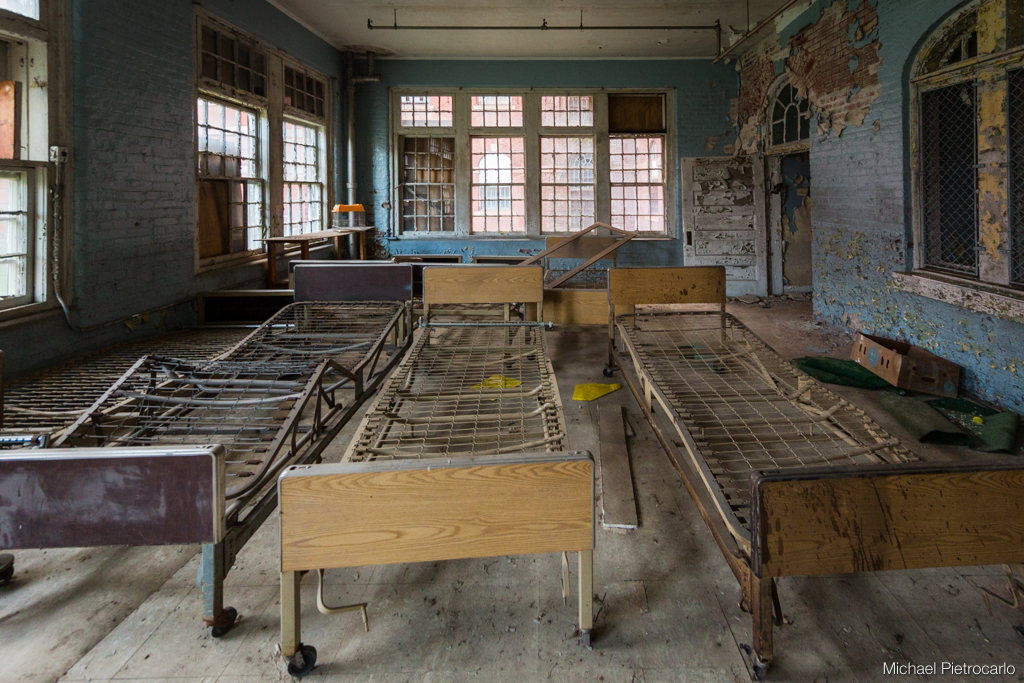
- Babcock Beds
- Shutters
- Just Lie Down
- Shine On
- What Hath Faith Wrought
- Lonely Companion
- Some Privacy
- Bleach
- Instruction
- Patient View
- Home
- Wash it Away
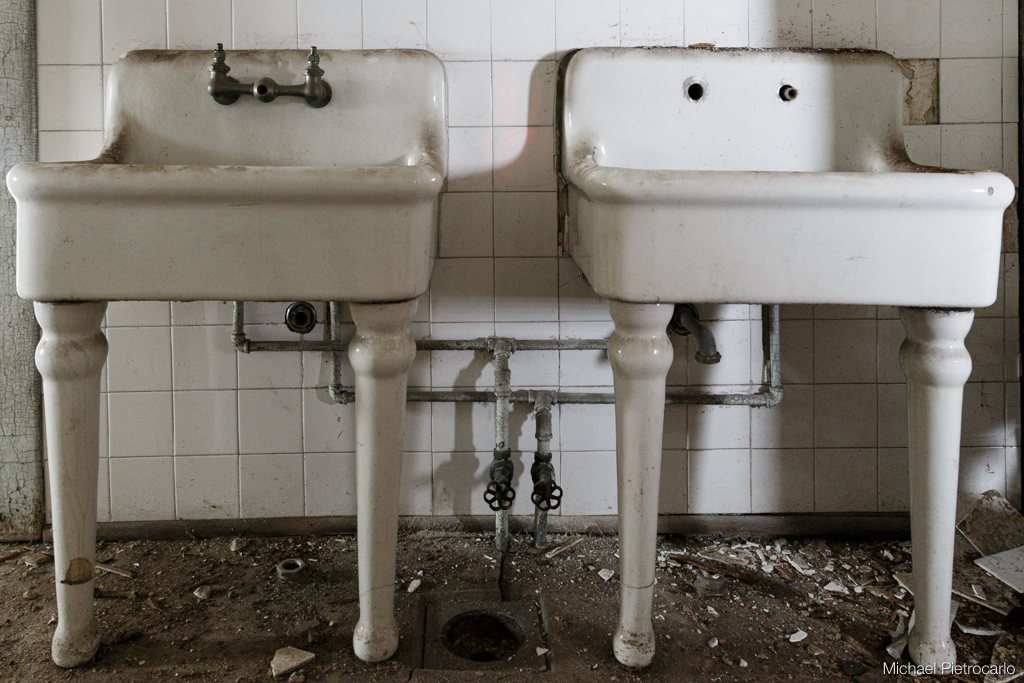
- Porcelan
- No Reflection
- Blue Room
- Lonely Corridor
- Climbing up the Furniture
- Italian Renaissance Revival
- Texture & Light
- The Dream of Samuel Sloan
- Faded Color
- Portals
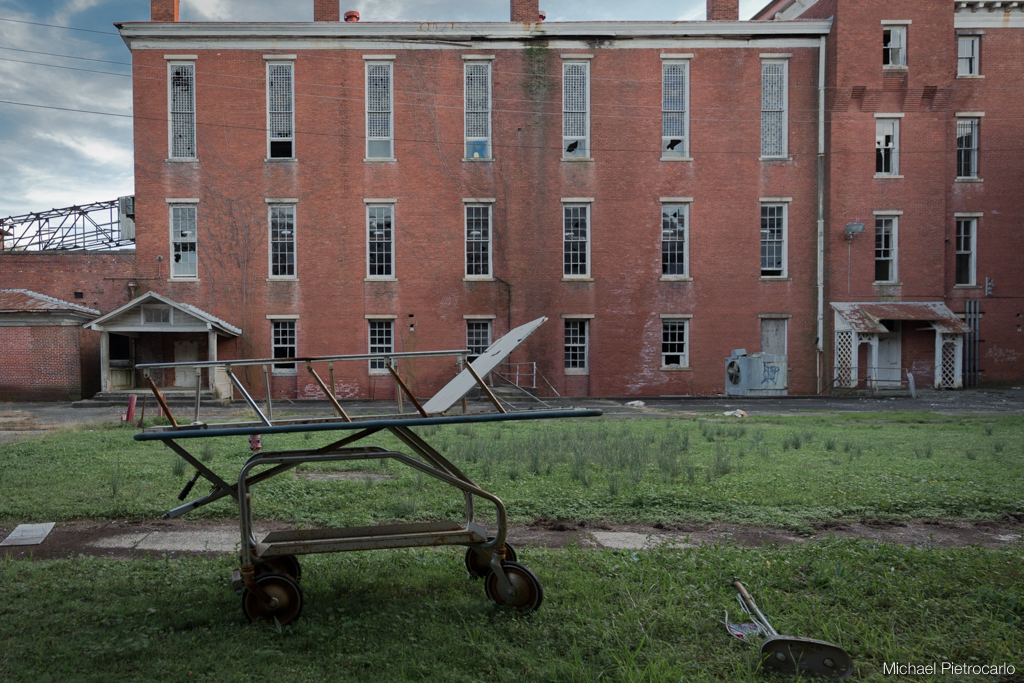
- Courtyard Stretcher
- 1828-1996
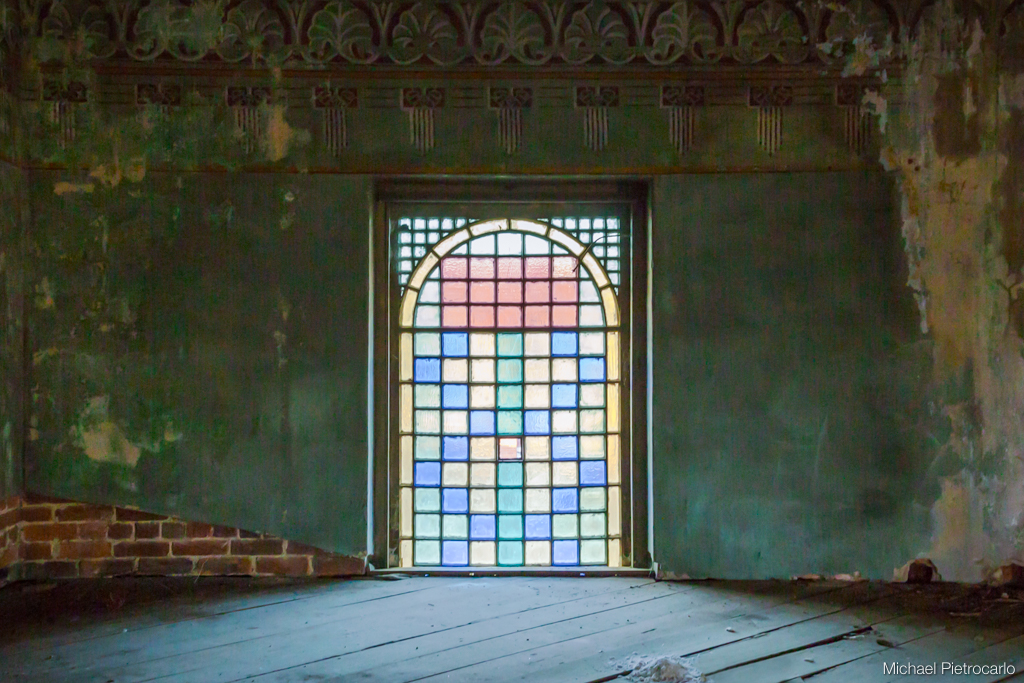
- World of Color Outside
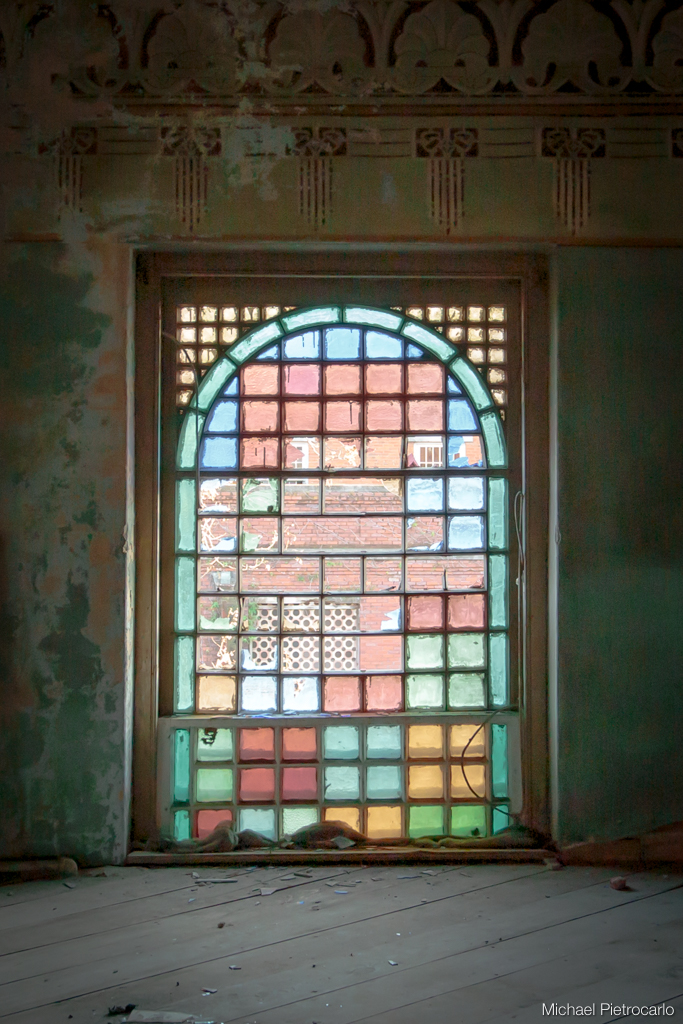
- Color Block
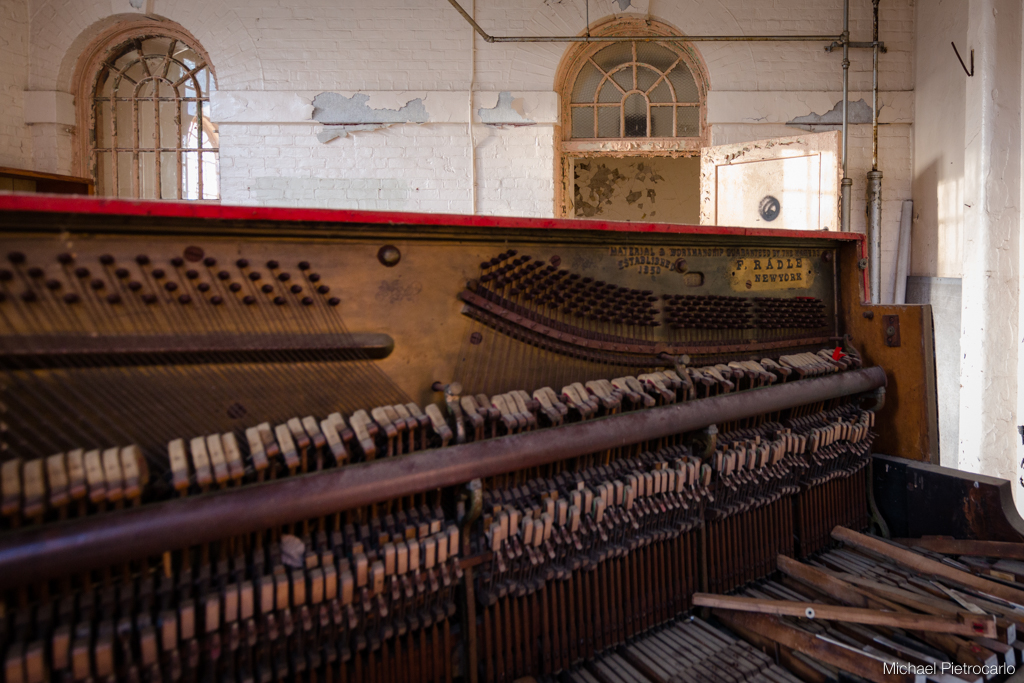
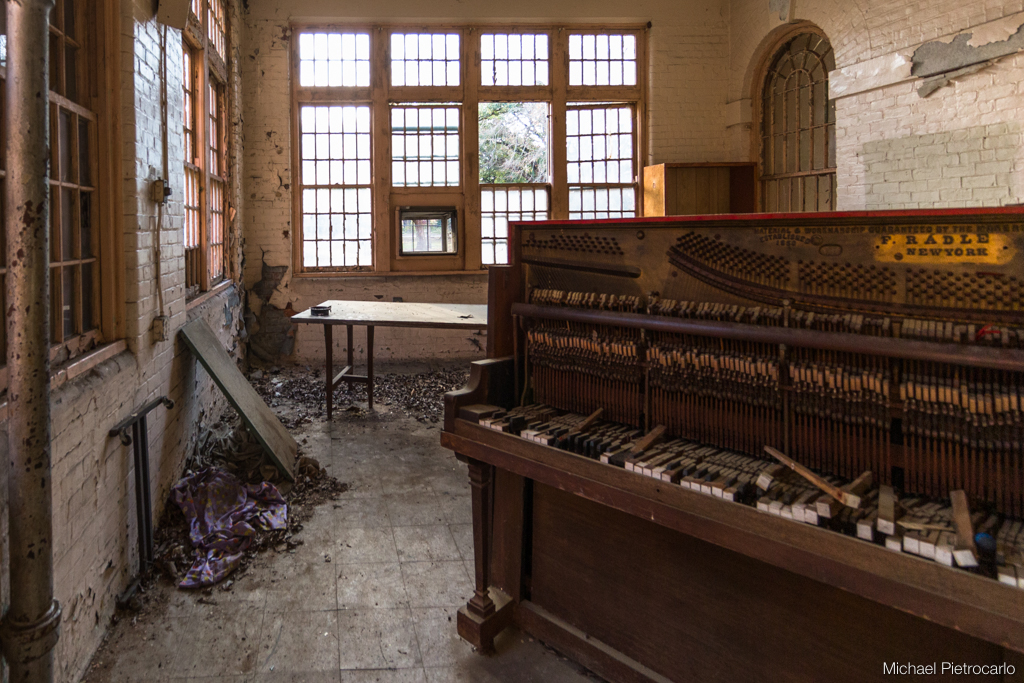
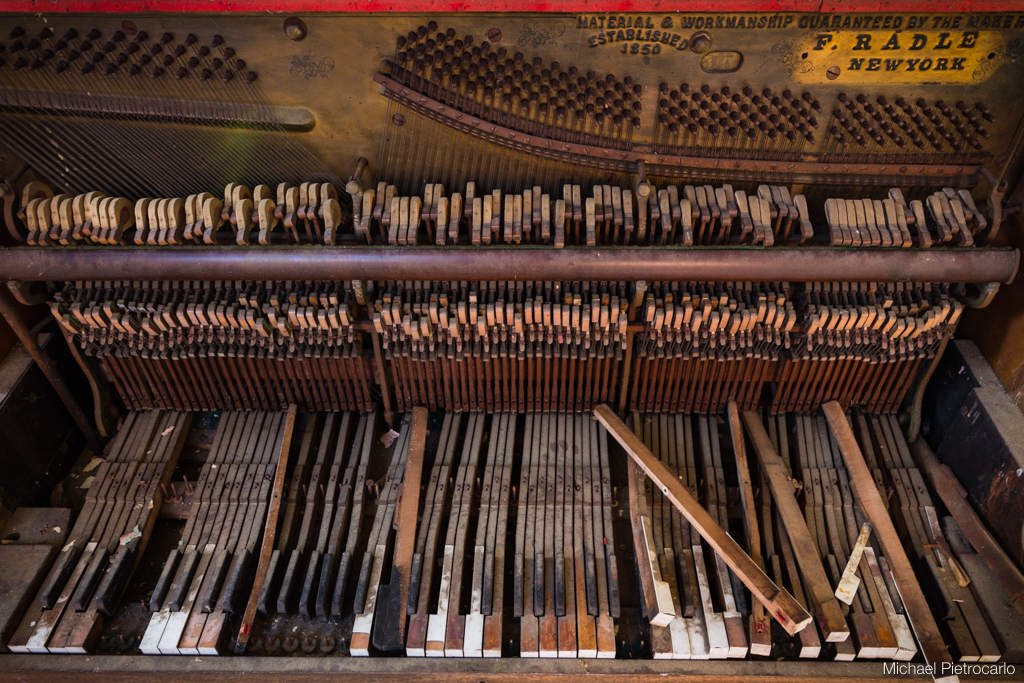
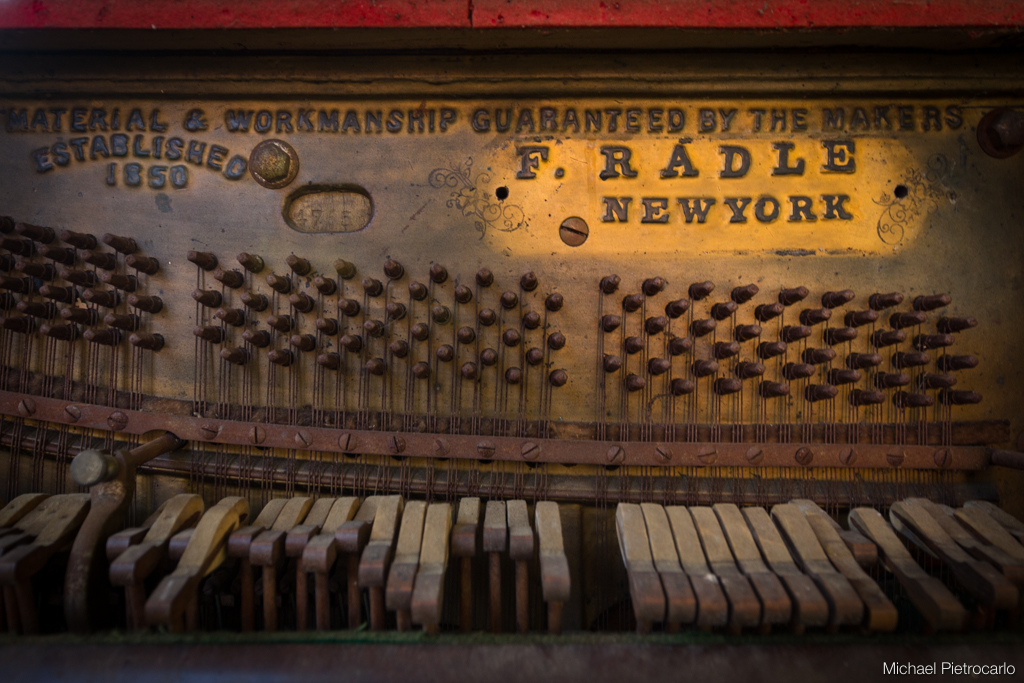
- F. Radle
- Music Room
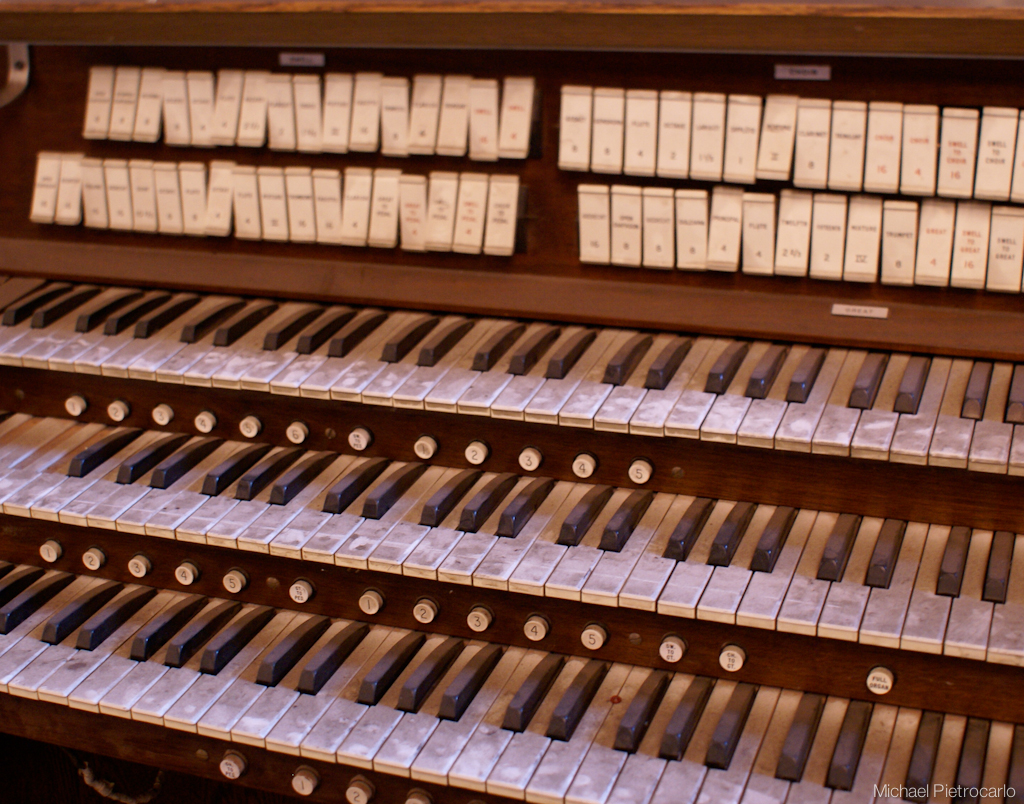
- Broken Keys
- Workmanship Guaranteed
- South Carolina Lunatic Asylum
- Columns
- Pink Room
- Rx
- Sterile
- Zebra
- In the Babcock Rotunda
- View from the Asylum
-
Ghosts of Toronto Past
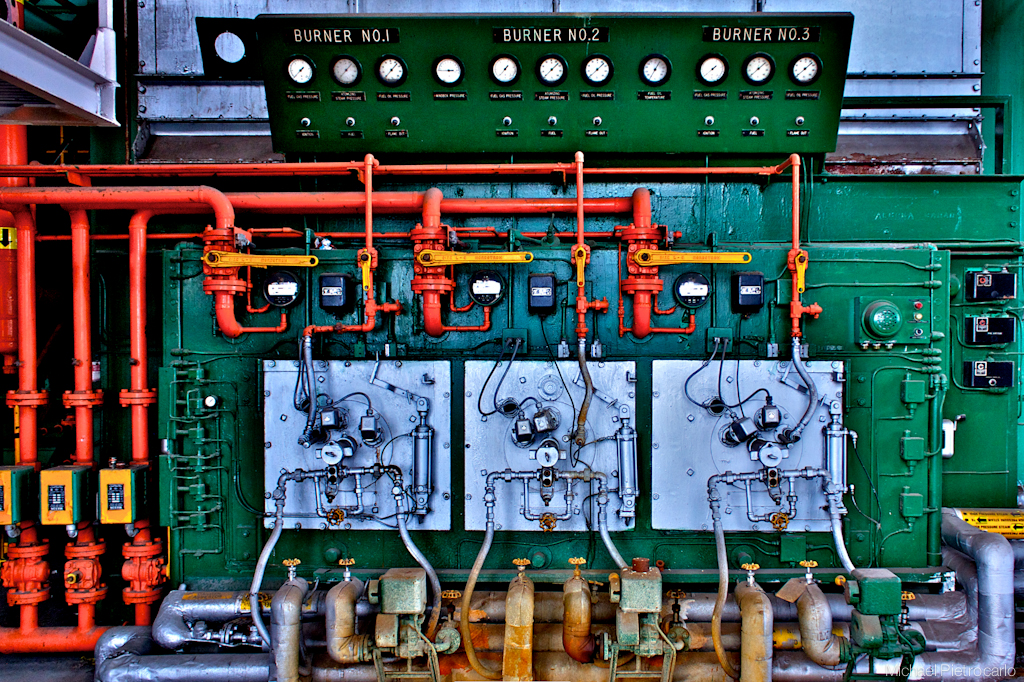
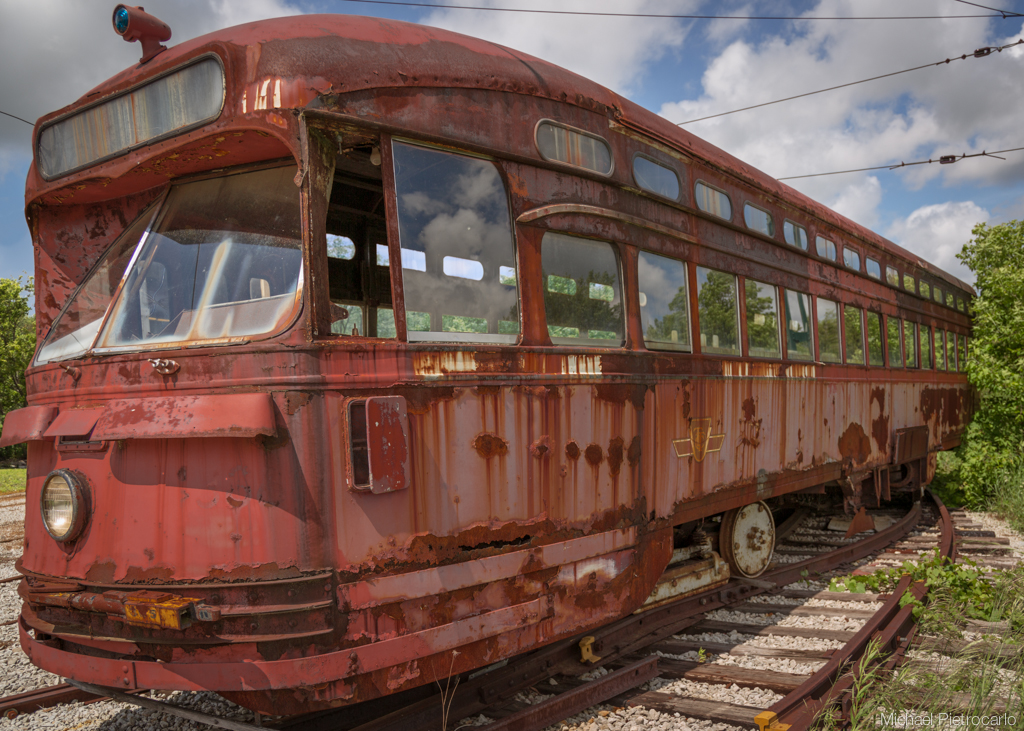
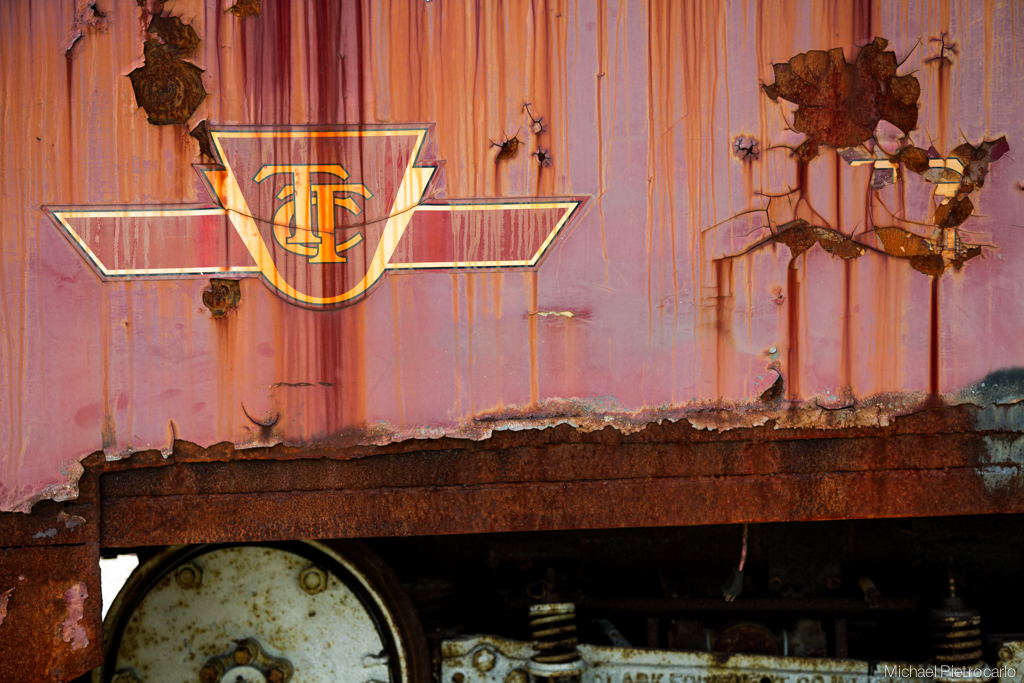
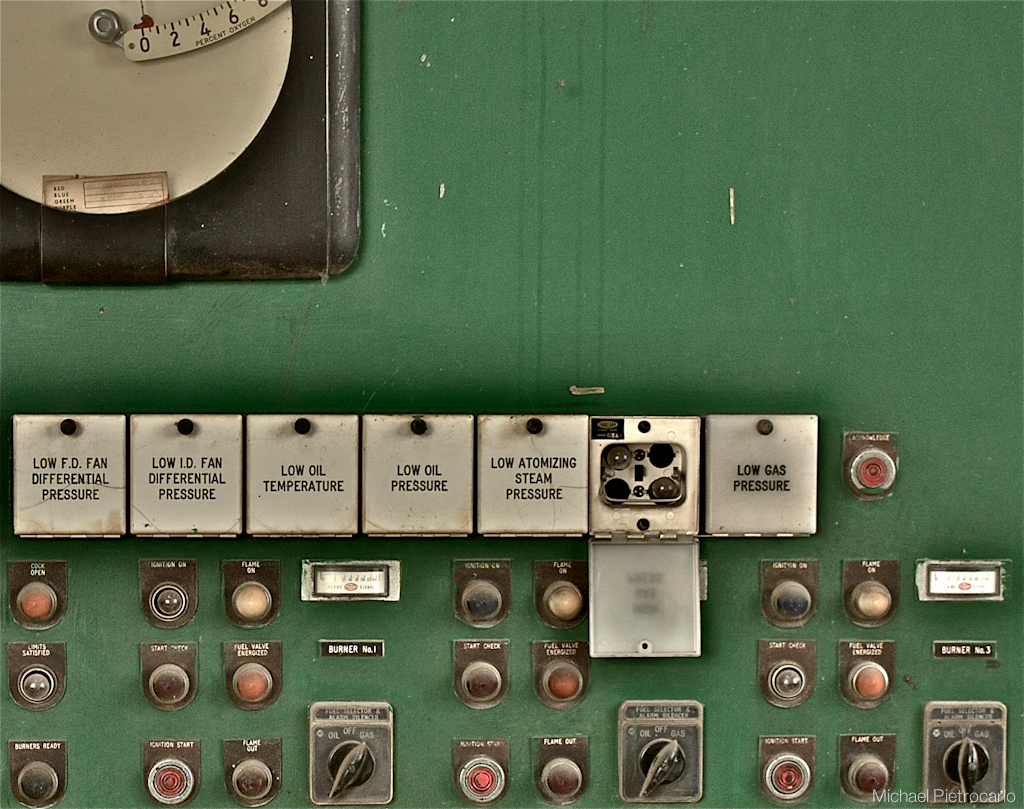
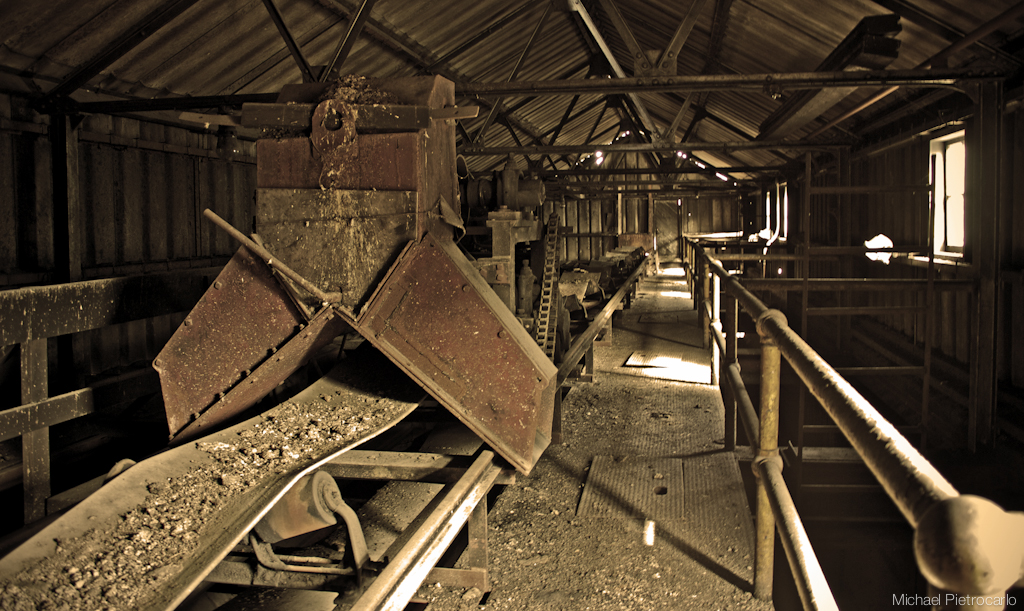
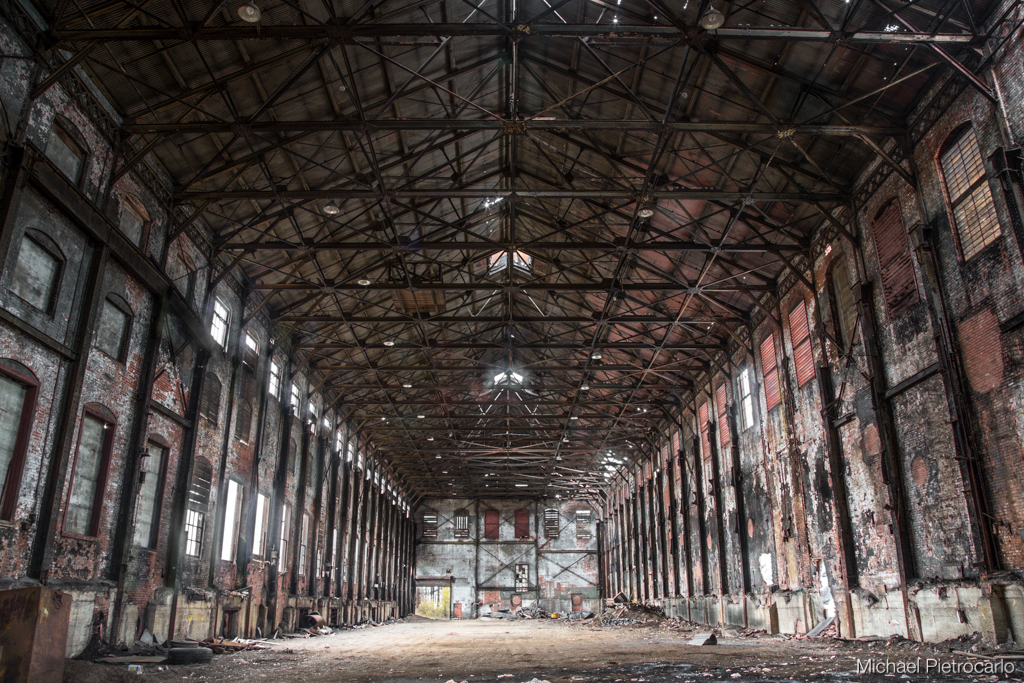
Few reminders of Toronto's industrial economy remain within the city. These empty husks are looked at everyday, but rarely seen. Simultaneously ignored and reviled. But the neglect is temporary—only time stands in the way of reclamation, either by developers or nature and time. Ghosts of Toronto Past examines the remnants of Toronto's architectural history to document the importance these constructs once served, to contemplate urban transience, and to question progress. There is an unexpected beauty in the dereliction, if one’s gaze can be focused. There is hope of new purpose, if the structures can be restored. And there is intimacy in the emptiness, if their former grandeur can be recalled.- Burner No. 2
- Former Life
- The Rocket
- Rooftop Visual
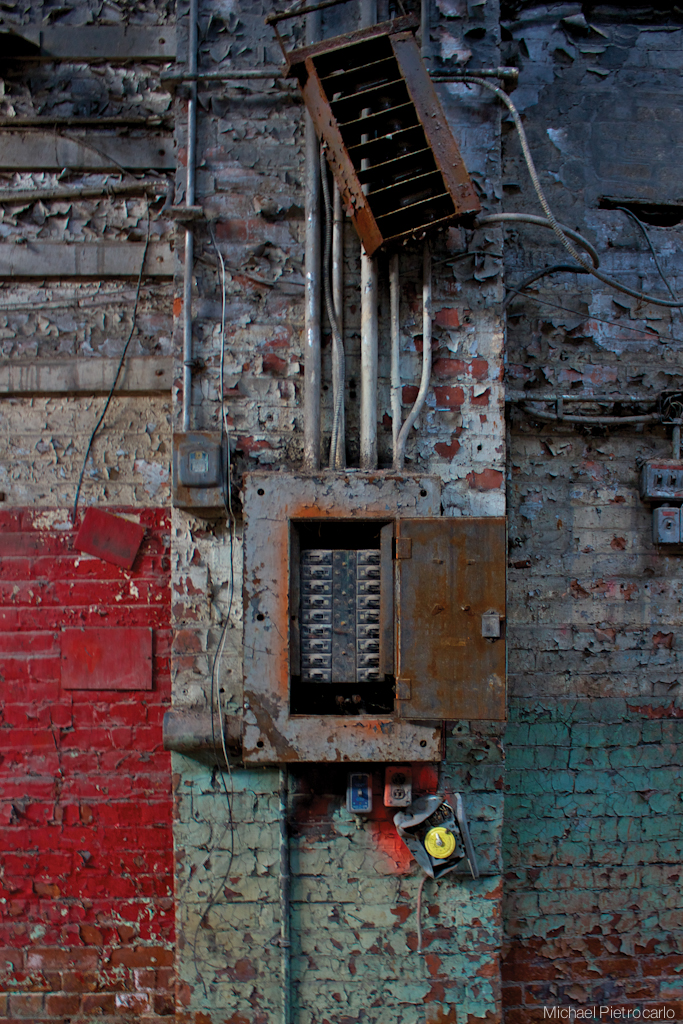
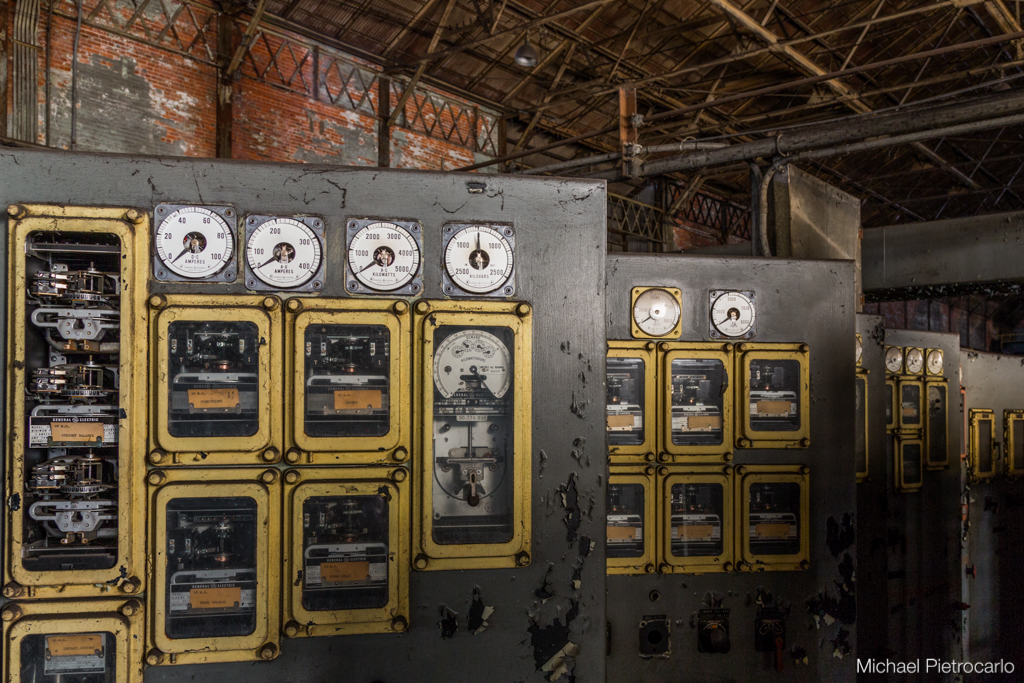
- Switchbox
- Ray-Beams
- Gallery
- Interstitial
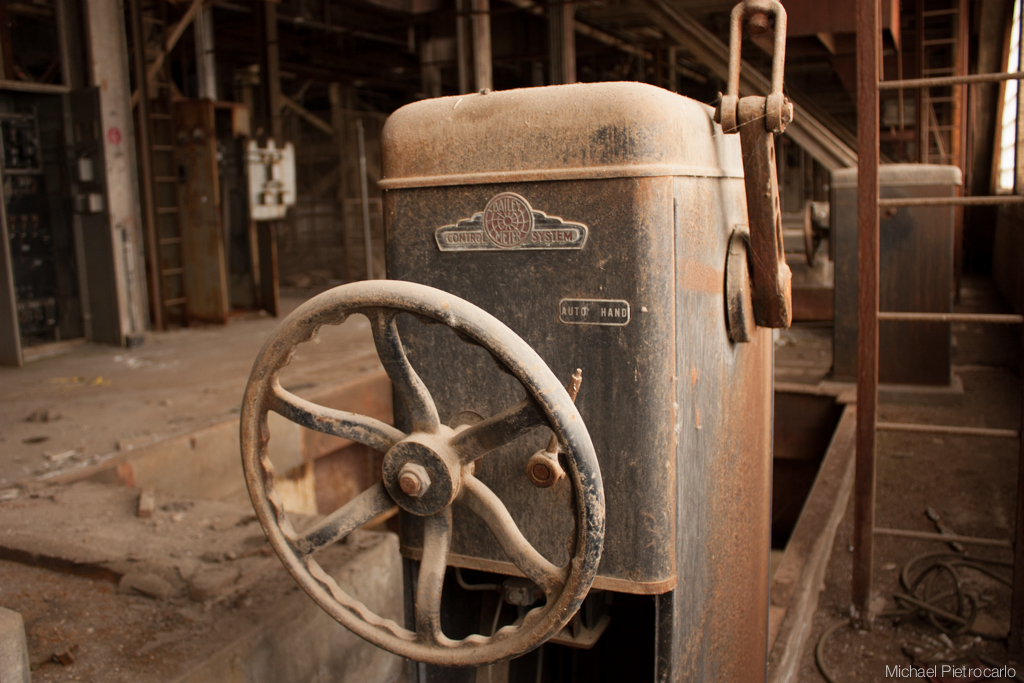
- Auto Hand
- Tarnished Brand
- The View from Bunge
- Sudden Clarity
- Keep Shut
- Barber Paper MIll 131
- Barber Paper MIll 247
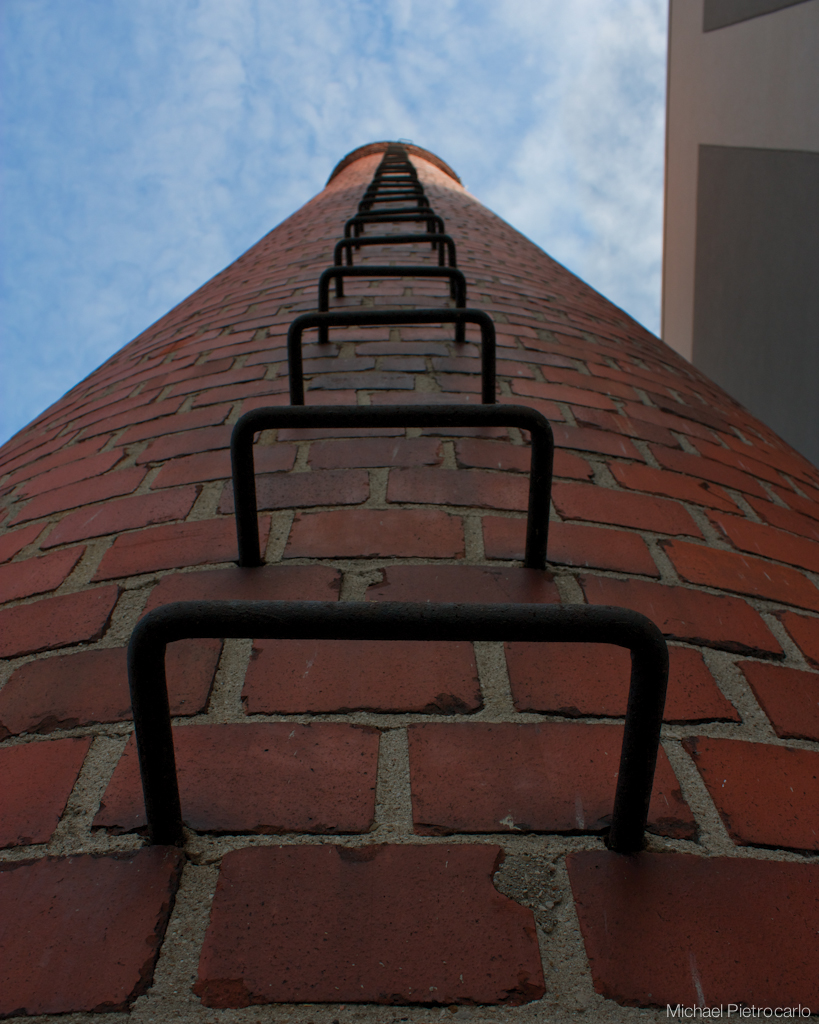
- Smokestack
- Abstract Windows
- 29
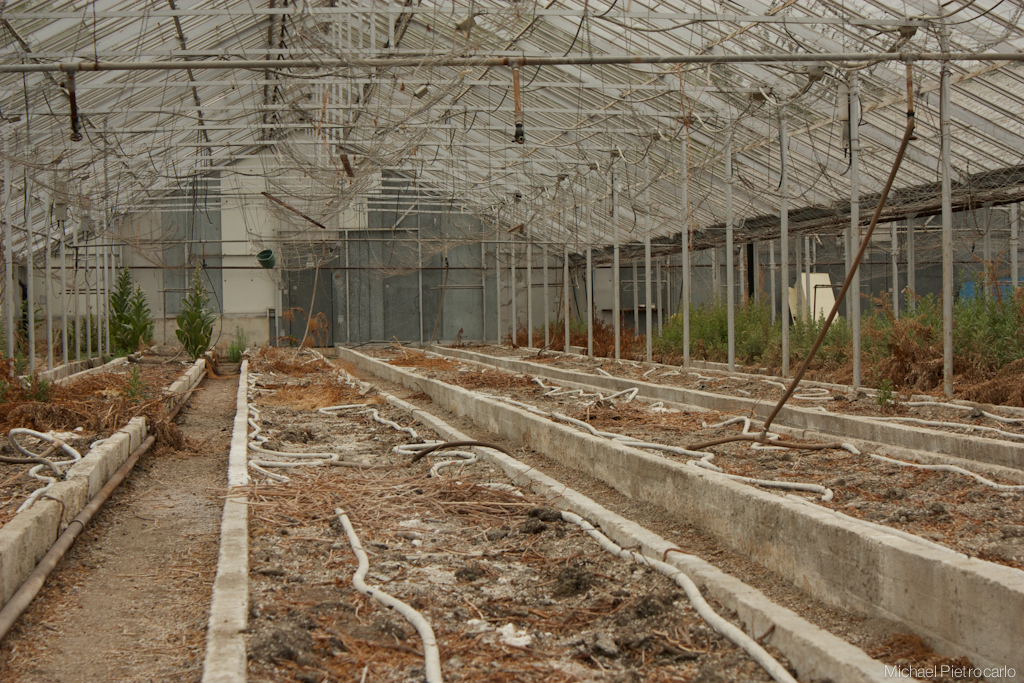
- Infertile
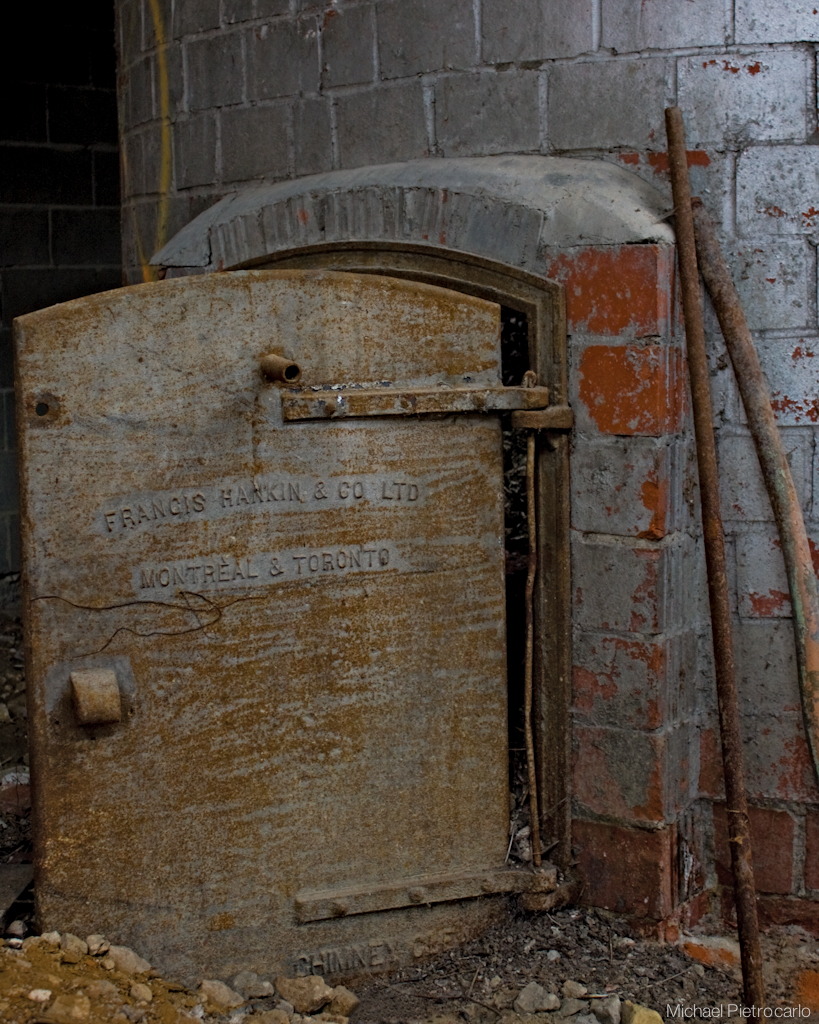
- Francis Hankin
- https://www.michaelpietrocarlo.com/wp-content/uploads/Former-Life.jpg
-
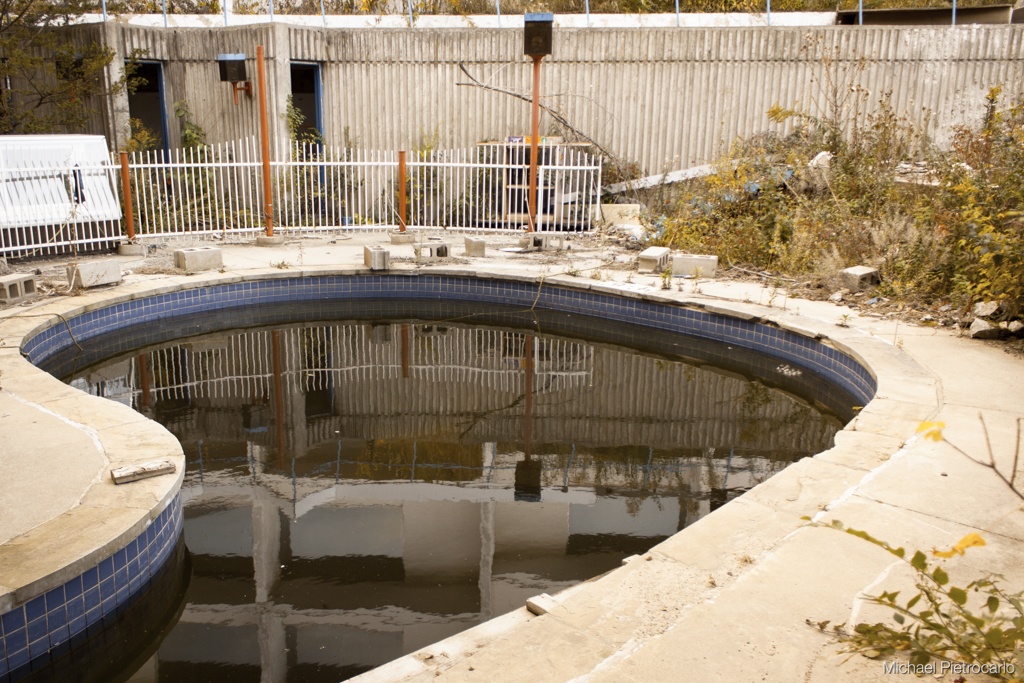
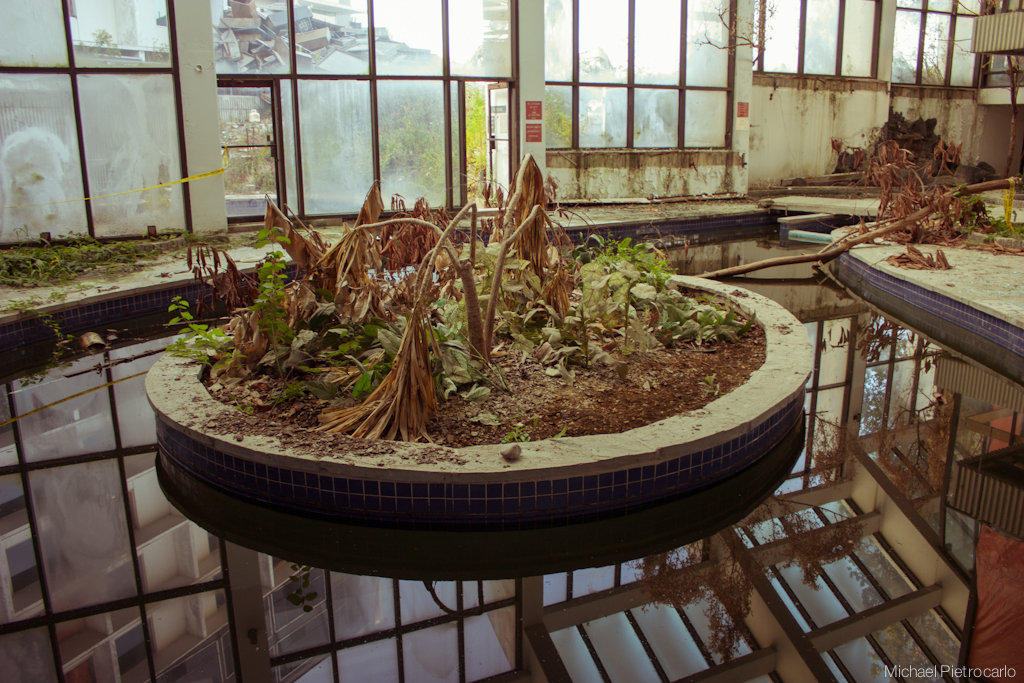
Last Resort
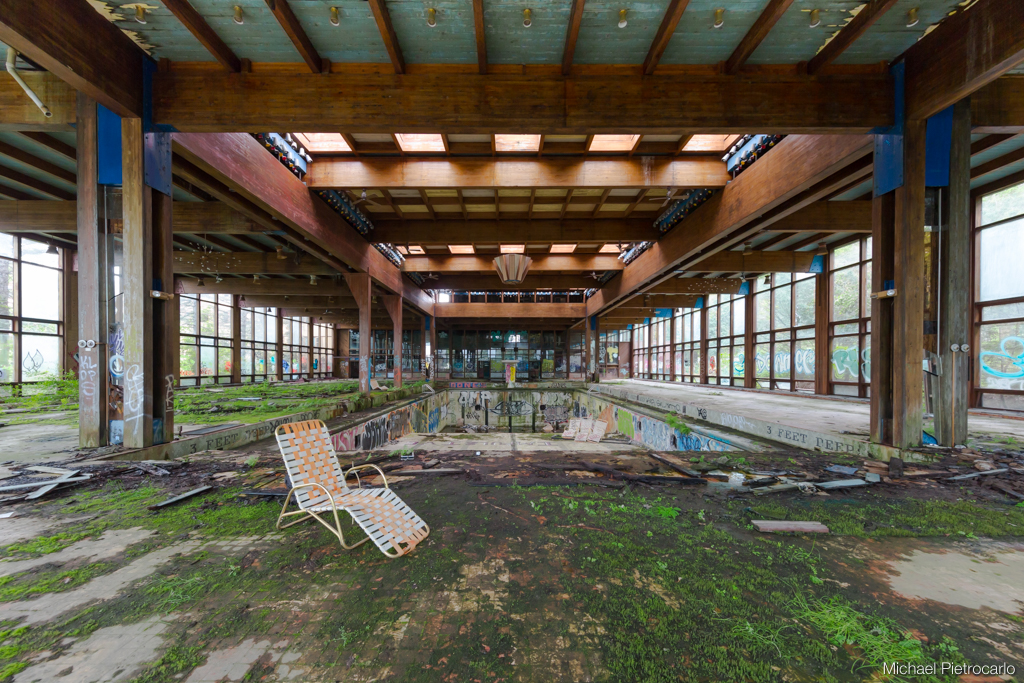
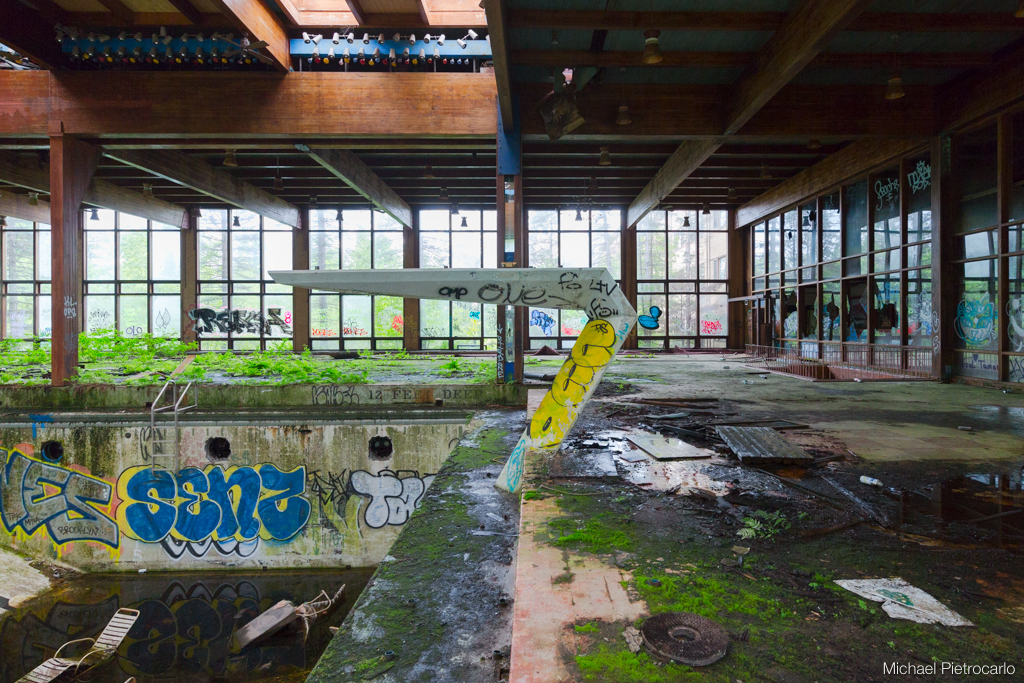
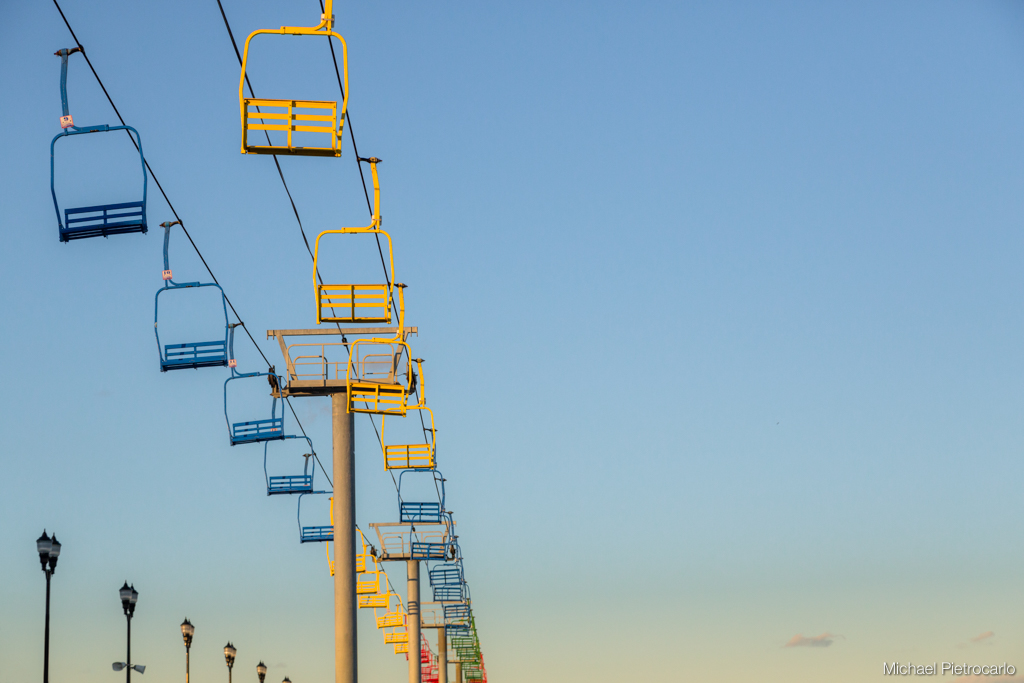
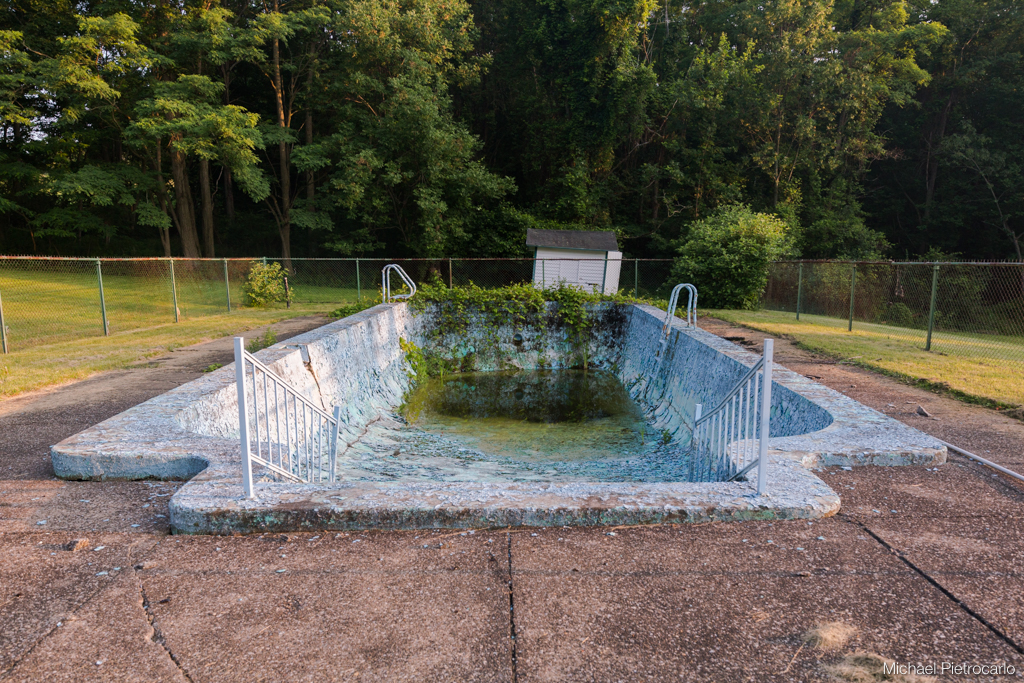
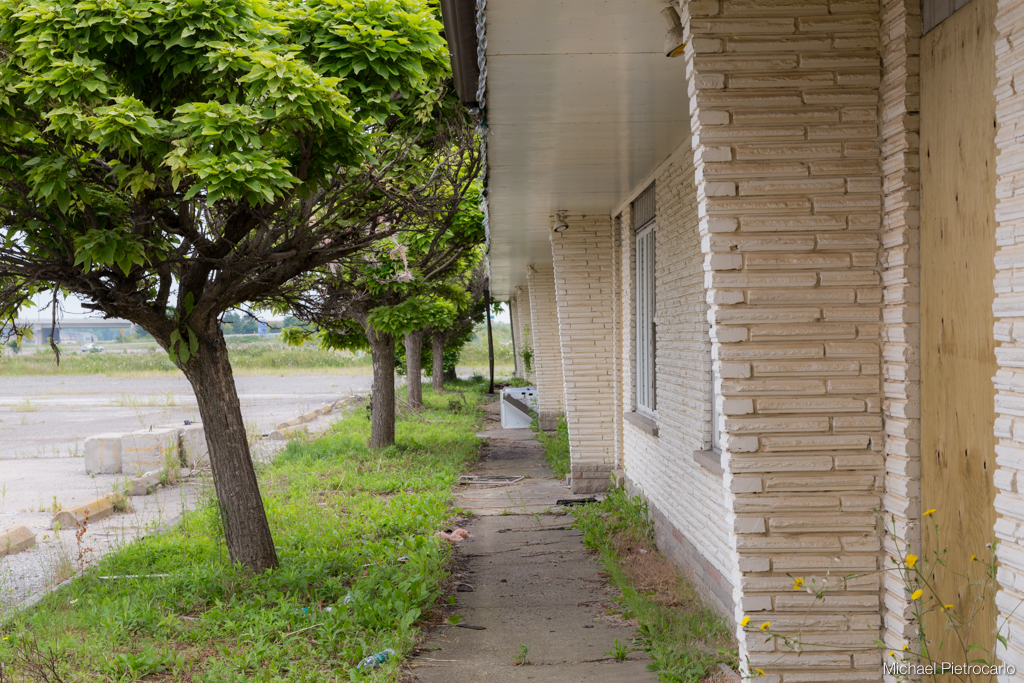
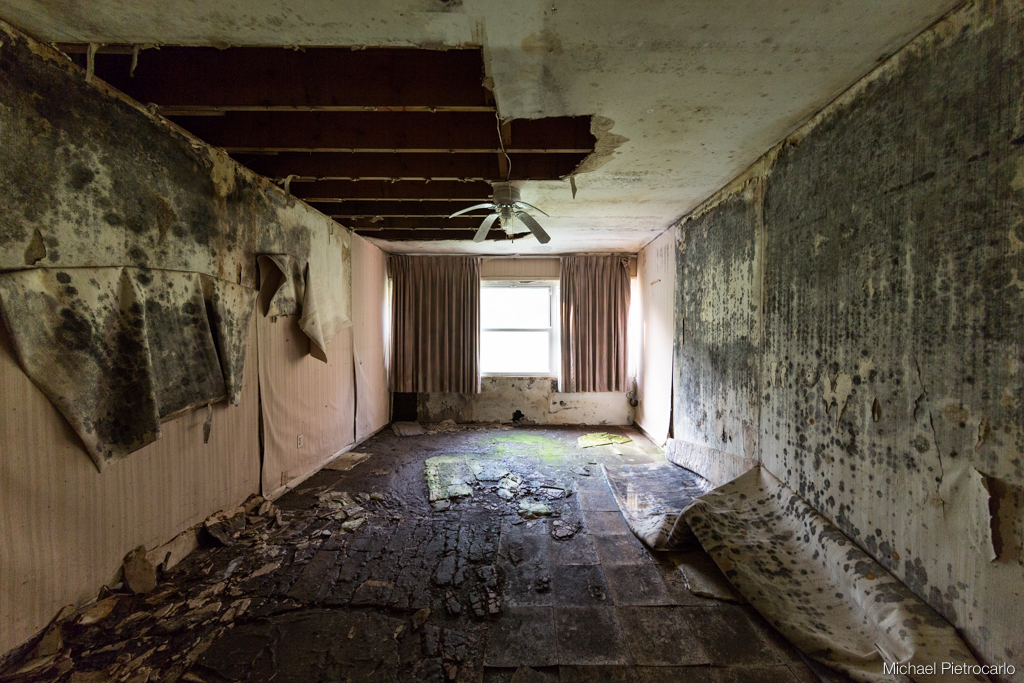
Vacation is a luxury for most, and when times get tough, luxury spending is first to get cut. Travelers stay home, hotels remain vacant, and entire tourist areas can become ghost towns.
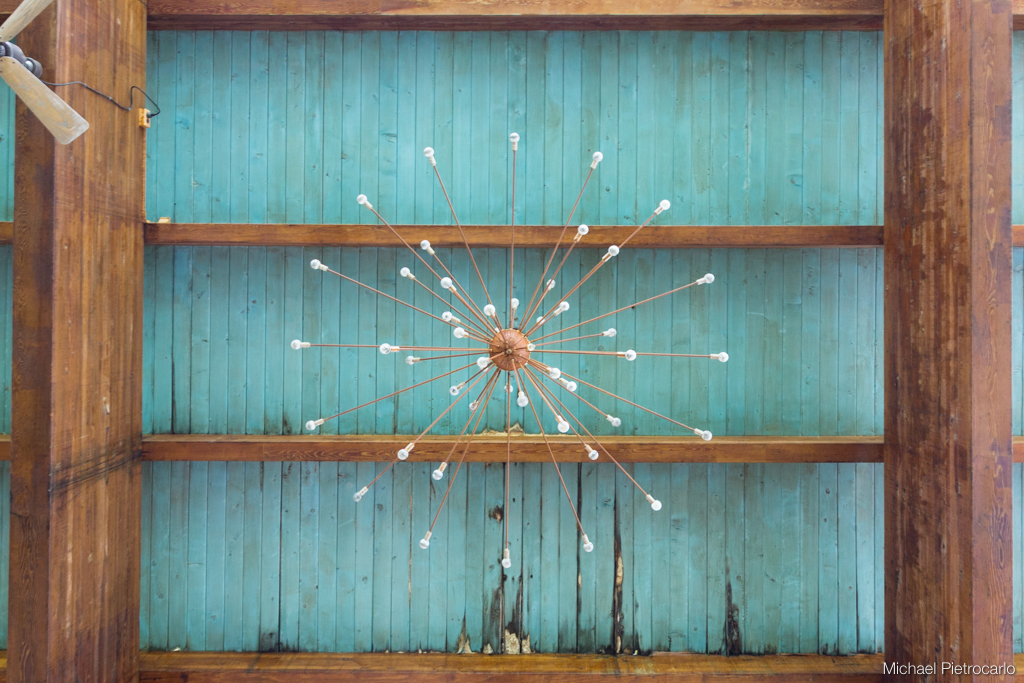
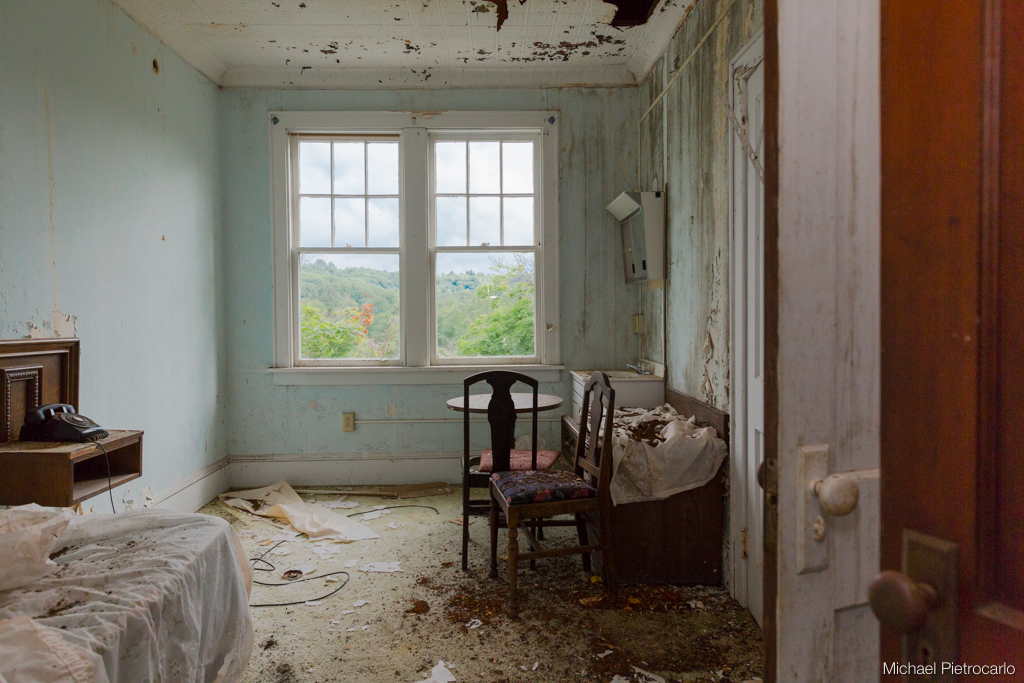
These images explore abandoned resorts, roadside motels, and posh hotels across North America. Some were visited by the celebrities of their time; others a much needed rest stop for weary travelers. One popular resort town rebuilt itself after the Great Depression, only to fall again on hard times in the mid-19th century. All of their walls have heard countless stories. Now, the banquet rooms, suites, and swimming pools sit in lonely silence.
- Bathed in Sunlight
- Dive In
- Sputnik
- Adler Arcade
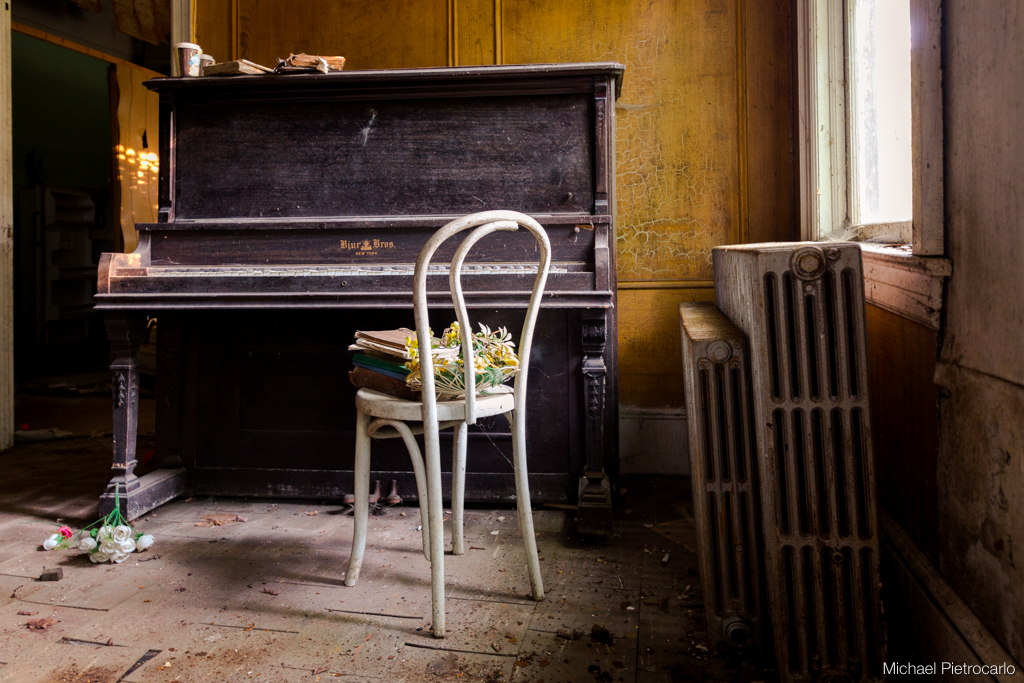
- Roses on My Piano
- Room Disservice
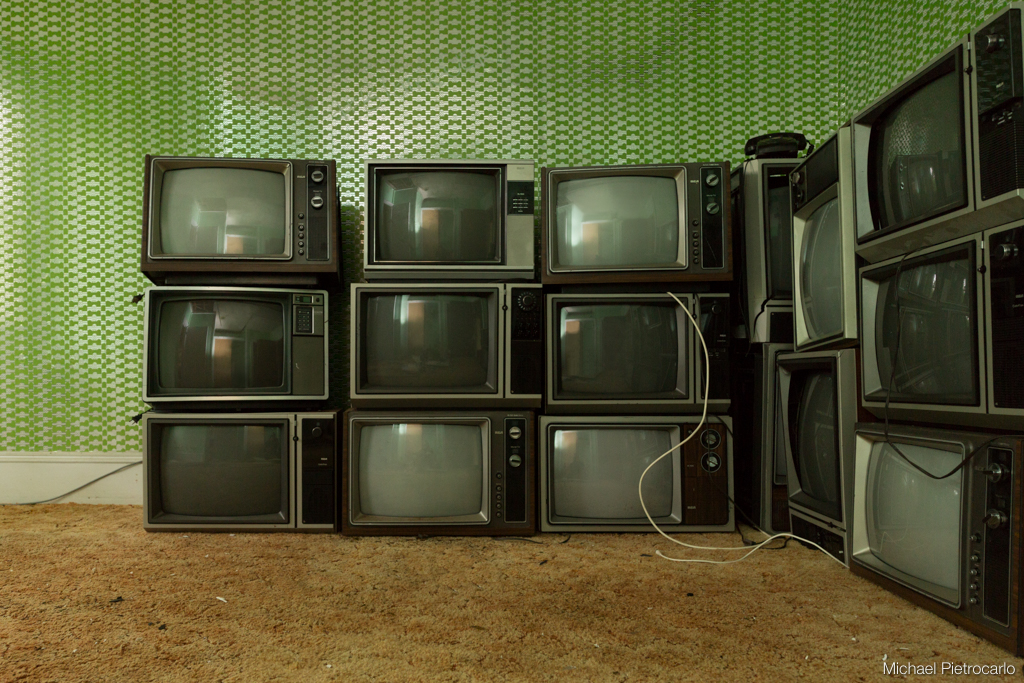
- Nothin' On
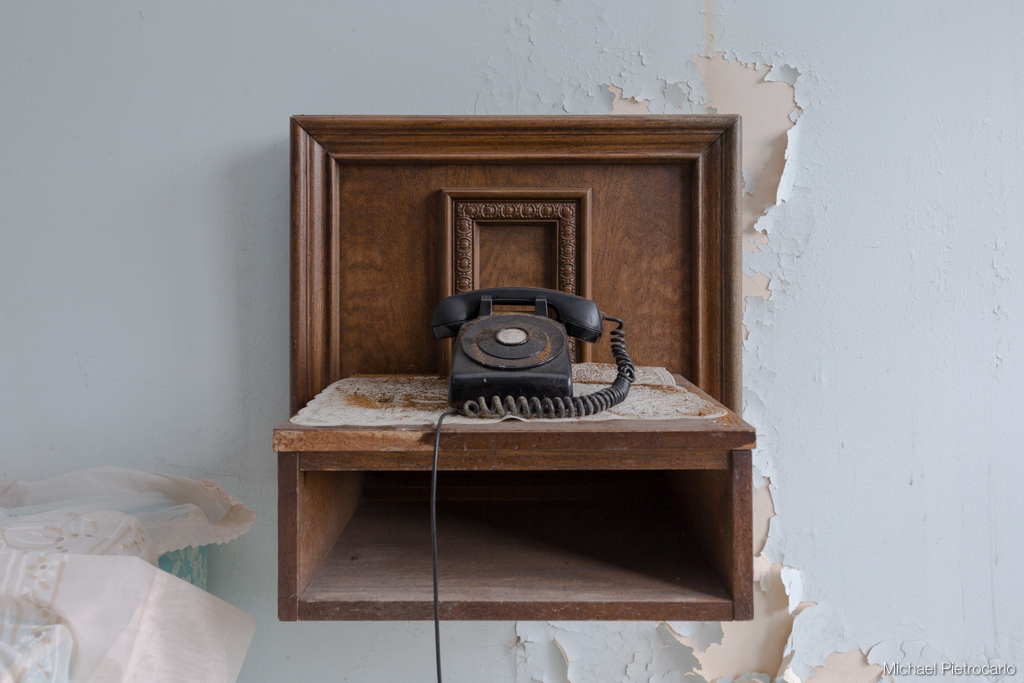
- The Line is Dead
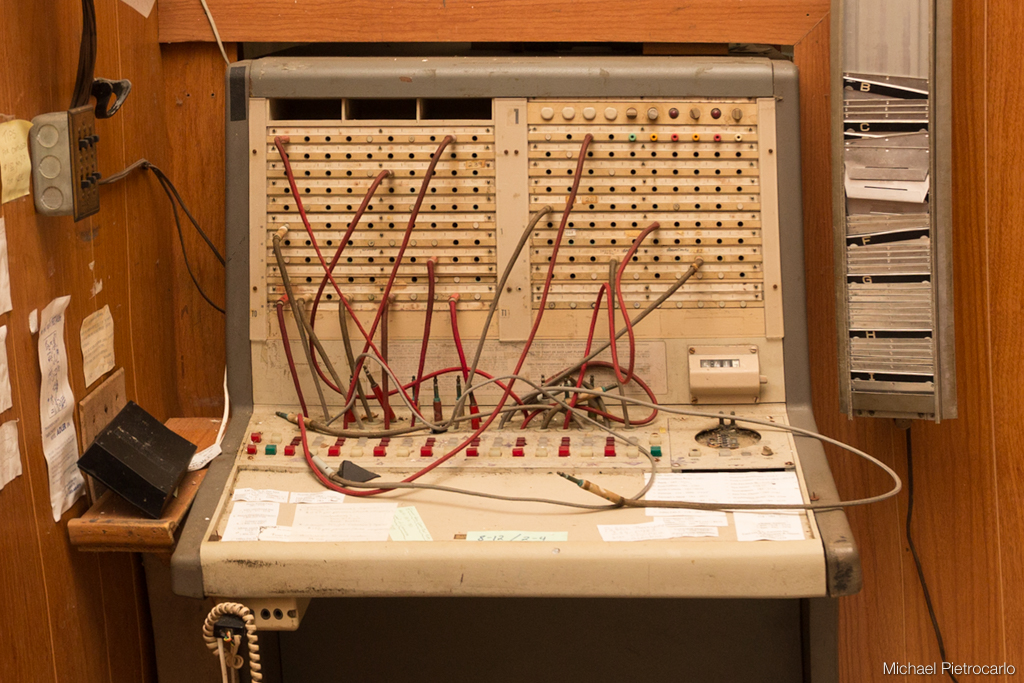
- Switchboard
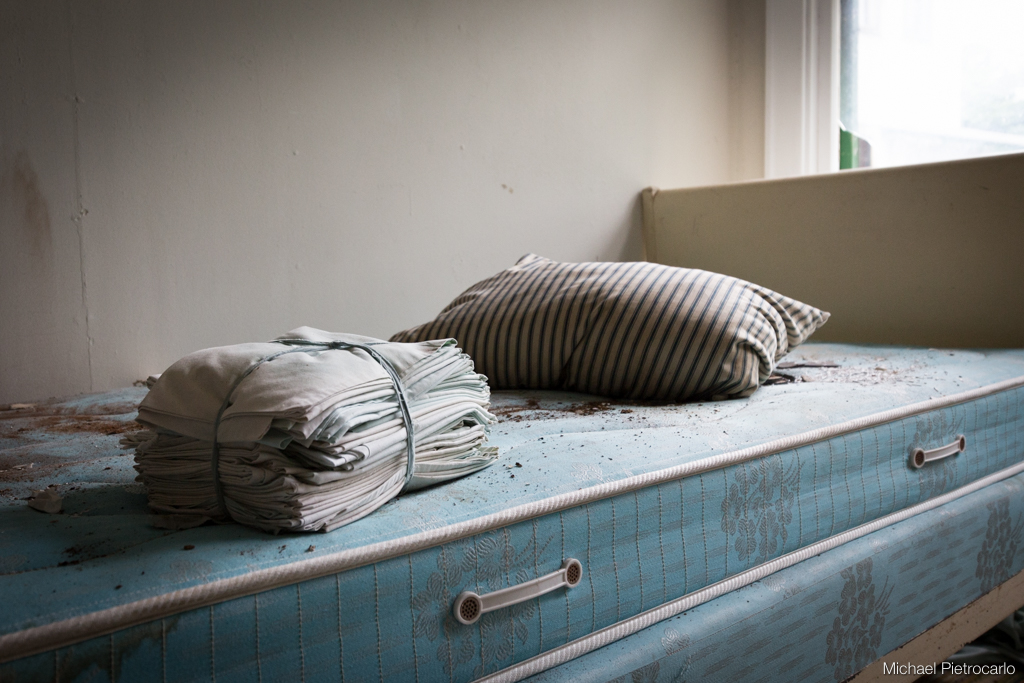
- Clean Sheets
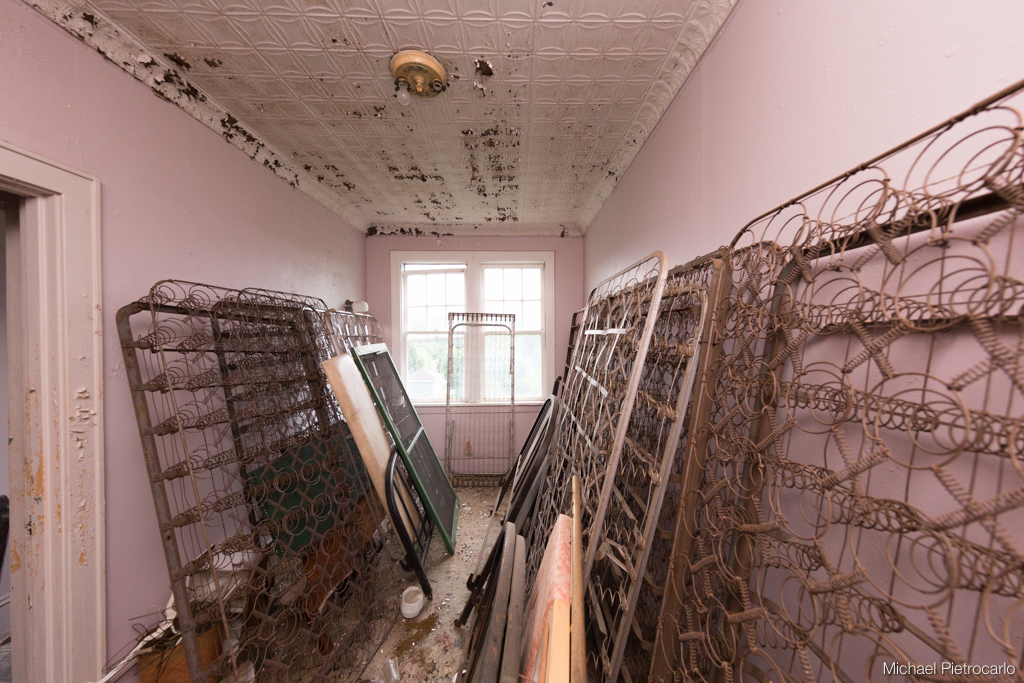
- Box Springs
- Green Room
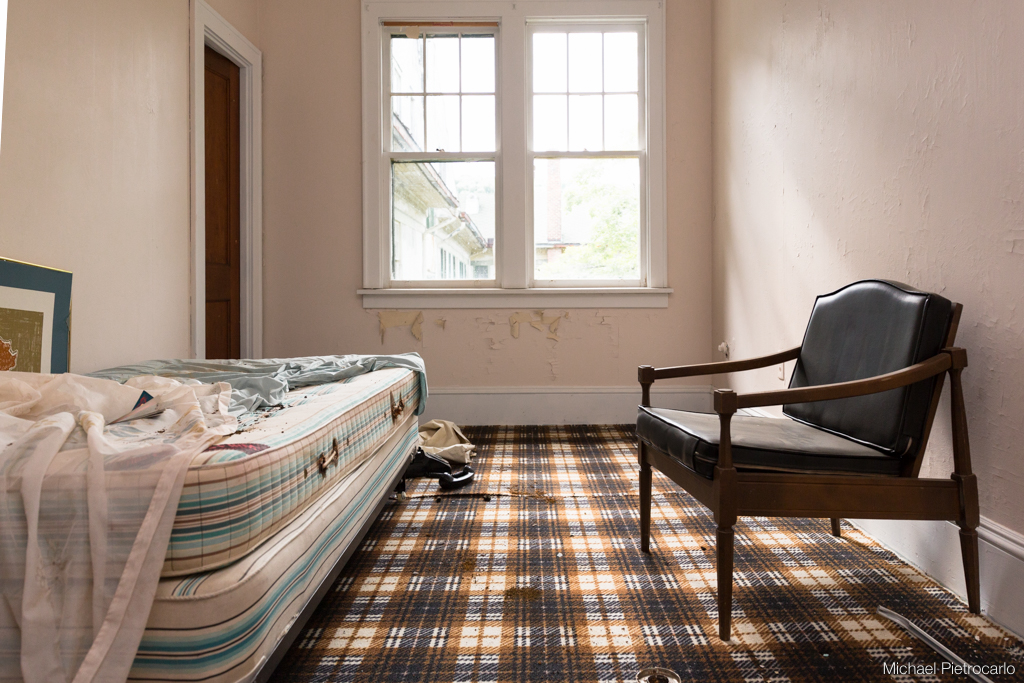
- Brown Room
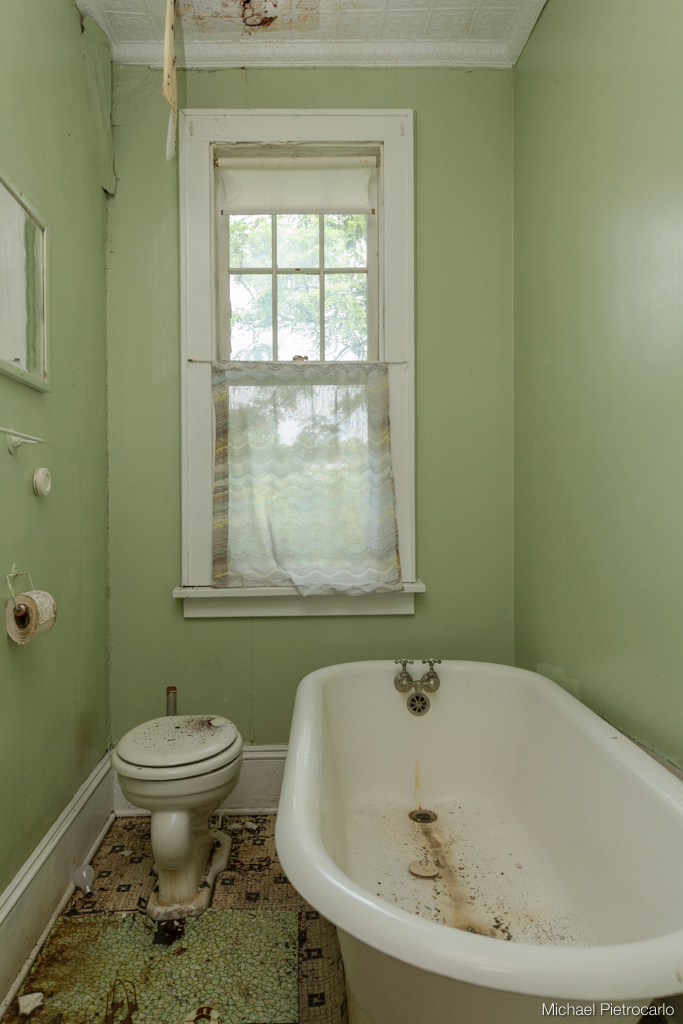
- Green Bath
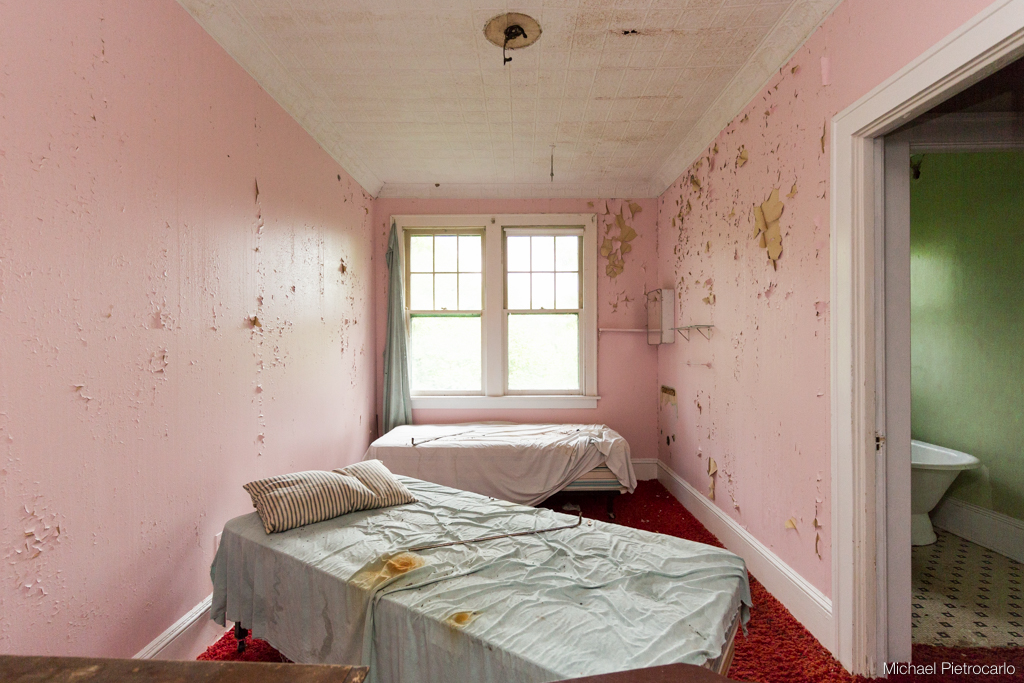
- Pink Room
- Time of My Life
- Cracksplash
- Boulevard Gardens
- Pavilion
- Vacancies
- Lobby
- Ornate Corridor
- Reading Room
- Salon
- Compartmentalization
- Downslide
- Winter Shore
- Unamused
- Sprung Out
- Stop 50
- Water Damage
- Pool Closed
- Neglect
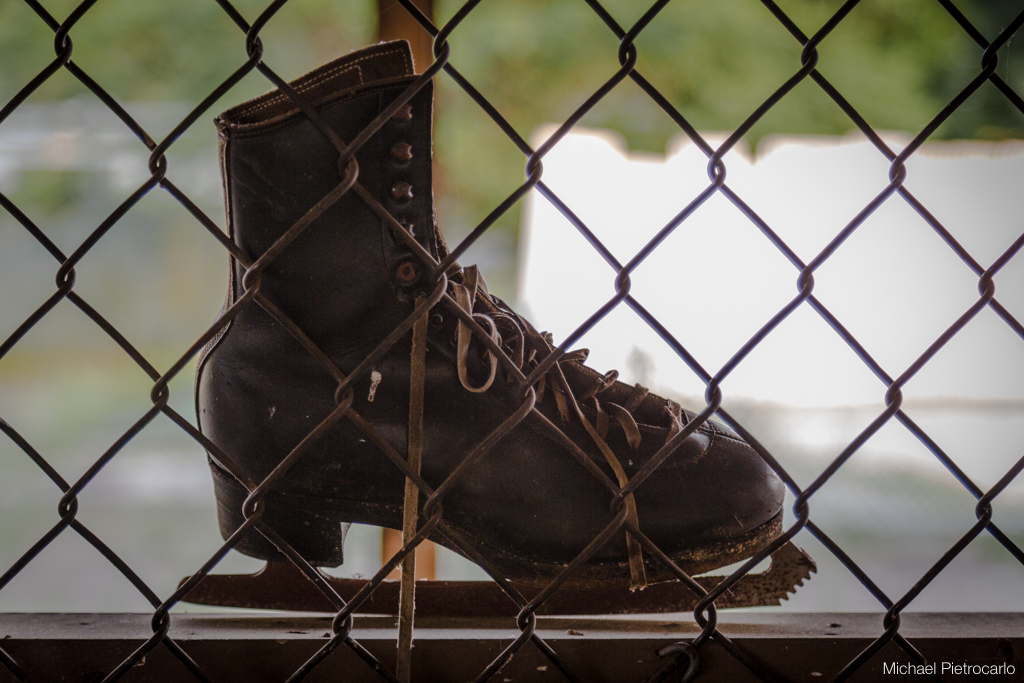
- Single Skate
-
Rust Belt
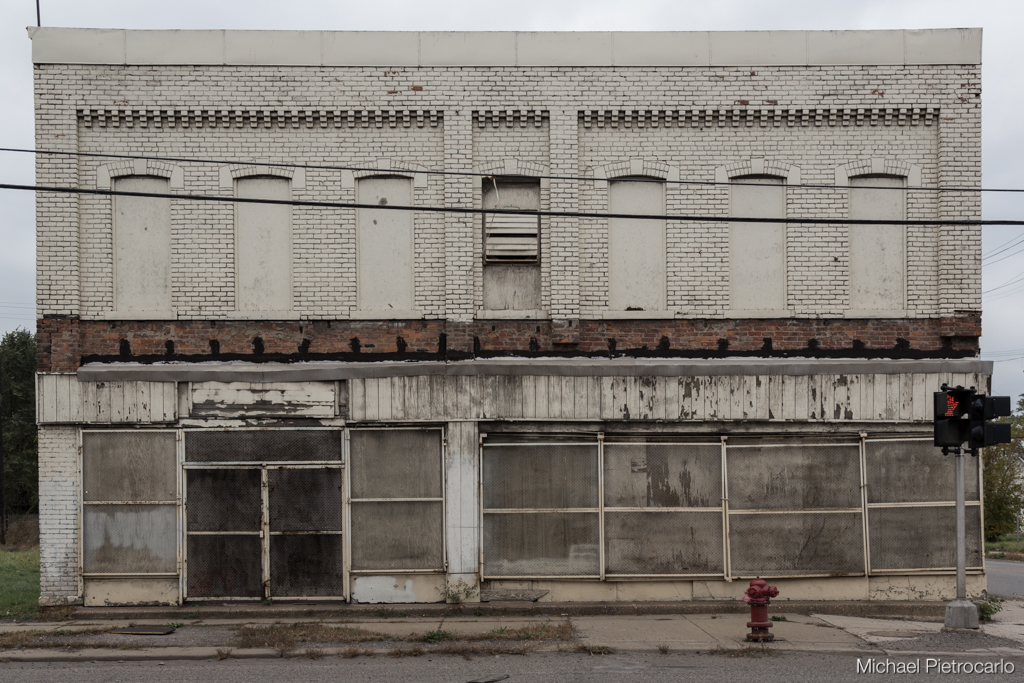
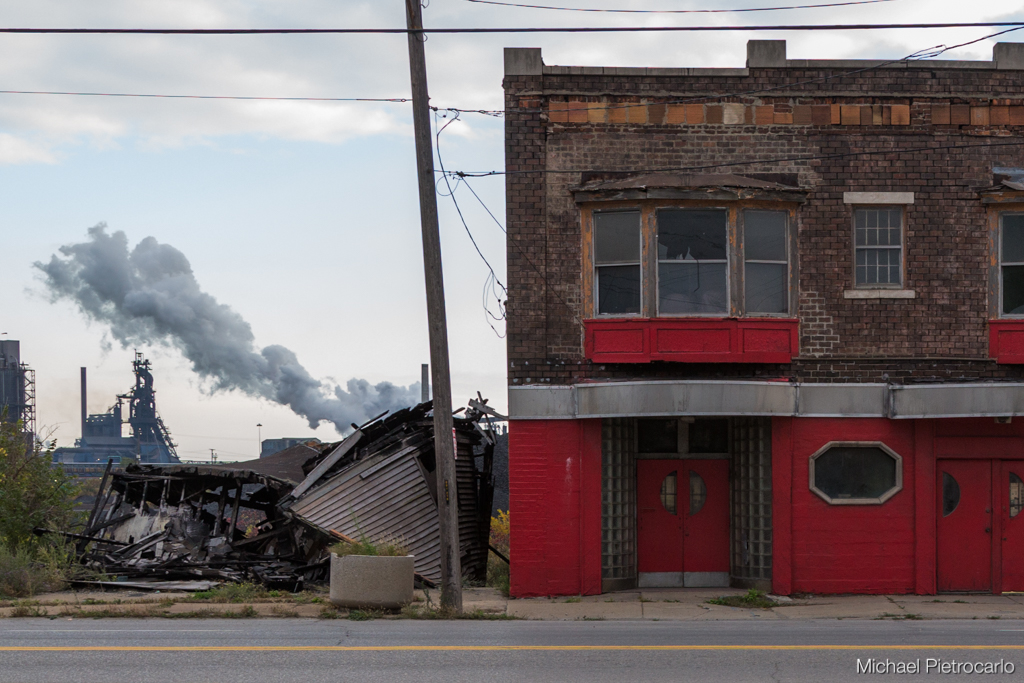
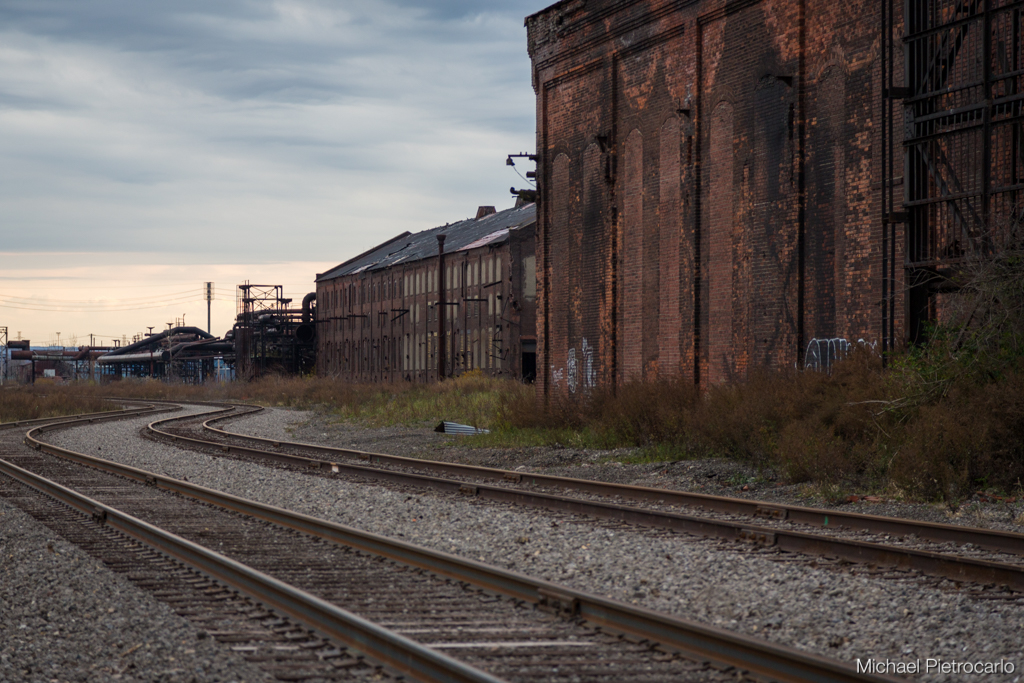
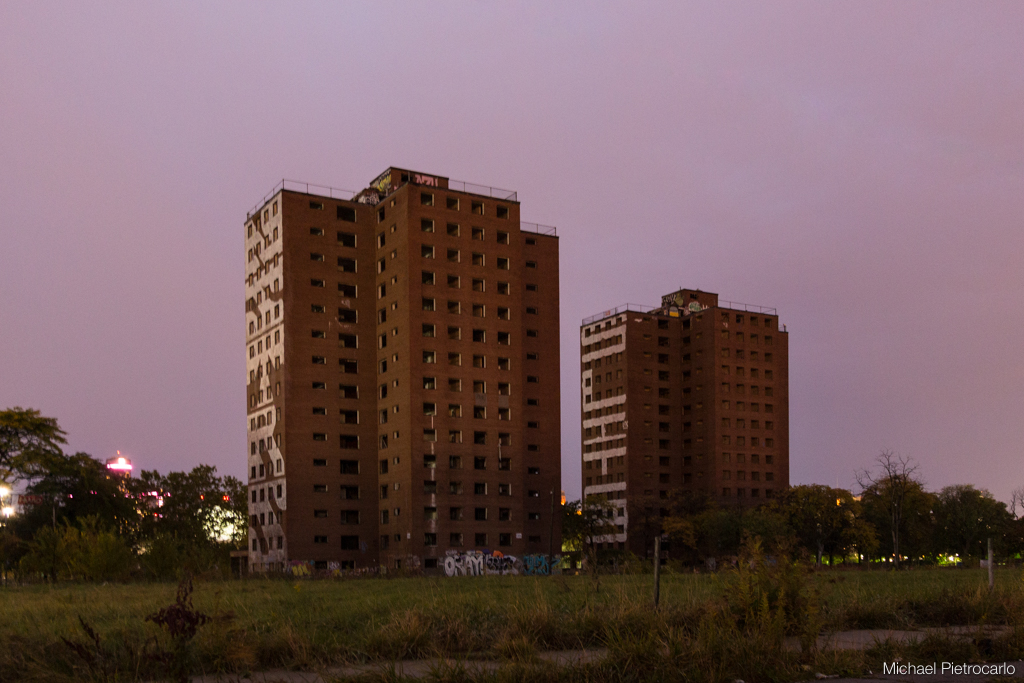
Industry often forms the core of urban community: where there is work, there is pay; and populations will flock. Around this core are built elements that define and strengthen a community: places of worship, transportation hubs, entertainment venues, and commercial centers. But when industry wanes, what becomes of its communities?
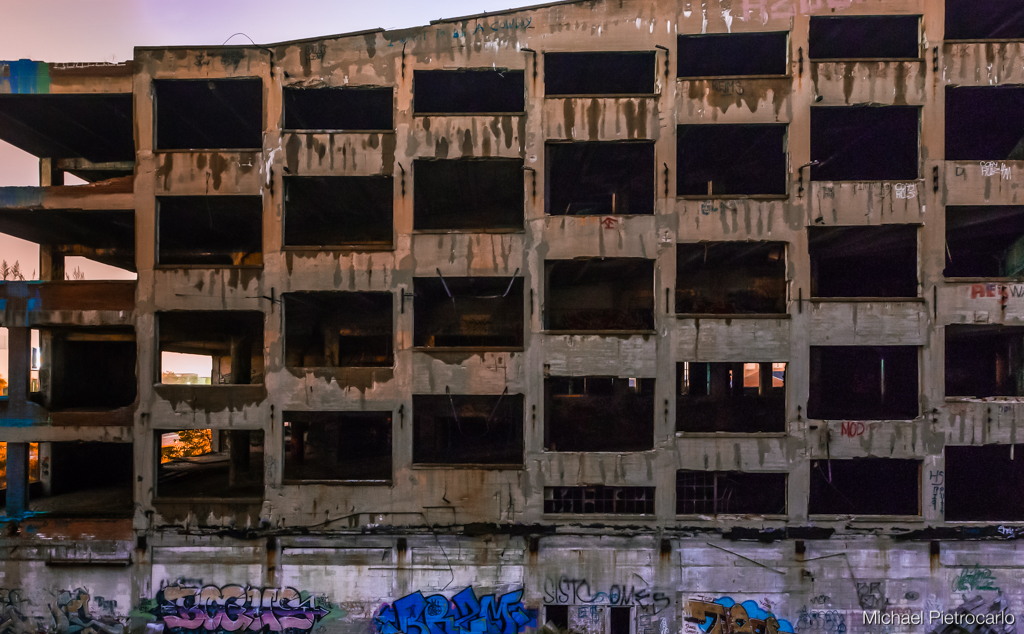
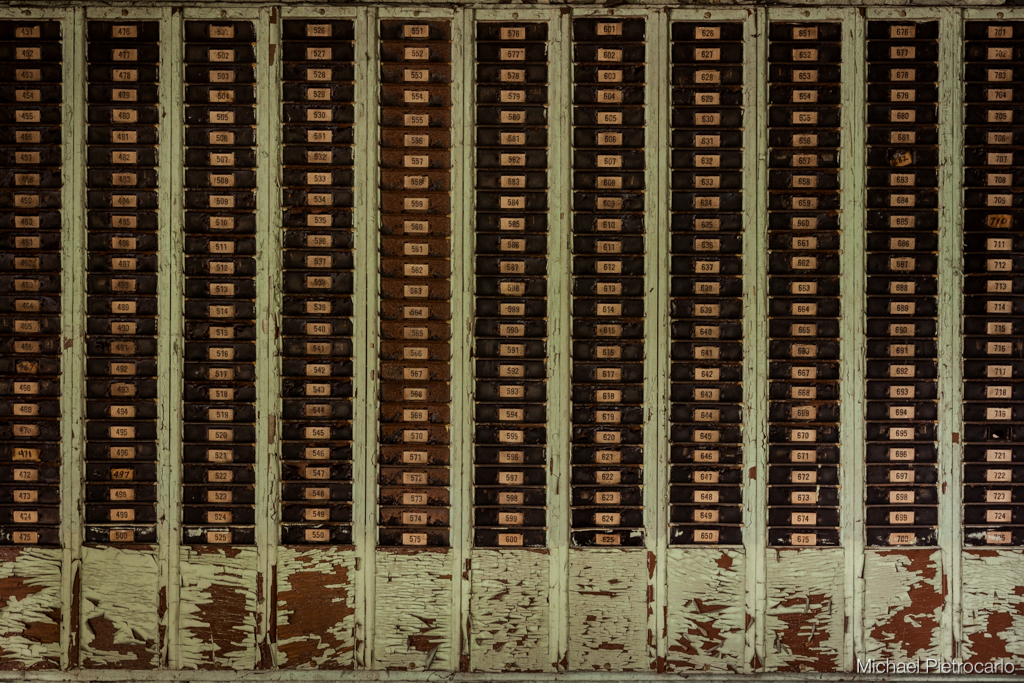
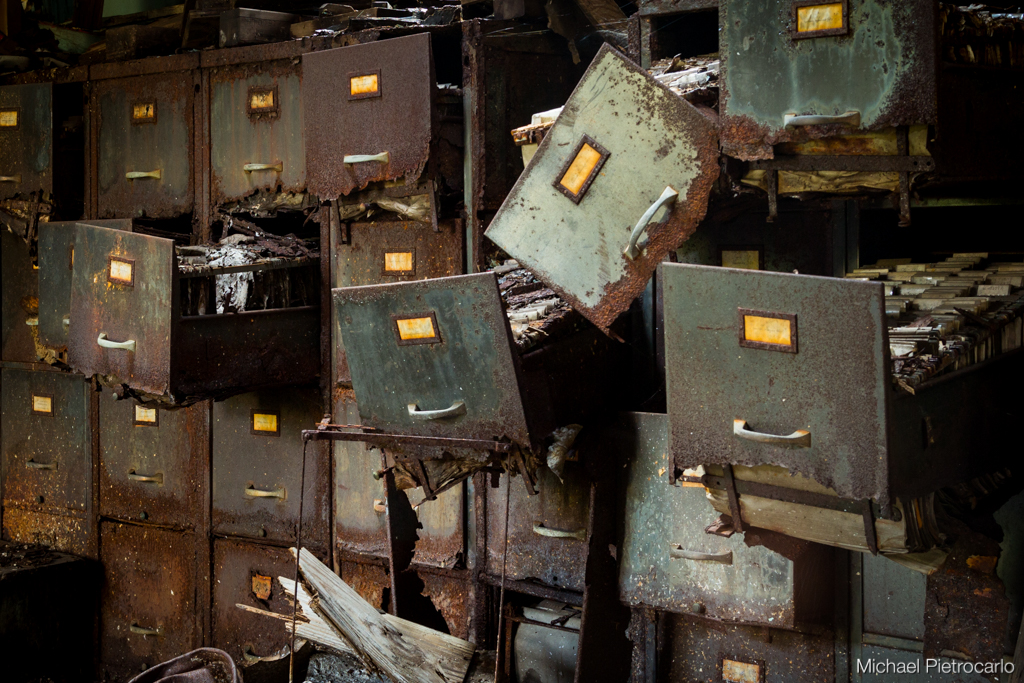
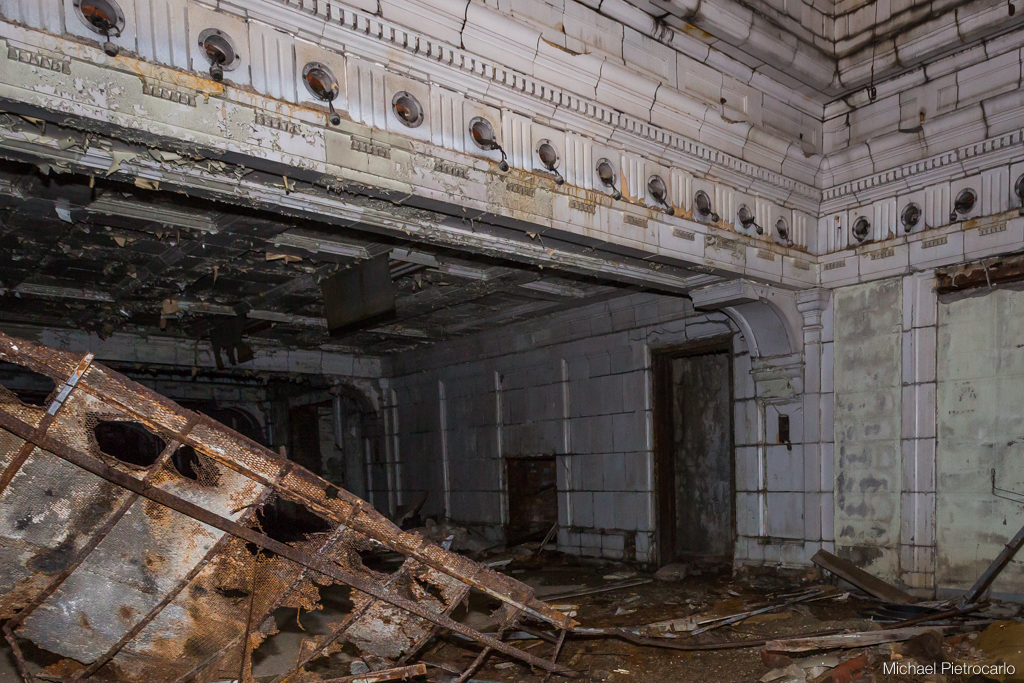
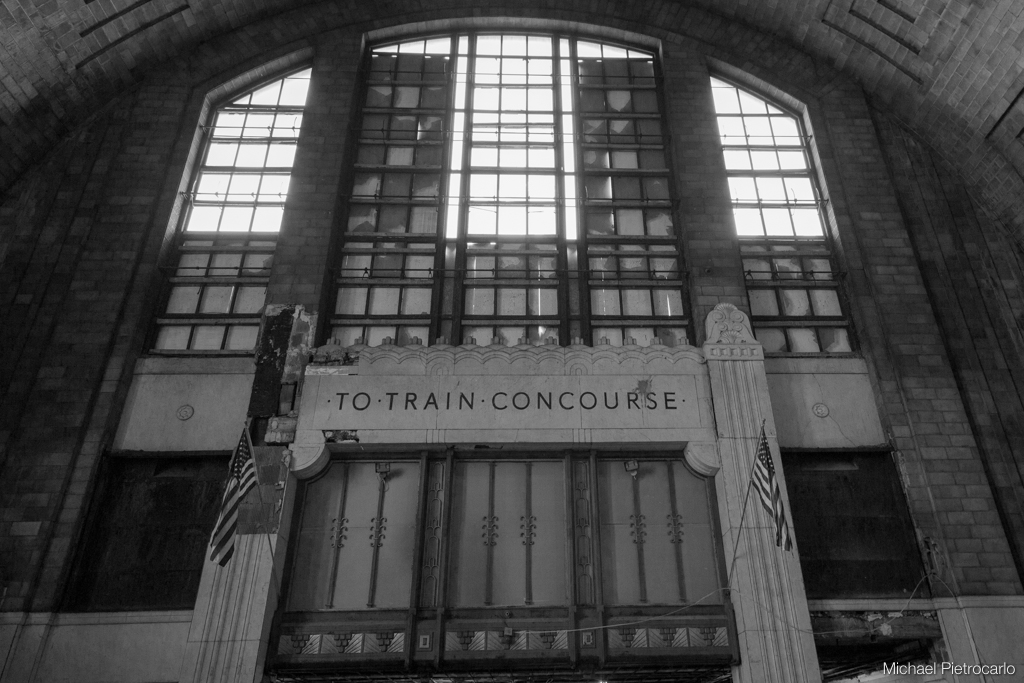
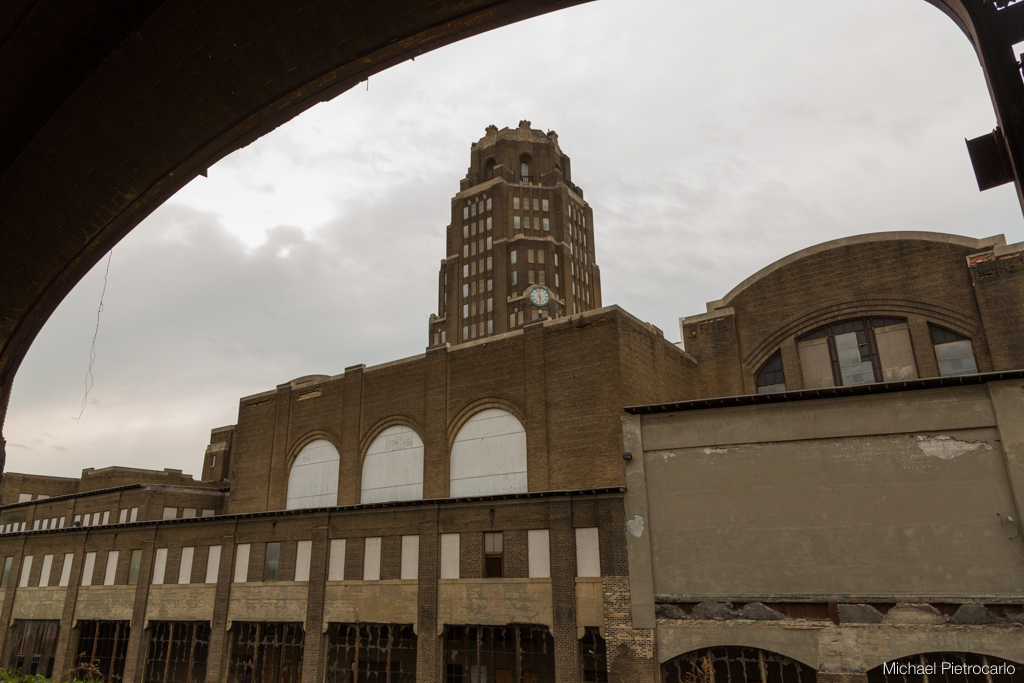
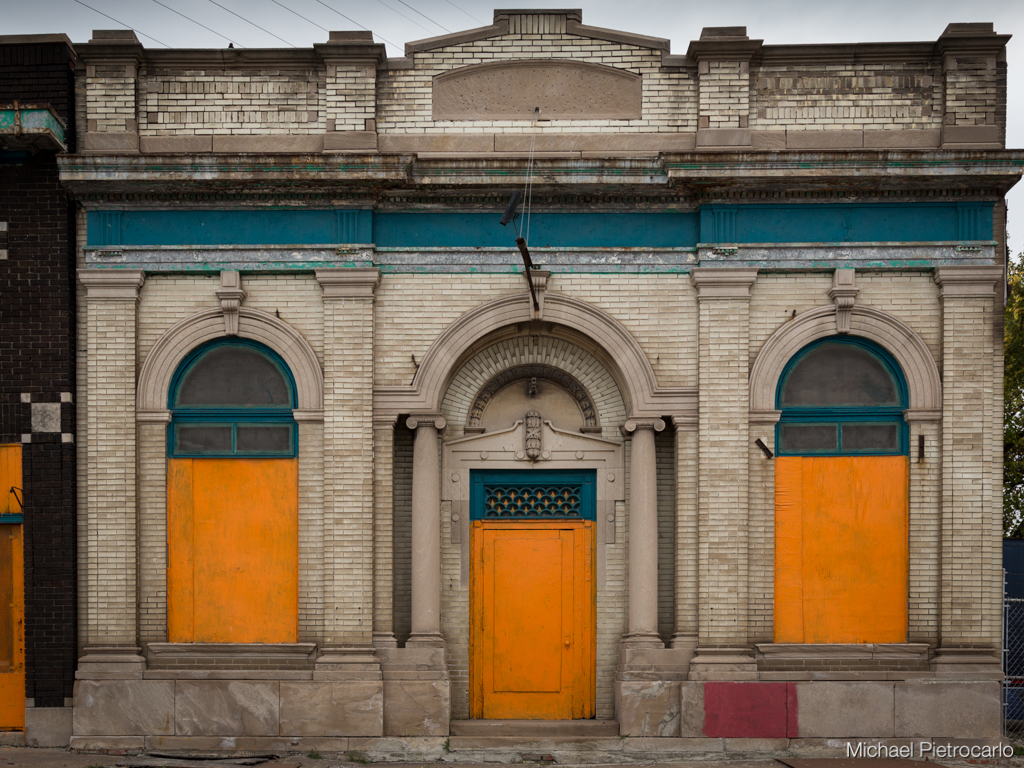
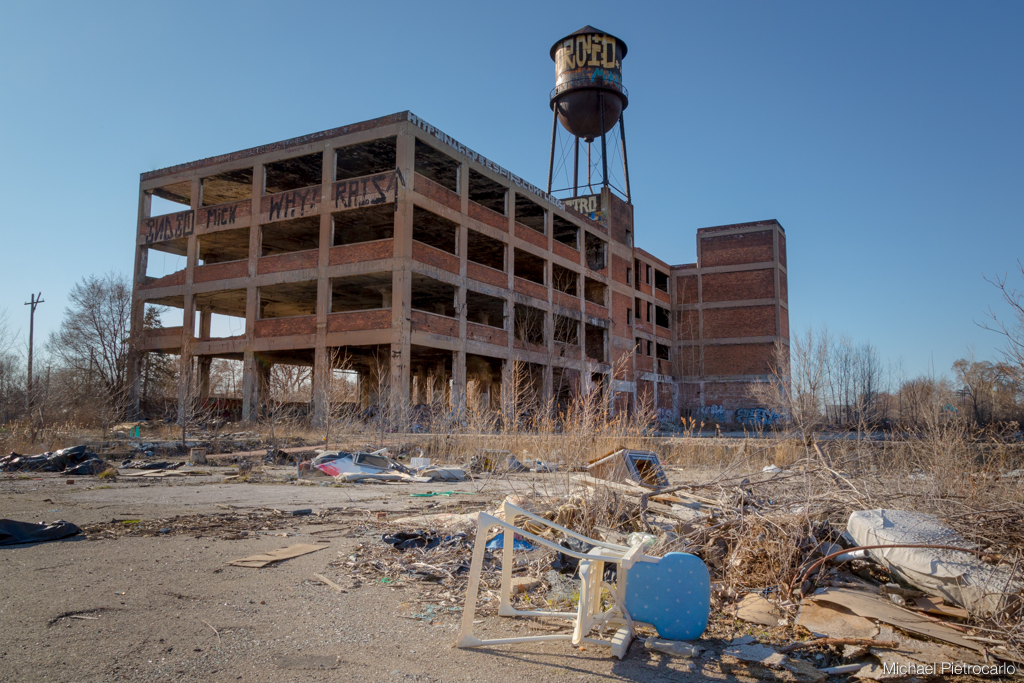
Rust Belt explores three communities hit hard by the shifting American economy of the 1980s: Buffalo, Detroit, and Pittsburgh. Wealth and prosperity are apparent in the grand, ornate architecture and sprawling factories. But these images reveal how even the most sacred structures and the biggest monuments can be forsaken when workers are idled.
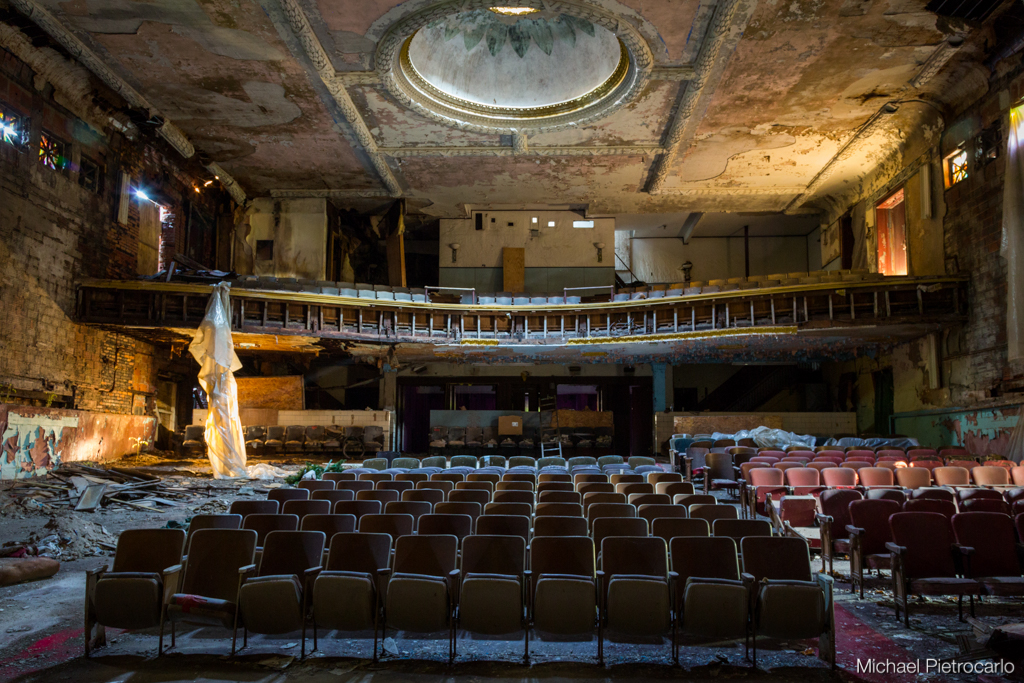
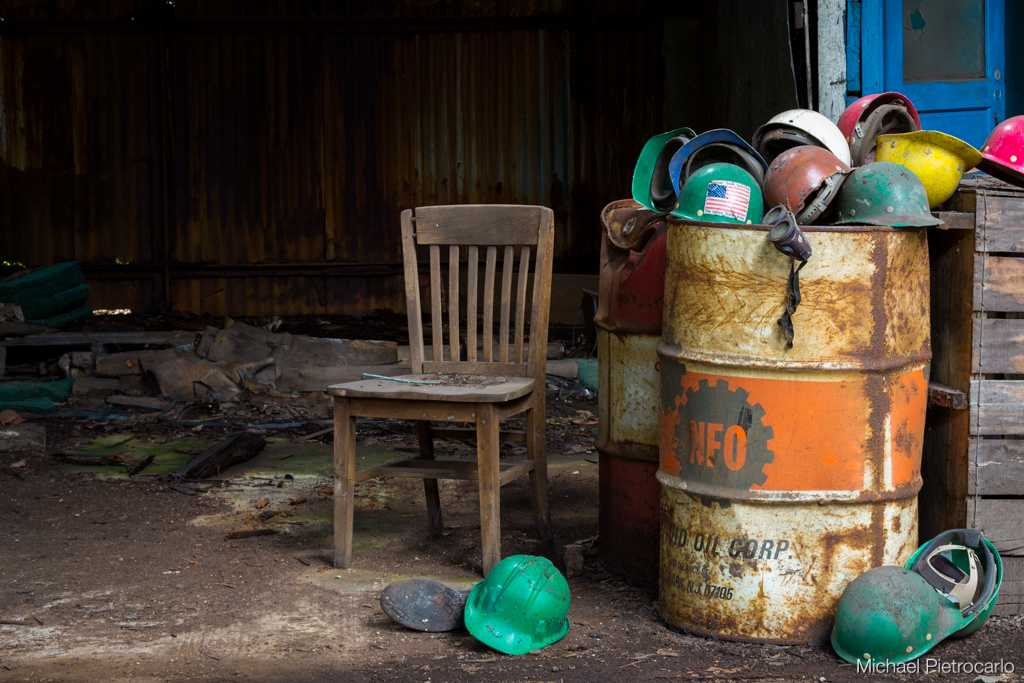
It has taken decades, but populations are returning to these cities in efforts to revitalize. In best-case scenarios, the abandoned structures are restored and repurposed. But to remember how they were abandoned serves as a reminder of how fragile communities can be.- Show's Over
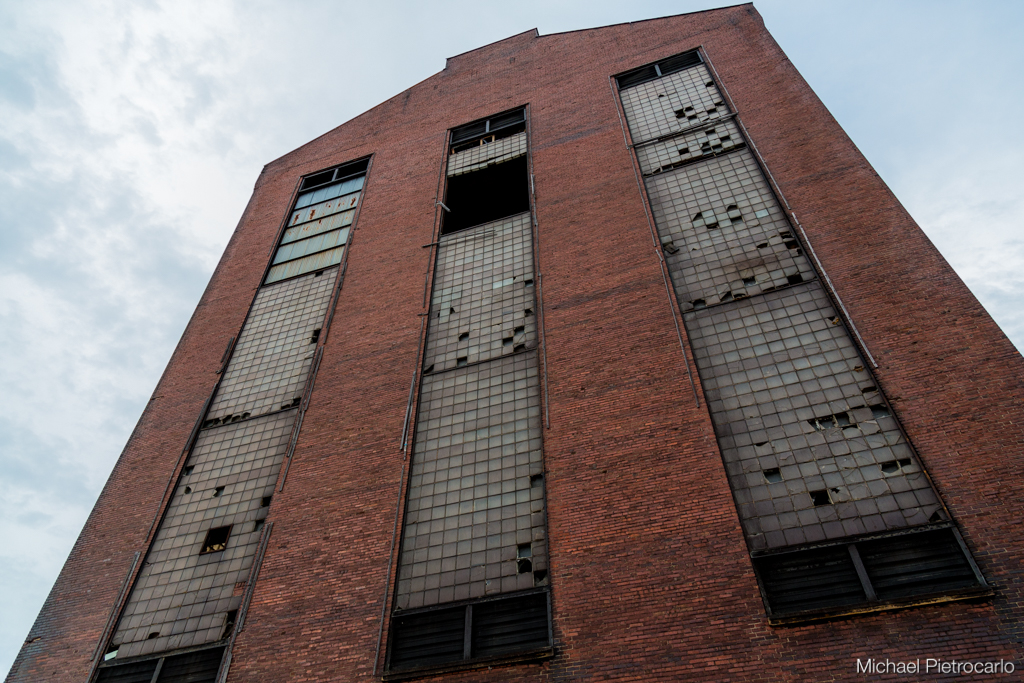
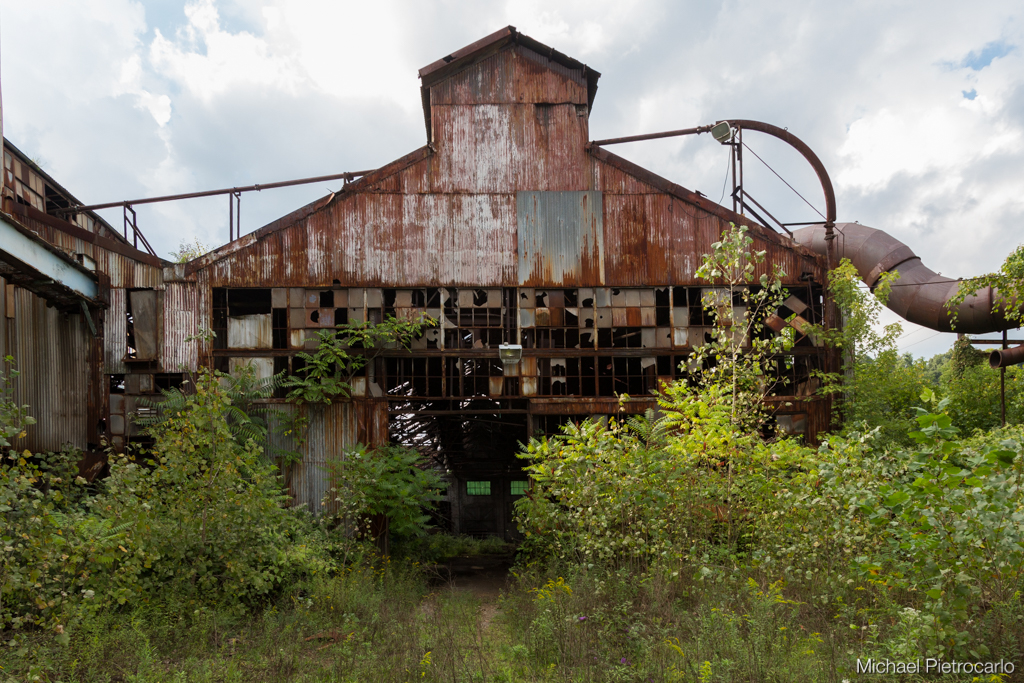
- Vanishing Industry
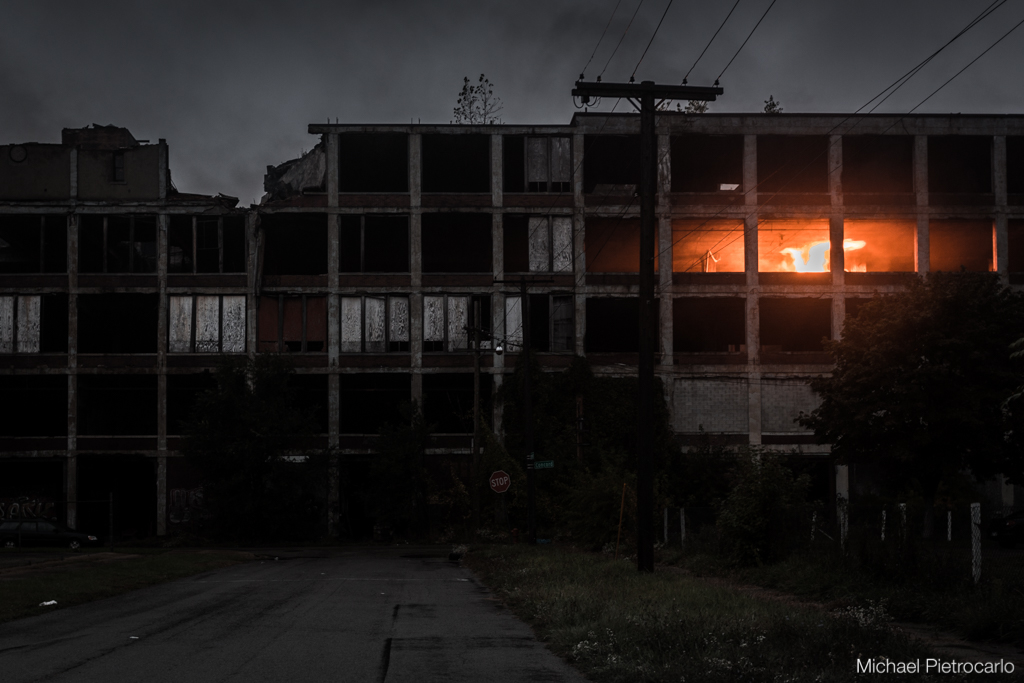
- Packard at Dusk
- Nothing but Time
- Lost Files
- Colorful Protection
- Inbox
- The Path Remains Clear
- Aisle Standing
- _-2
- Yes
- Crossbeams
- Open to Input
- Stacked Crooked
- Shafted
- Central Station
- Art Endures
- michigan-central-station-07-edit
- buffalo-central-terminal-25
- buffalo-central-terminal-74
- River Blanc
- Quittin' Time
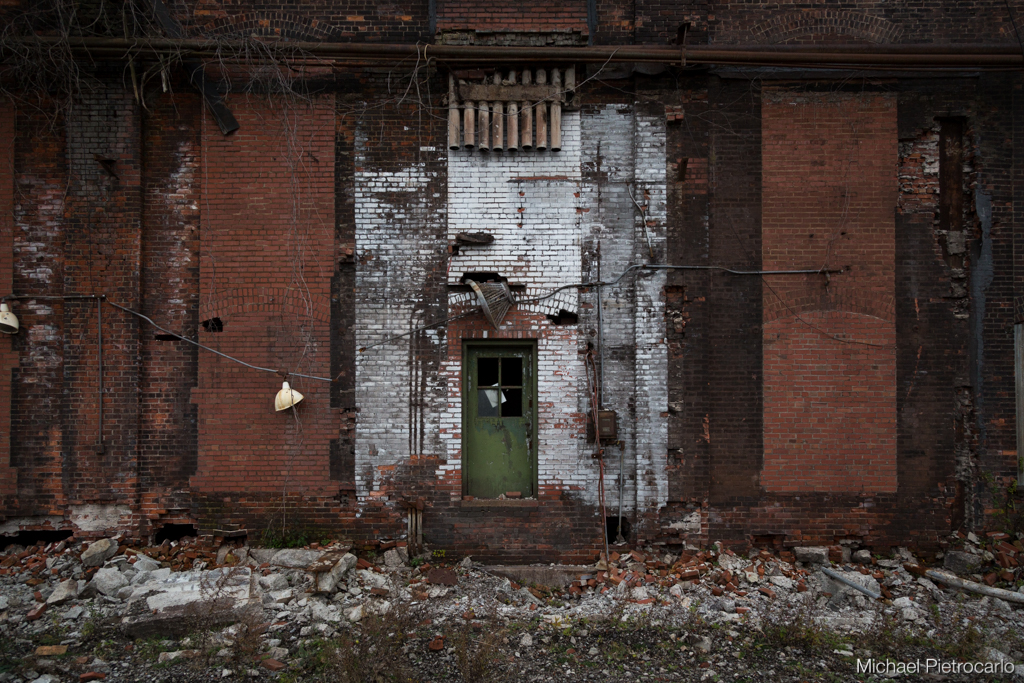
- In Front of the Green Door
- detroit-insulated-wire-45
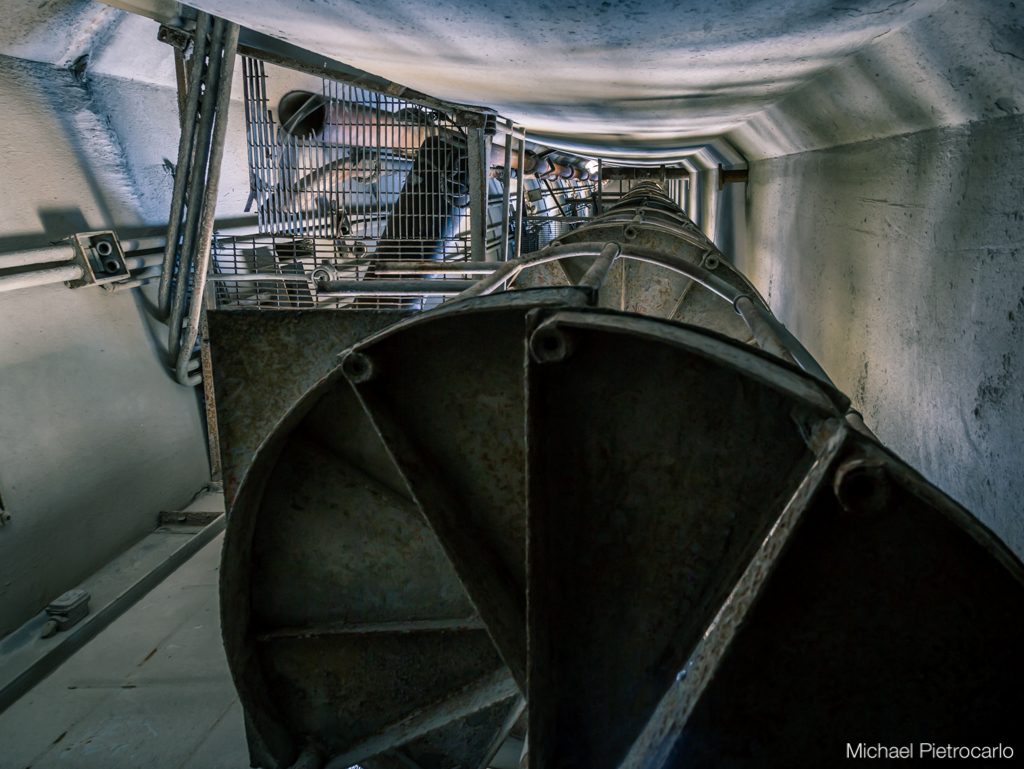
- Spiral Ascension
- Exhausted
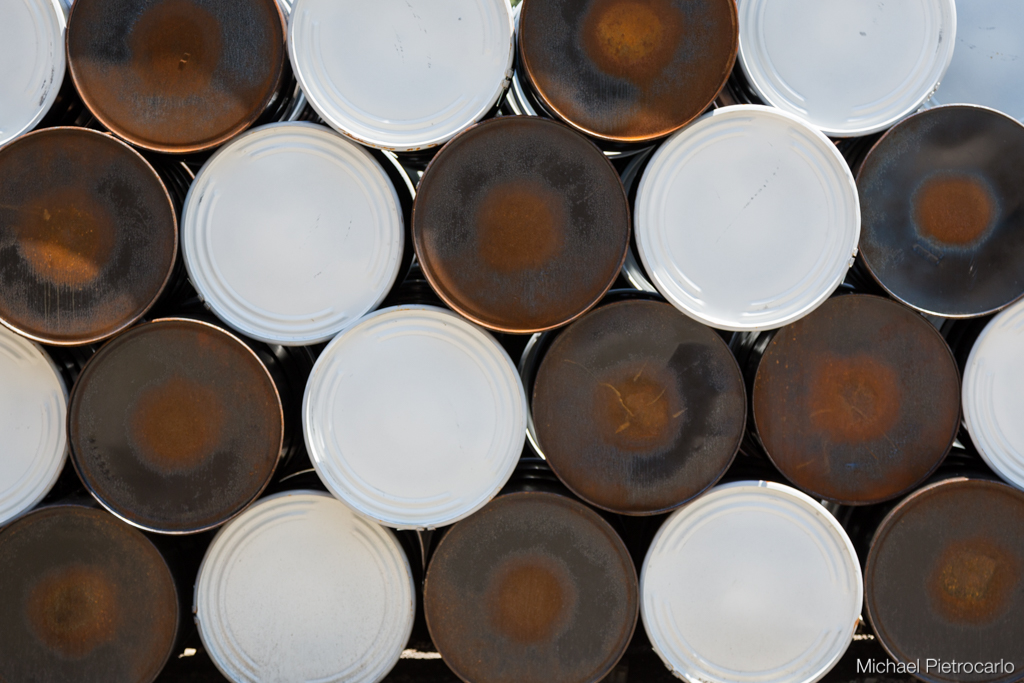
- Barrel o' Chem
- Disuse
- Exposed on All Sides
- Safe Flight
- detroit-21-2
-
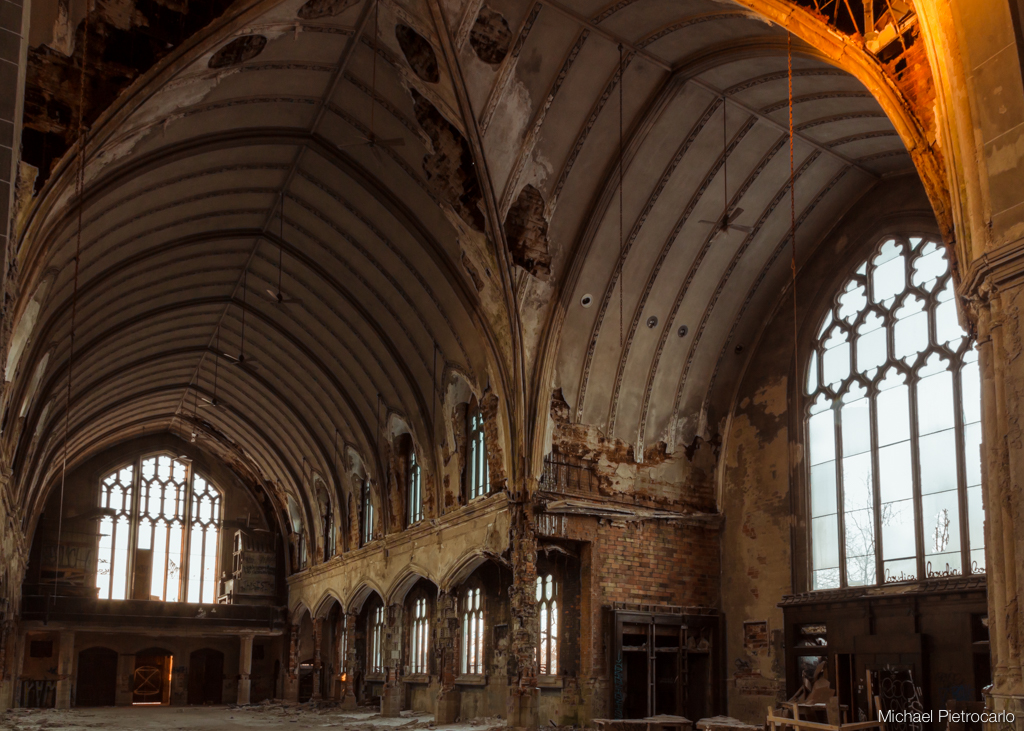
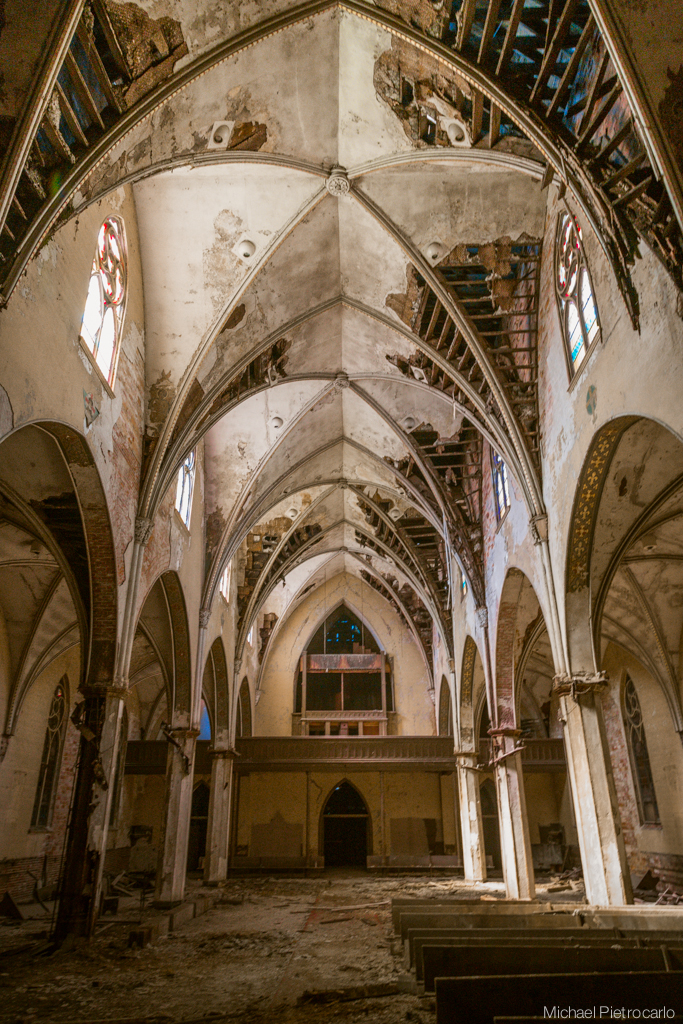
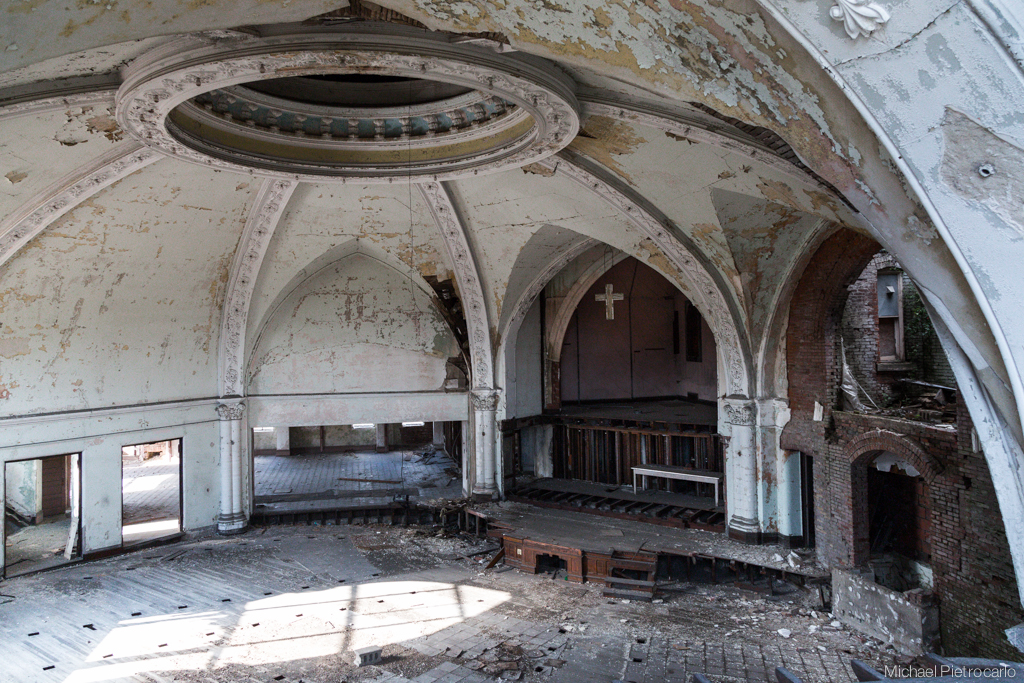
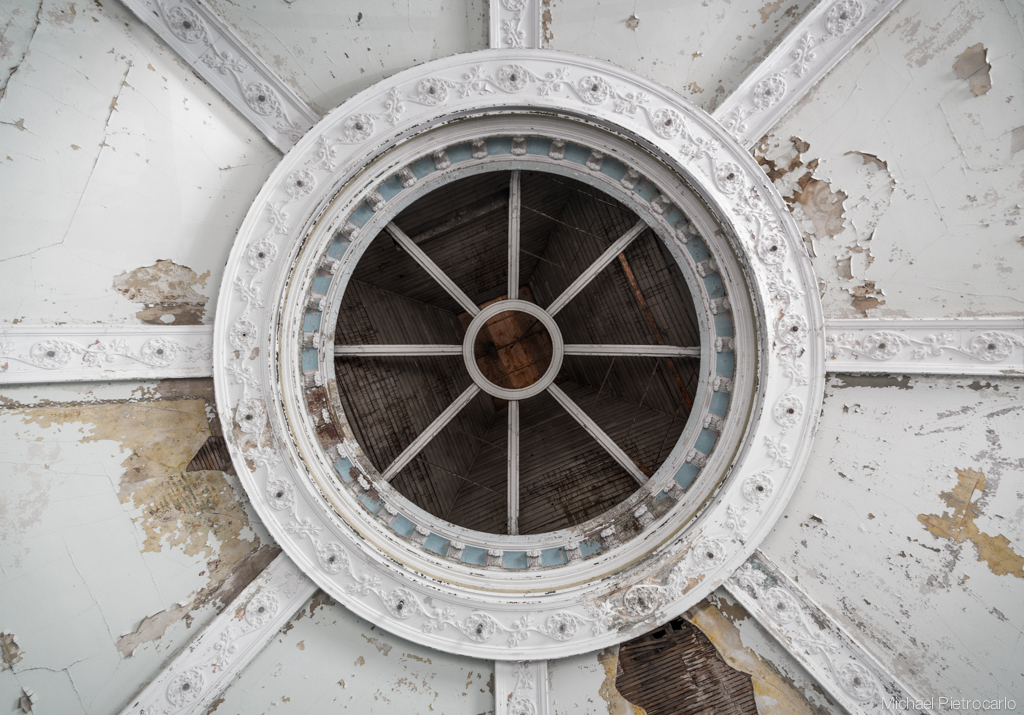
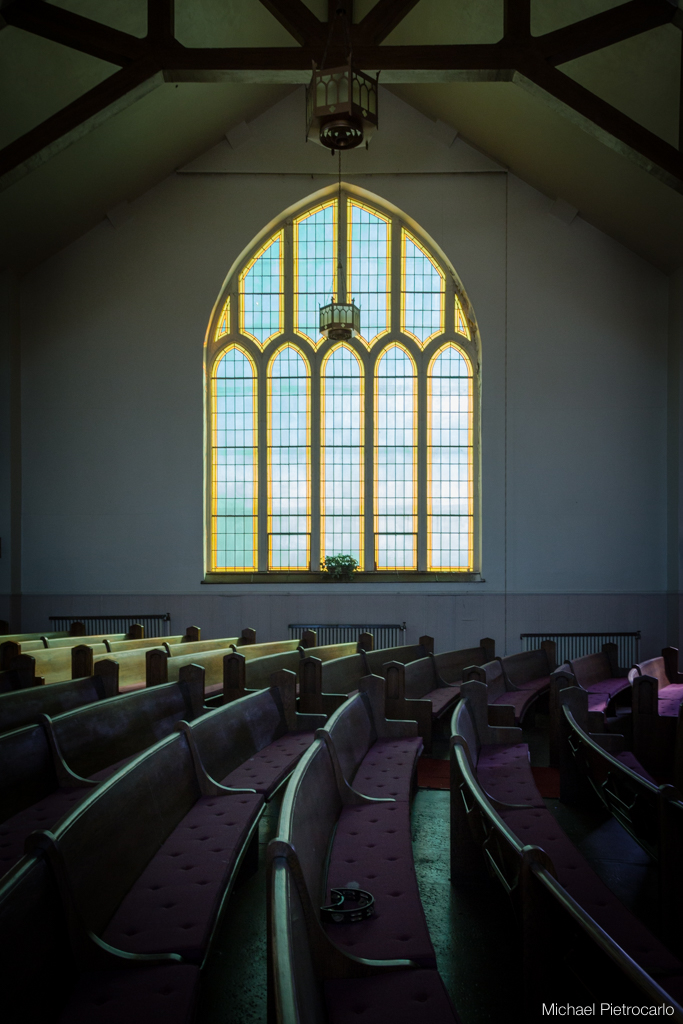
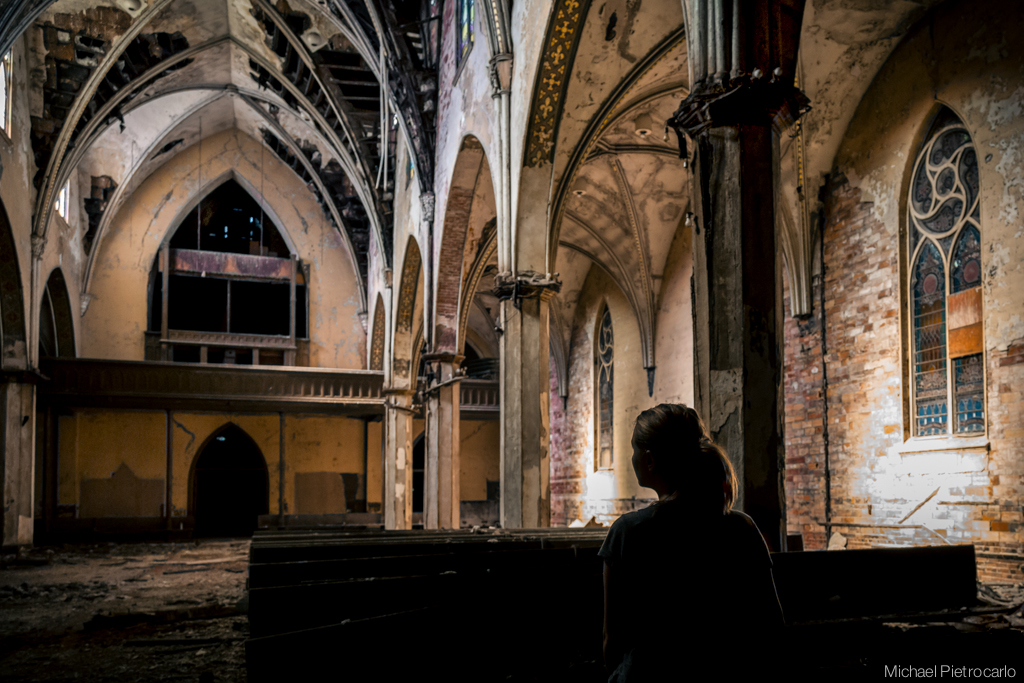
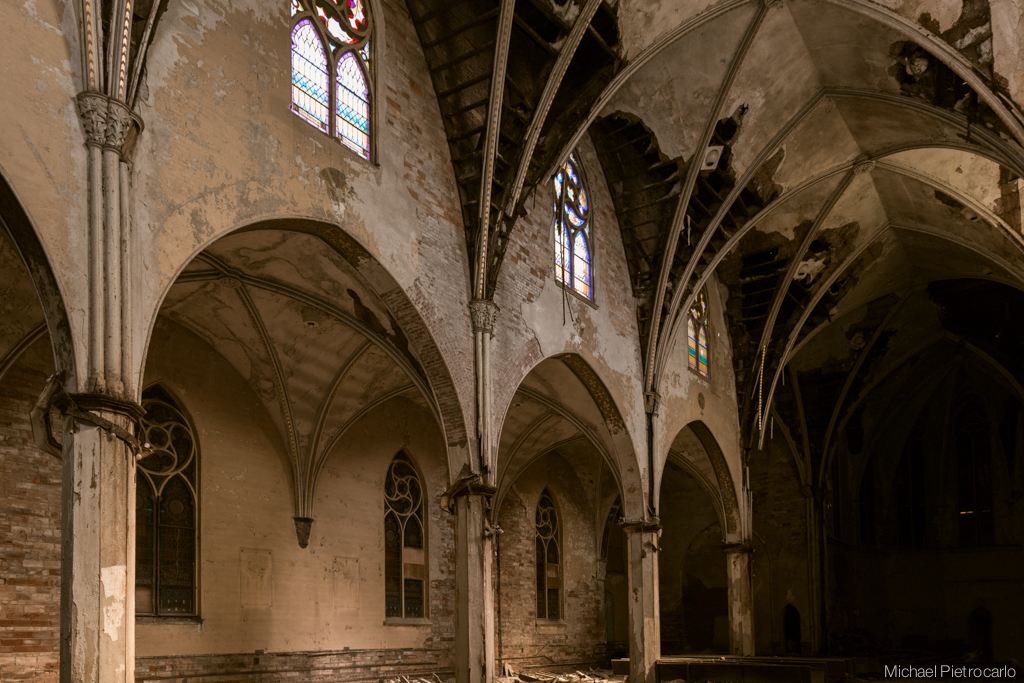
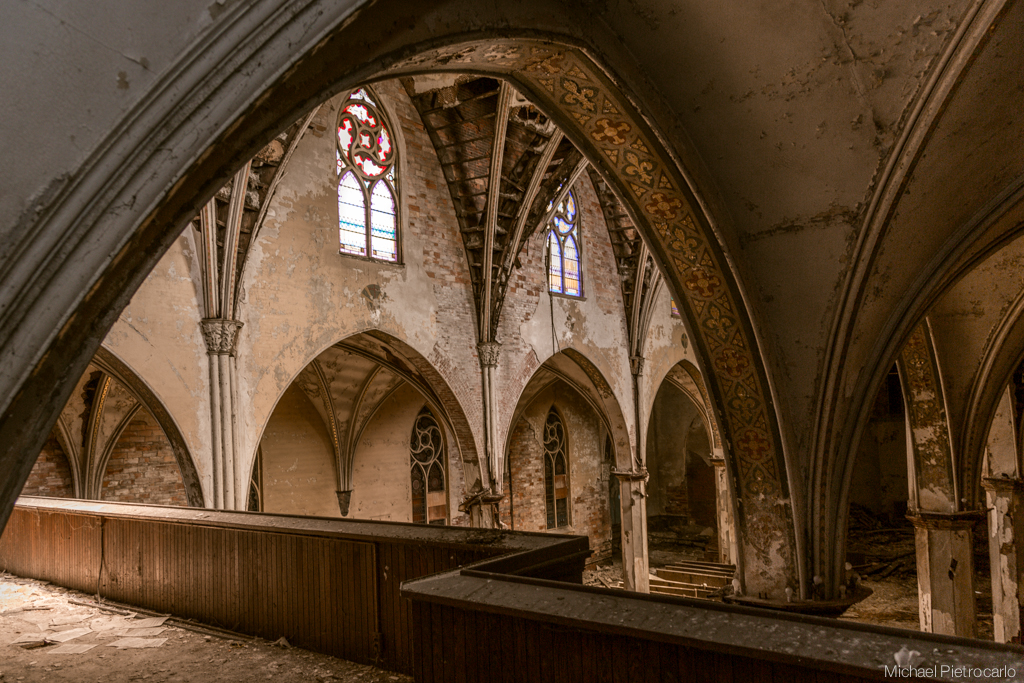
Forlorn Faith
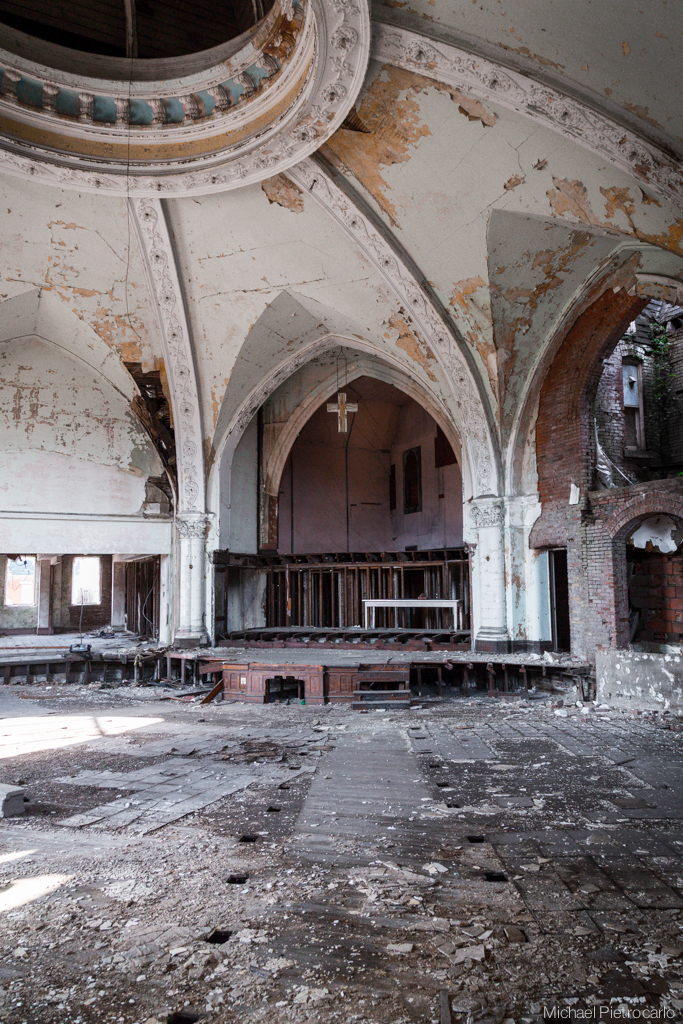
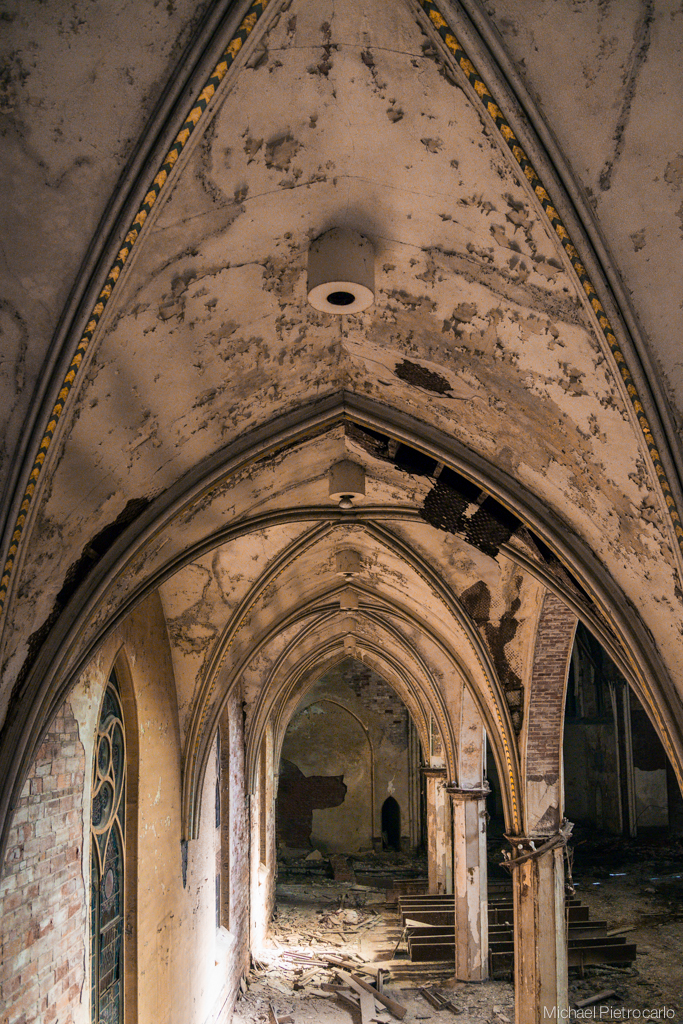
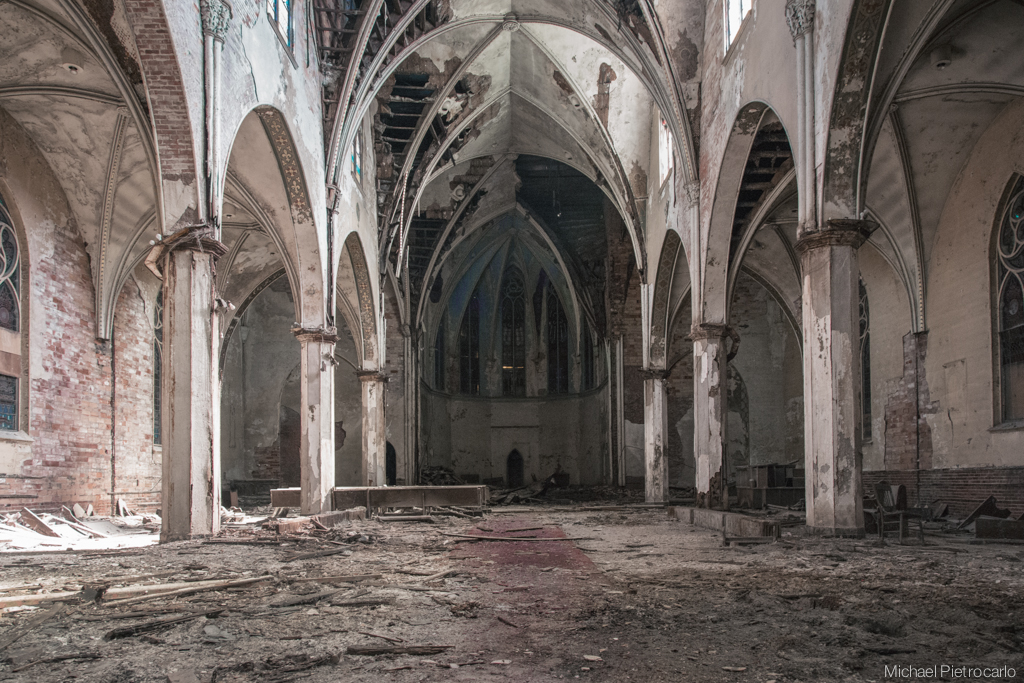
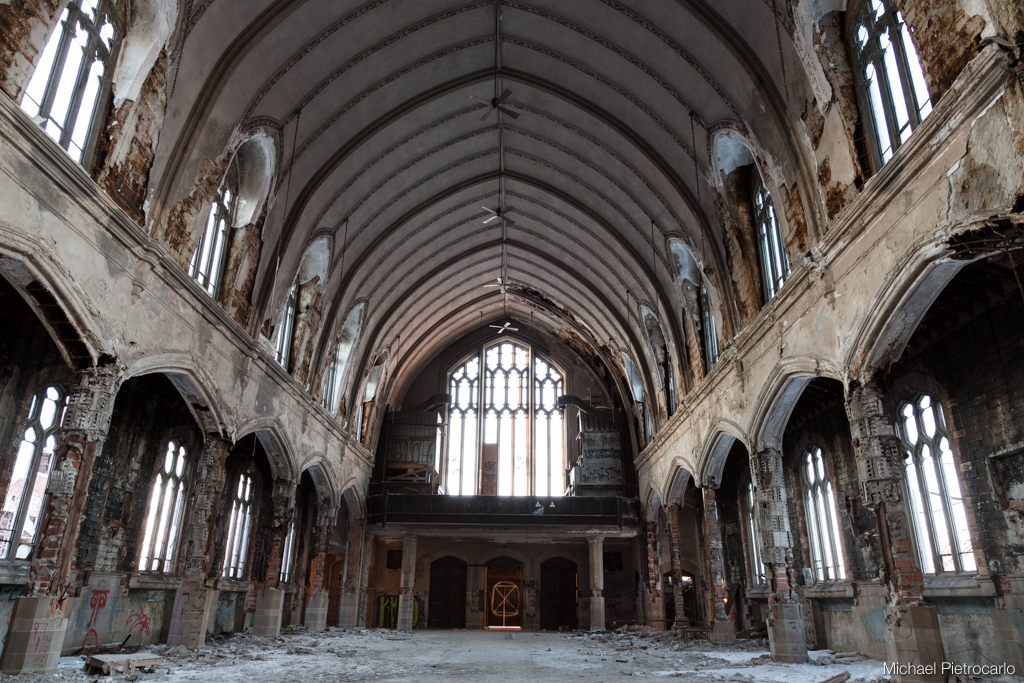
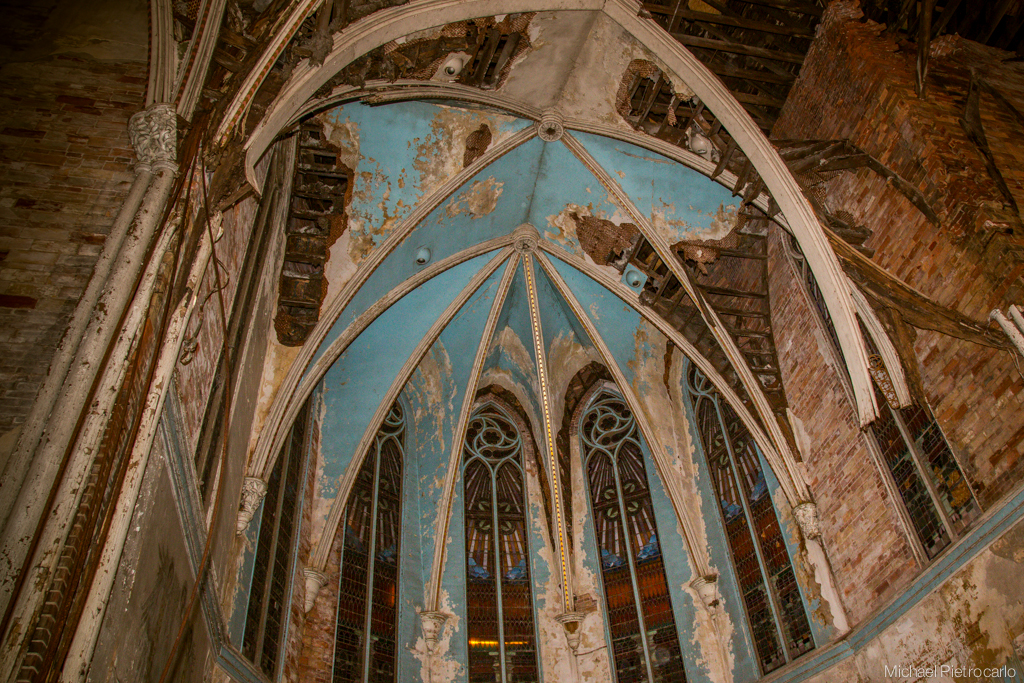
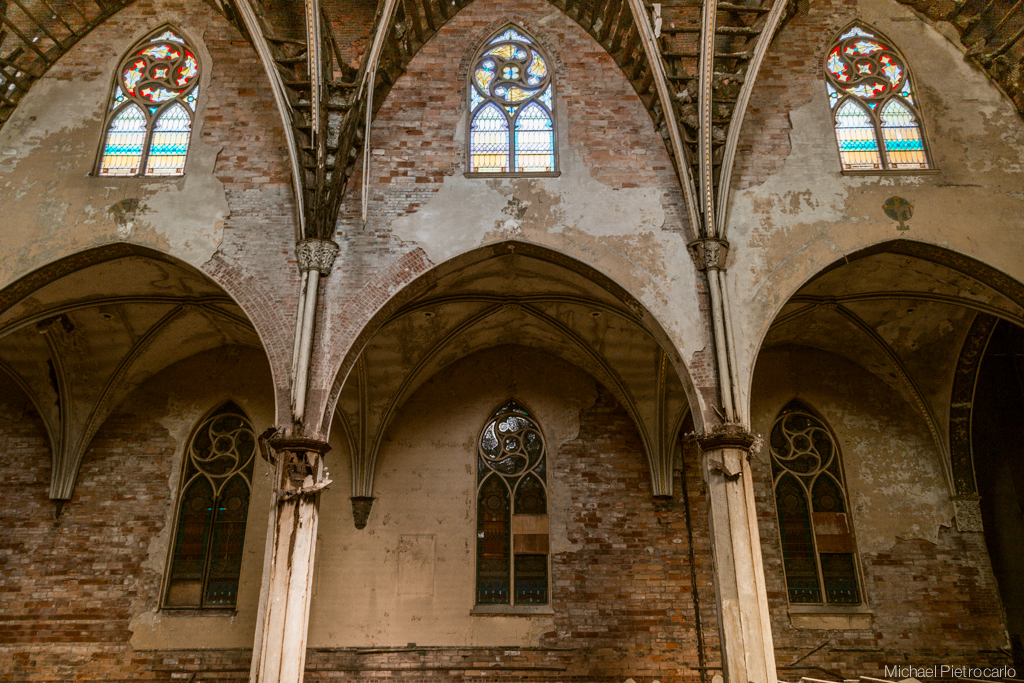
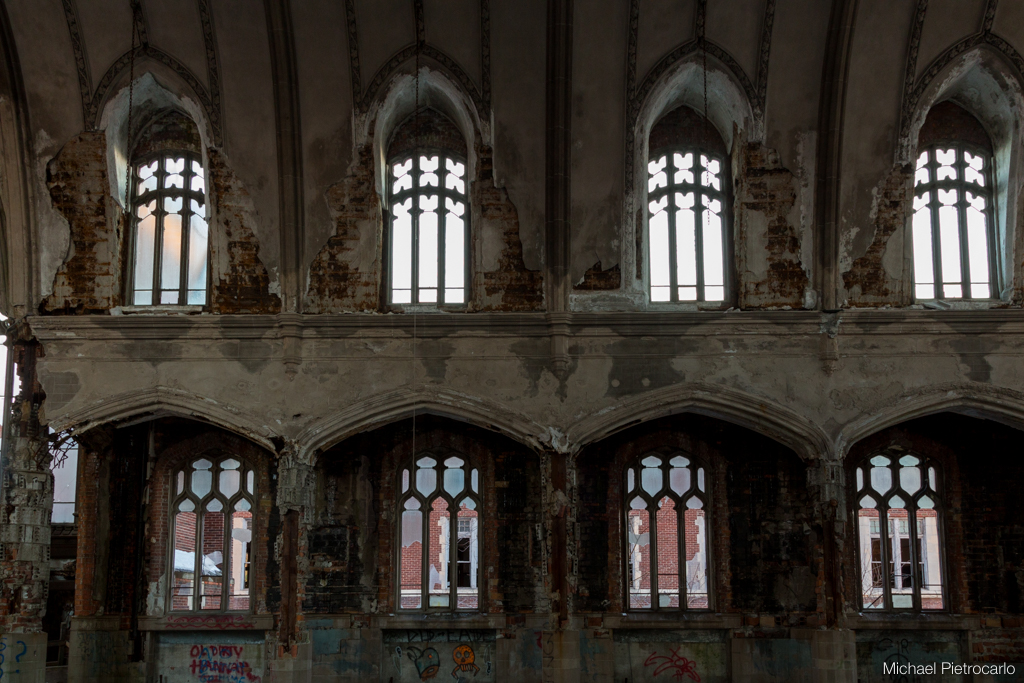
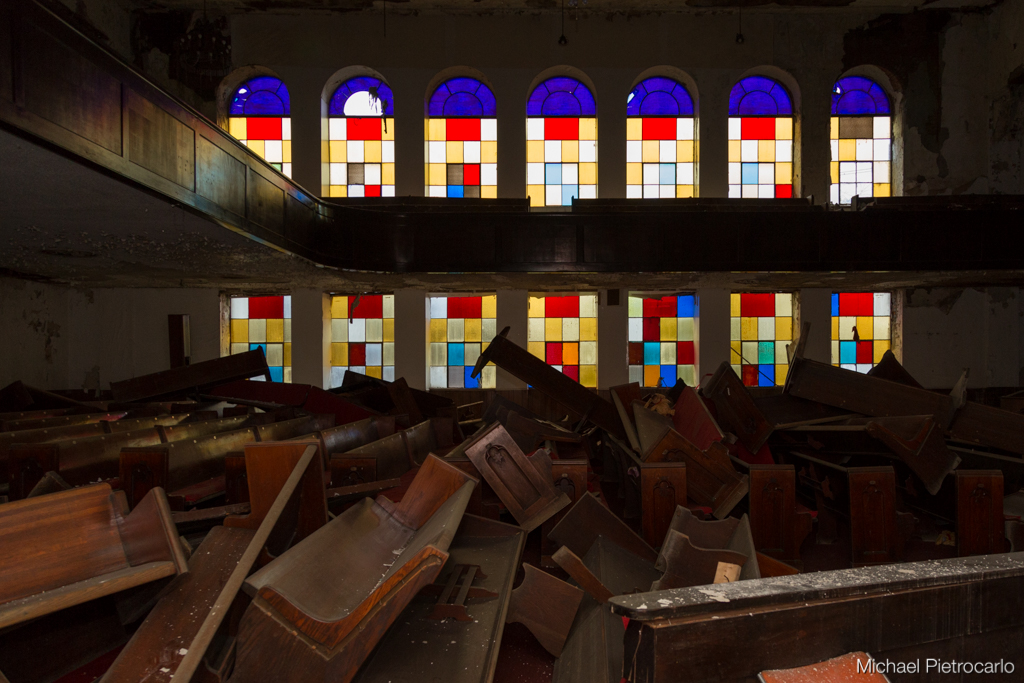
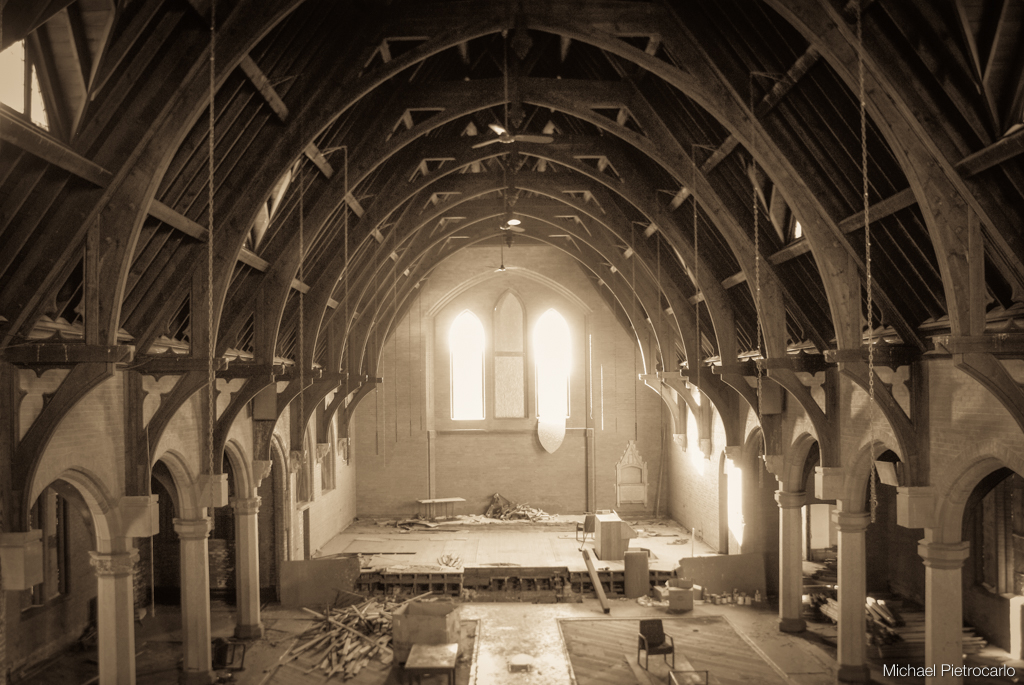
There is a disturbing sense of irony imparted upon a disused Church. A monument built to revere eternity, undermined by the transience of man. Economies fail, parishioners leave town, and their temples are left to crumble.
Yet the shelter these houses provide to desperate vagrants, and the enduring beauty of their architecture still provide hope, and solace, to those who haven't left the rough side of town.
- Exedra Everlasting
- Flooded Nave
- Agnes Daylight
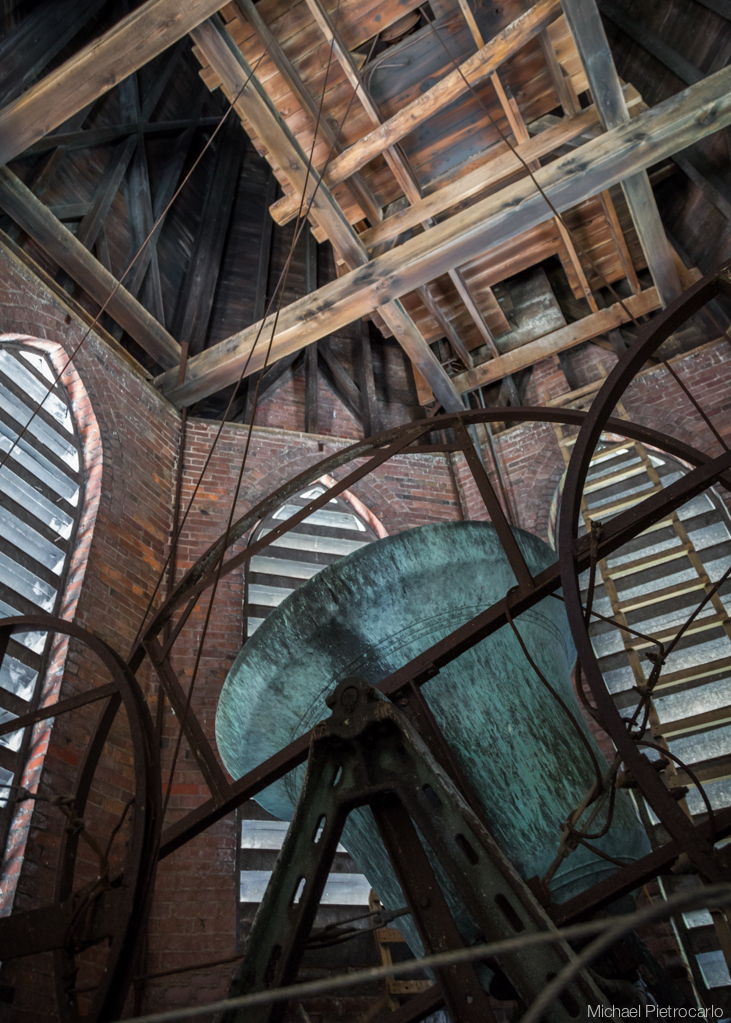
- Belfry Tarnish
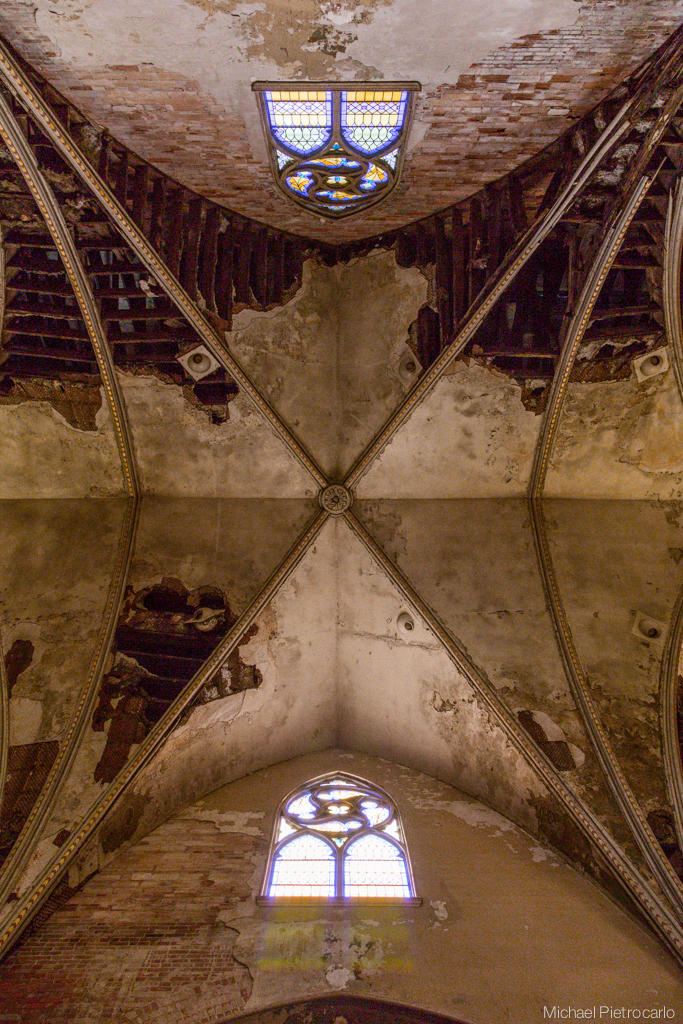
- Rib Symmetry
- Aisle Standing
- Silent Tambourine
- Amaranthine Rotunda
- Enlightenment
- https://www.michaelpietrocarlo.com/wp-content/uploads/Arcade-Abandoned1.jpg
- https://www.michaelpietrocarlo.com/wp-content/uploads/Exedra-Everlasting1.jpg
- https://www.michaelpietrocarlo.com/wp-content/uploads/Belfry-Tarnish1.jpg
- https://www.michaelpietrocarlo.com/wp-content/uploads/Rib-Symmetry1.jpg
- https://www.michaelpietrocarlo.com/wp-content/uploads/Tracery.jpg
- st-agnes-06
- https://www.michaelpietrocarlo.com/wp-content/uploads/Enlightenment.jpg
- Nave
- https://www.michaelpietrocarlo.com/wp-content/uploads/Dusty-Pipes.jpg
-
Hearn
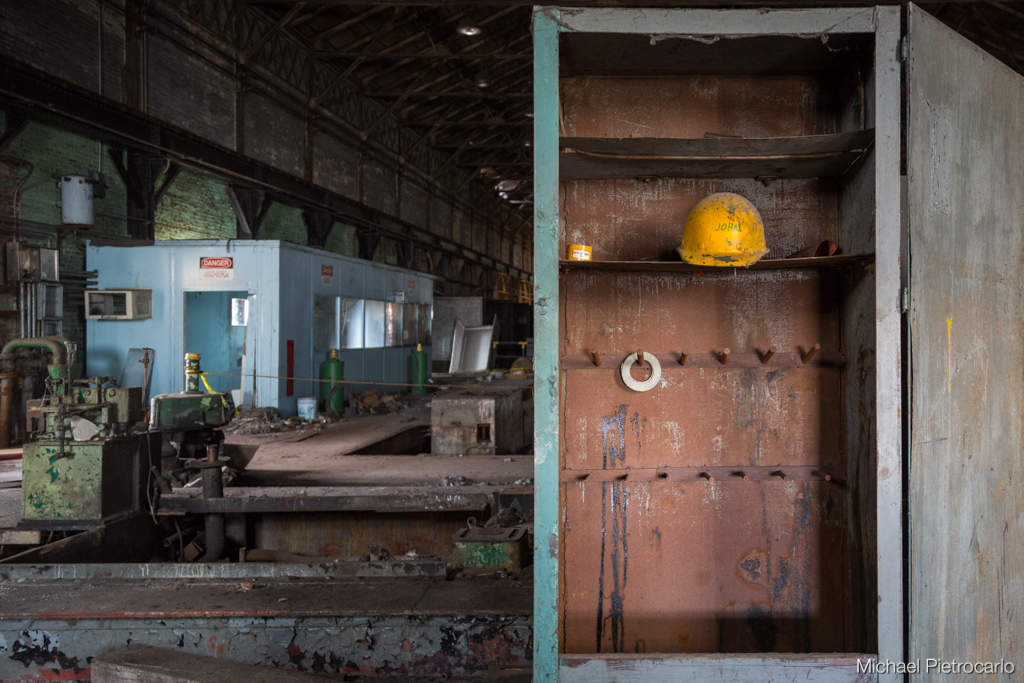
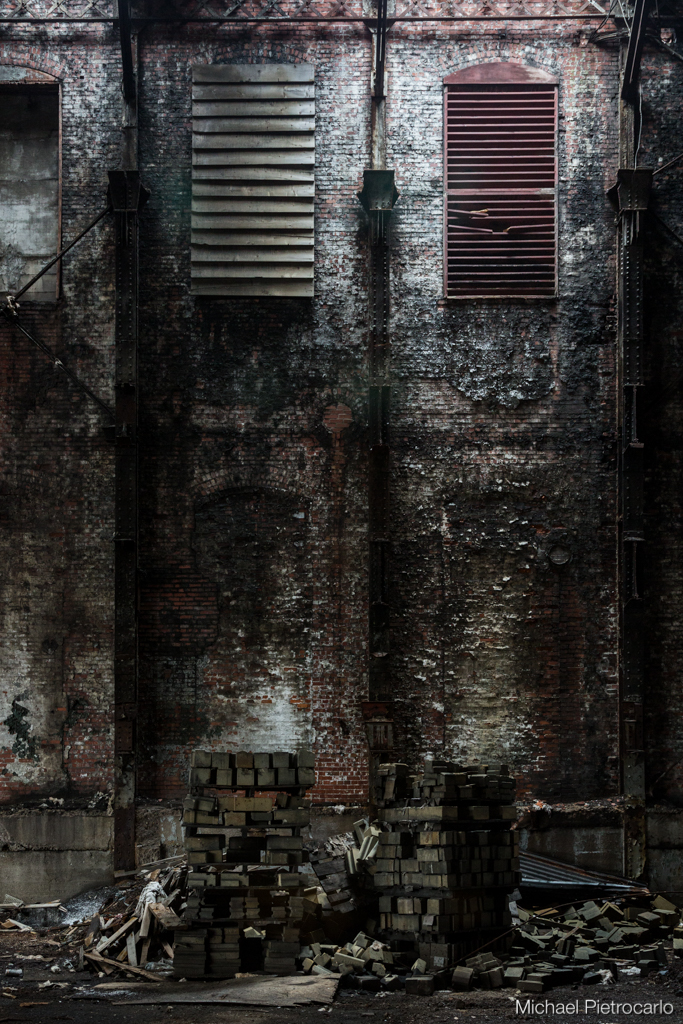
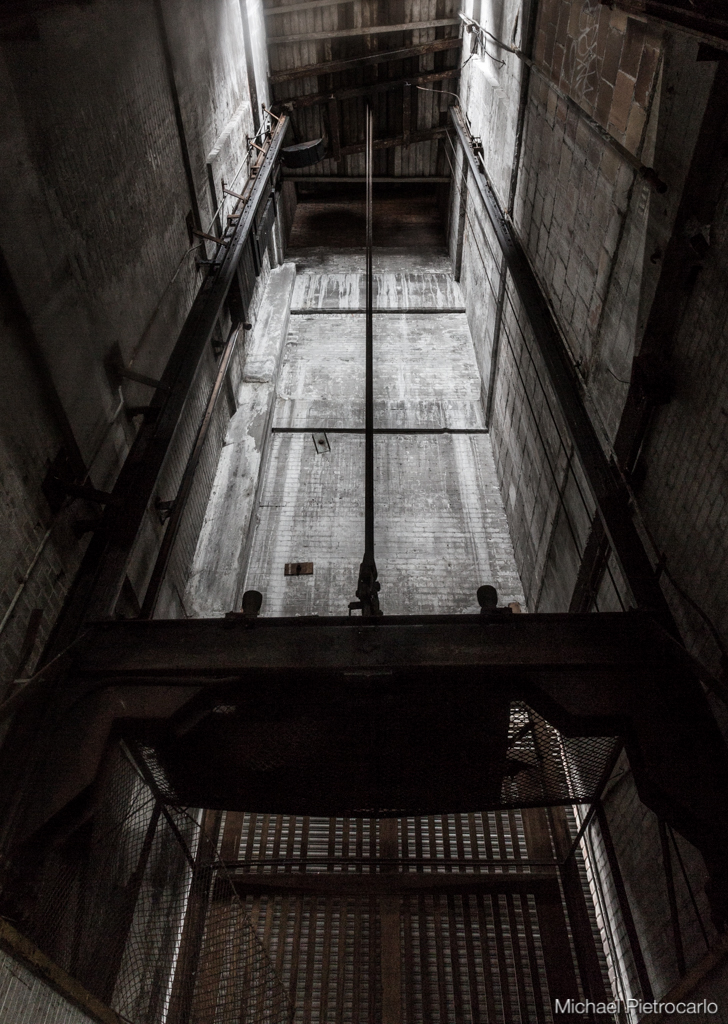
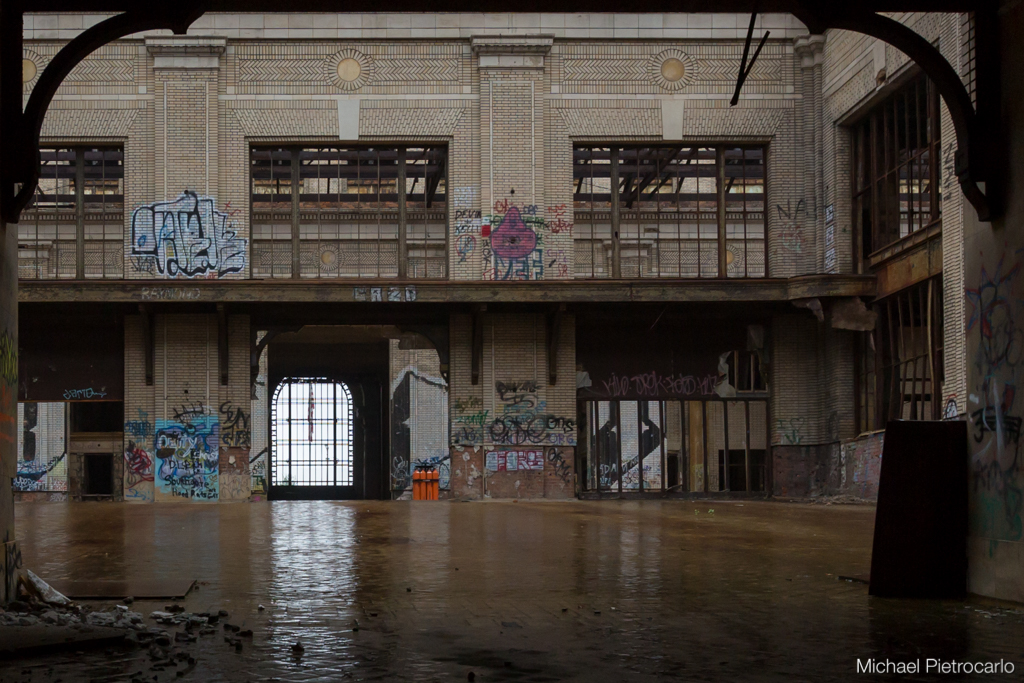
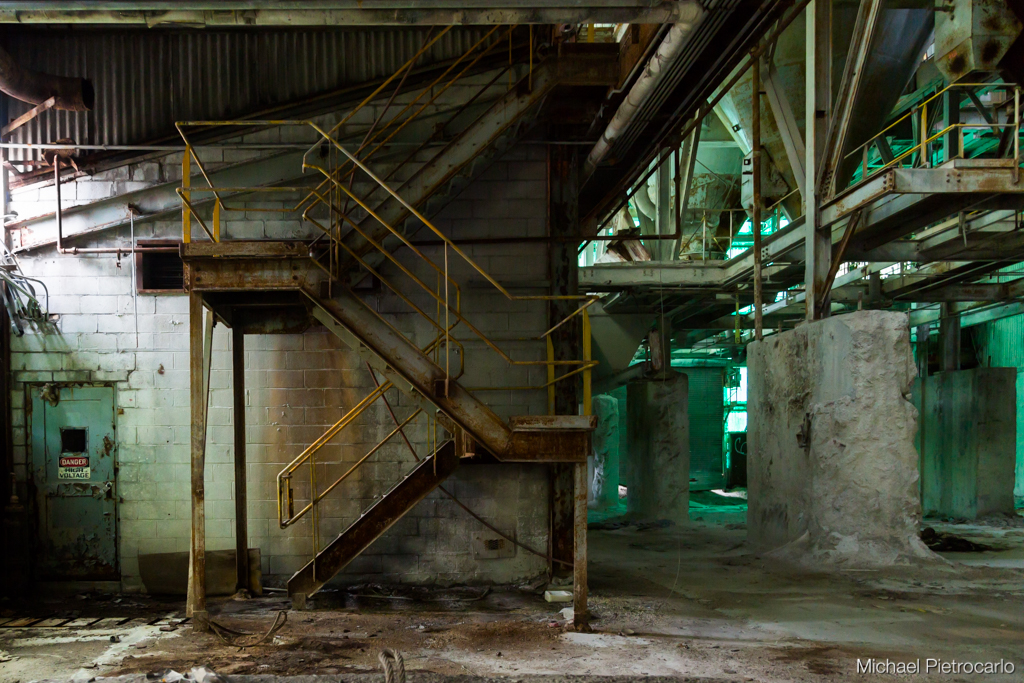
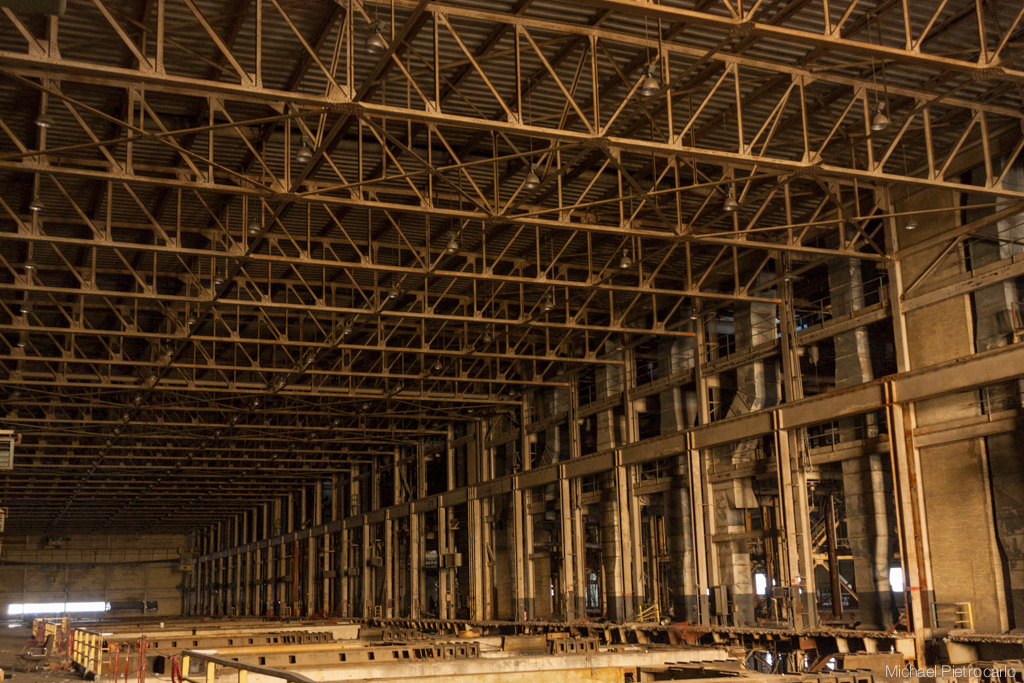
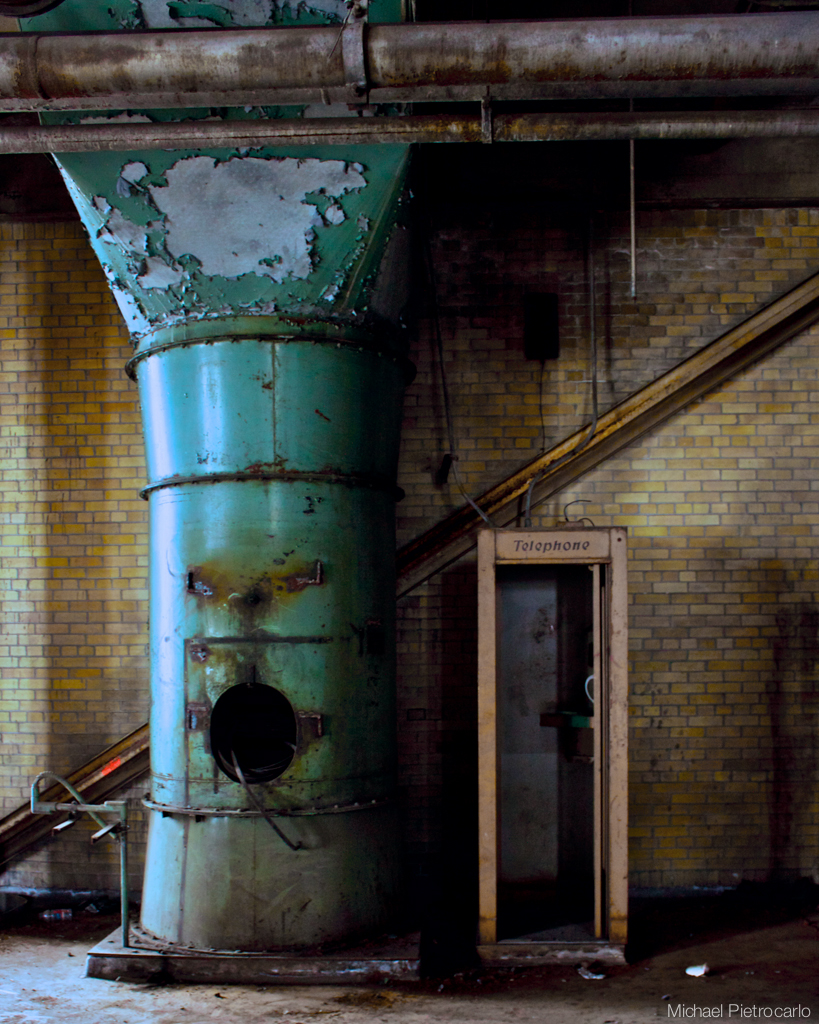
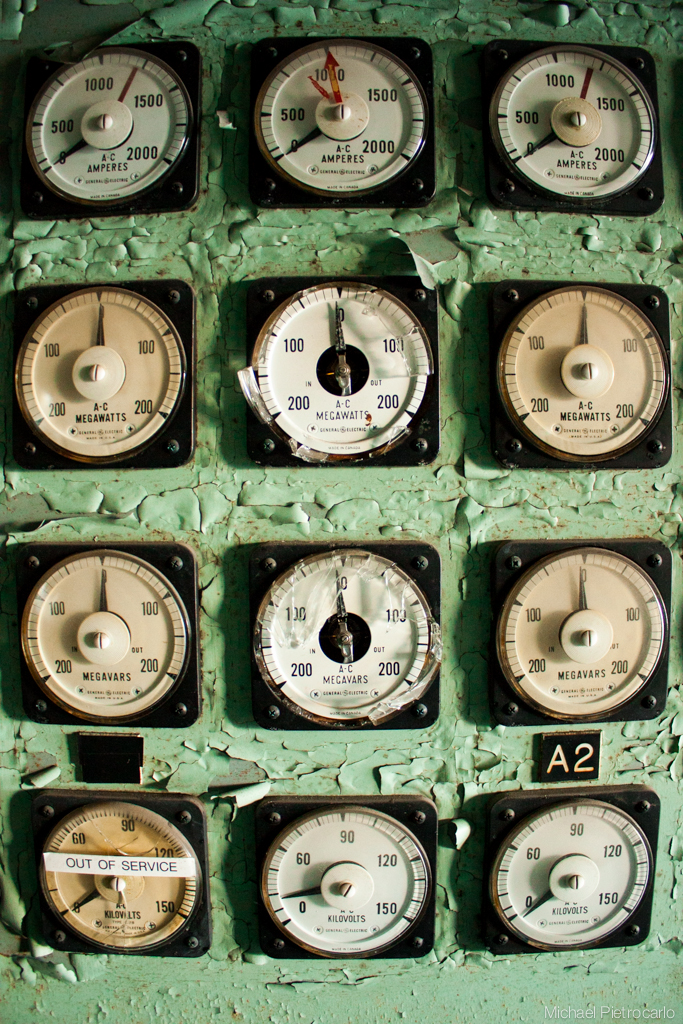
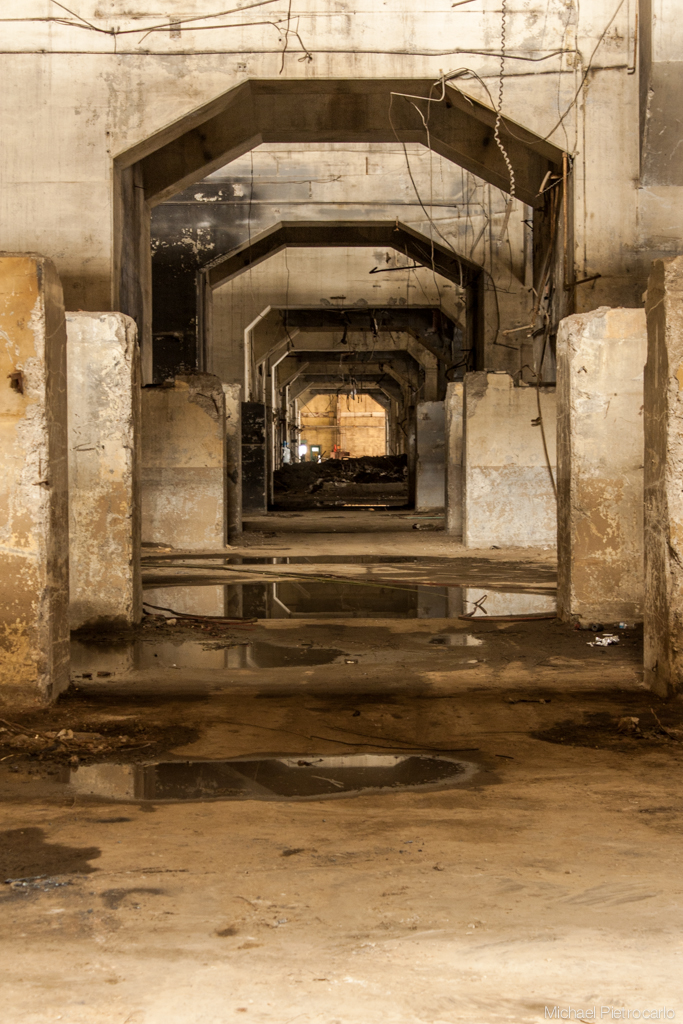
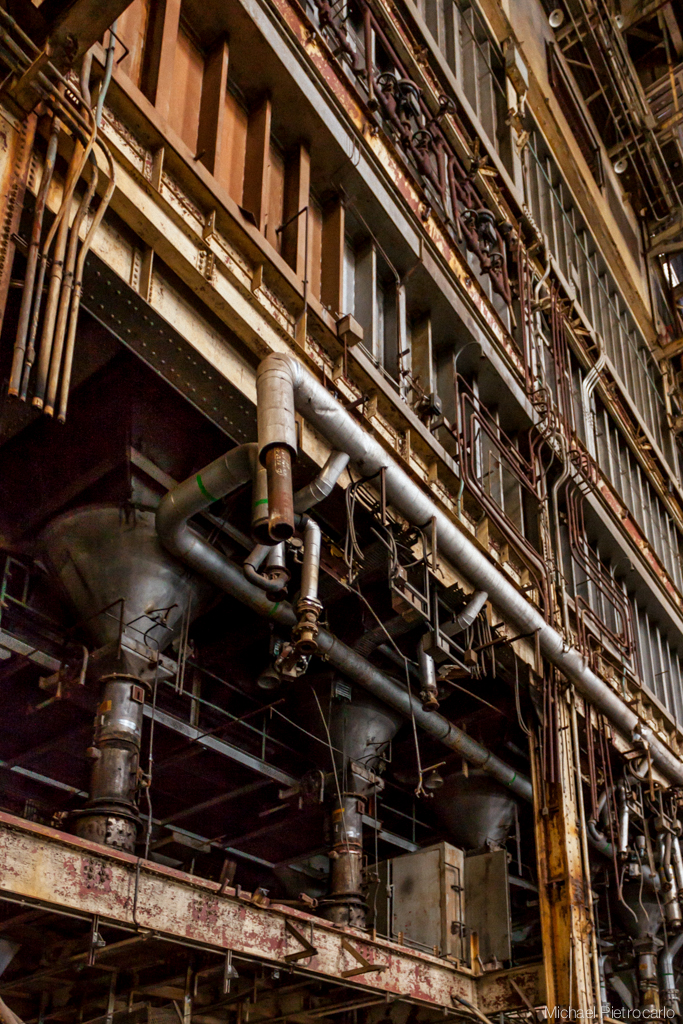
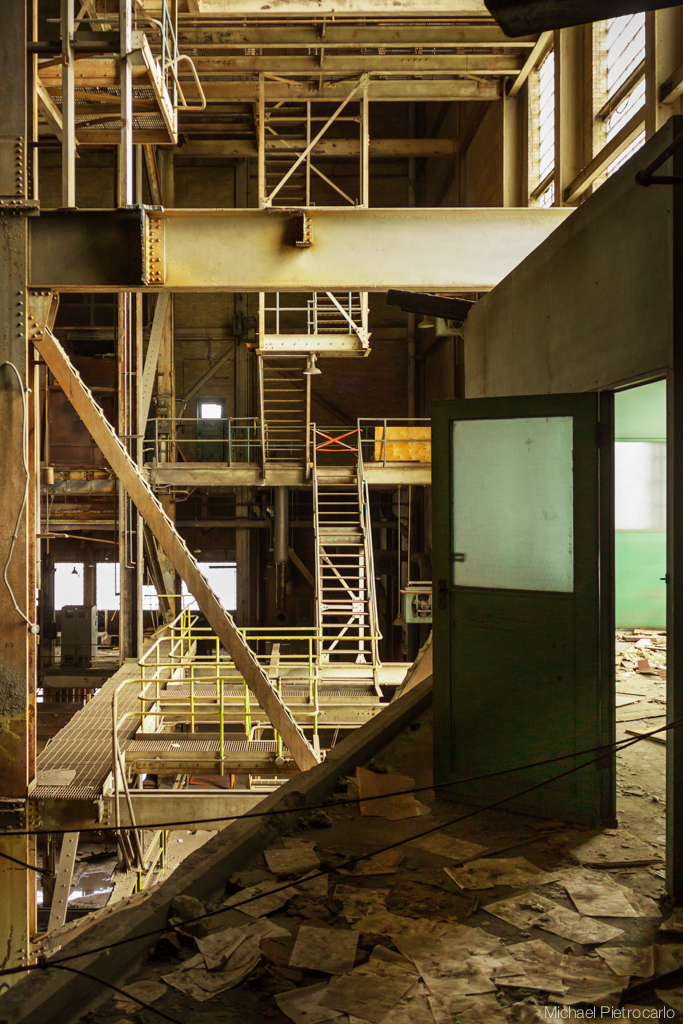
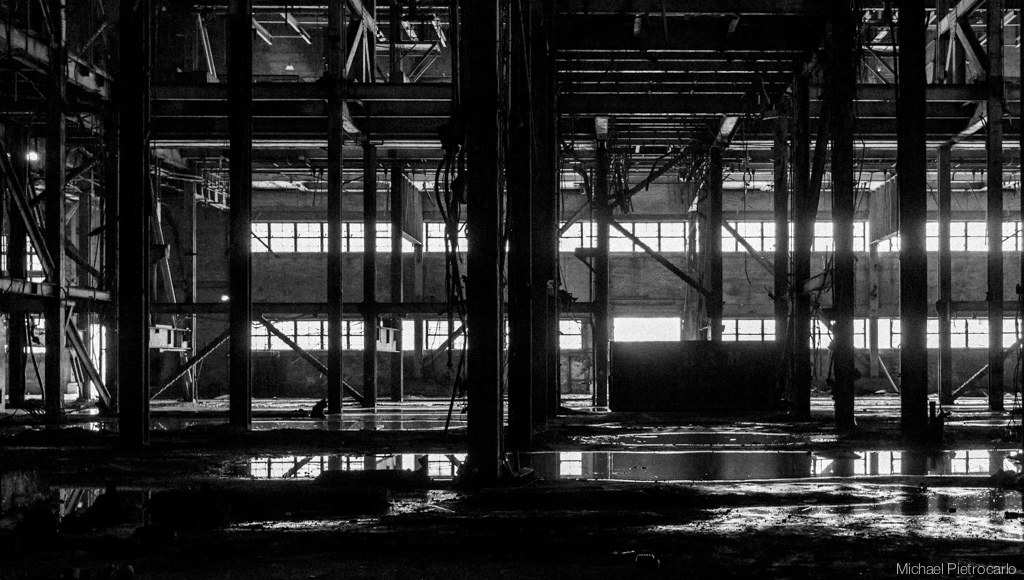
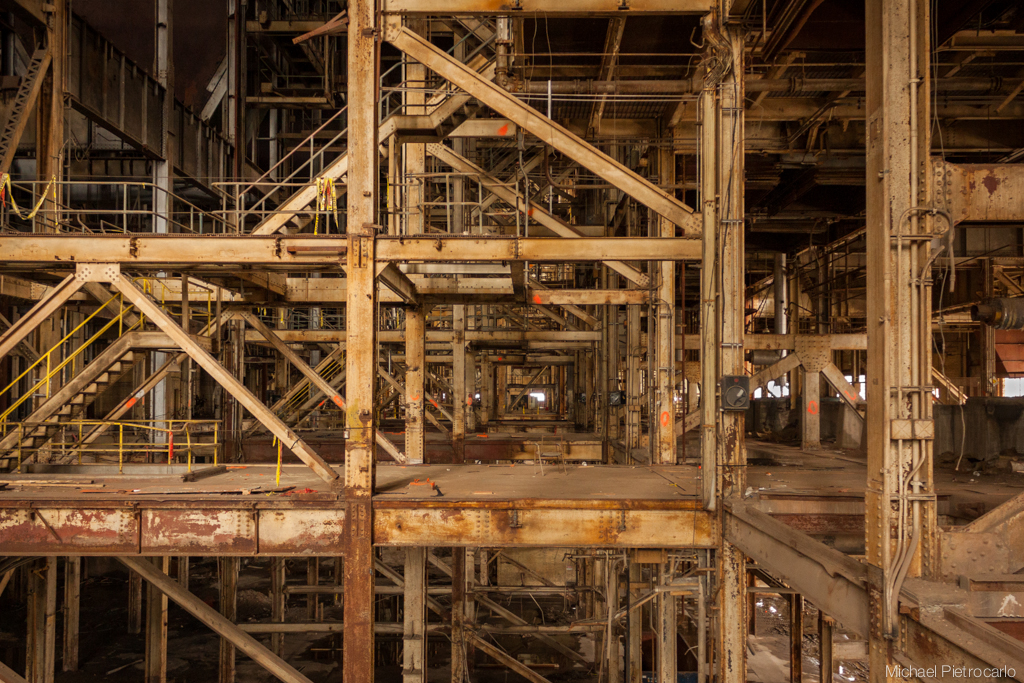
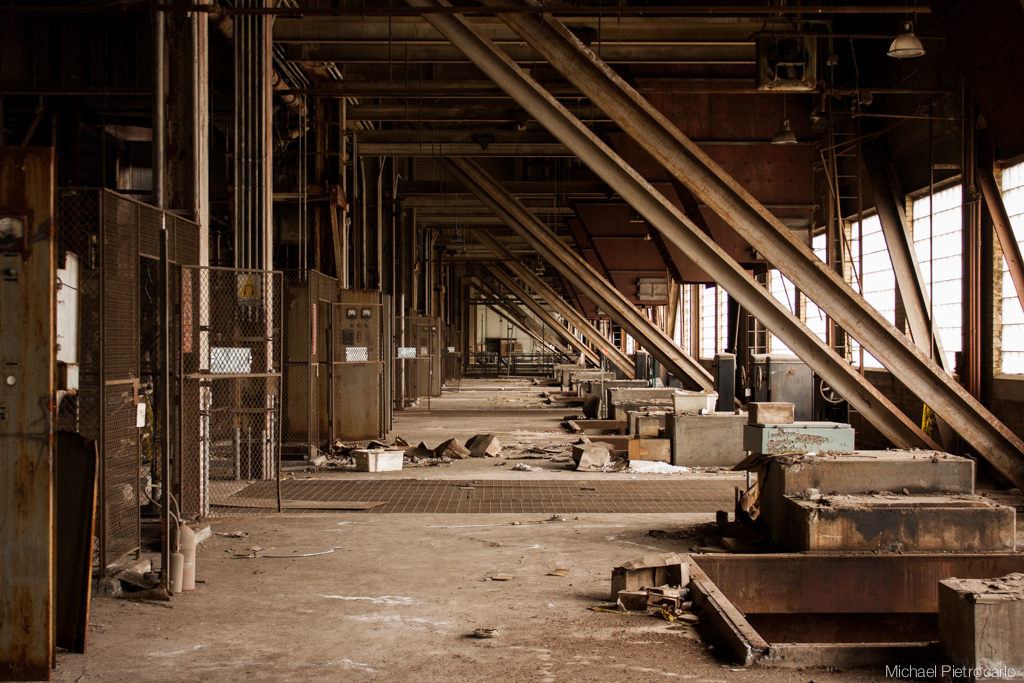
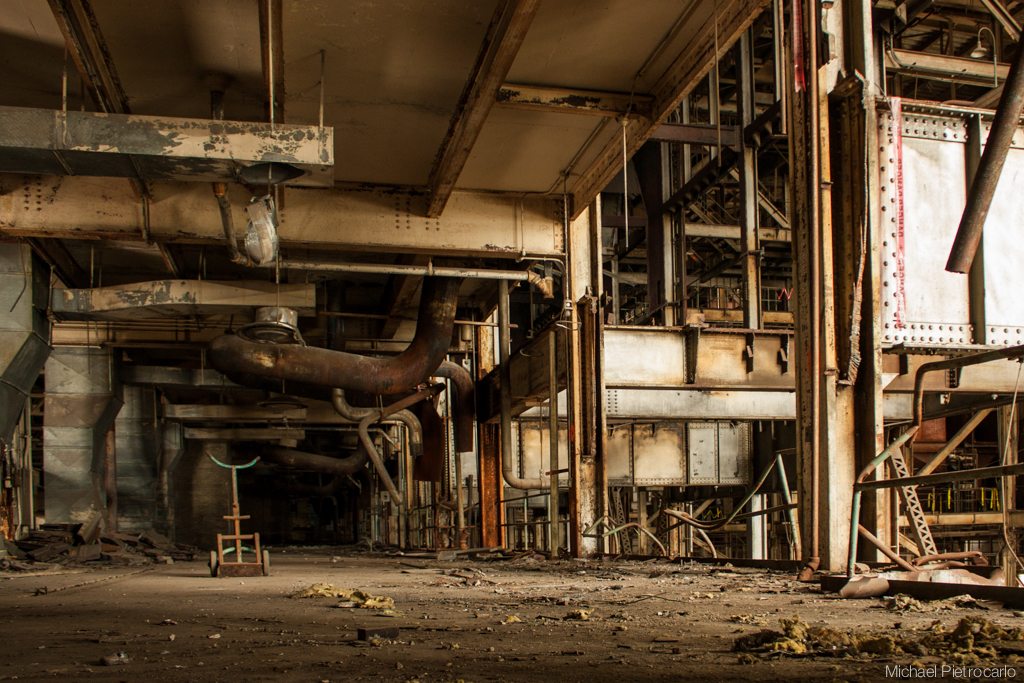
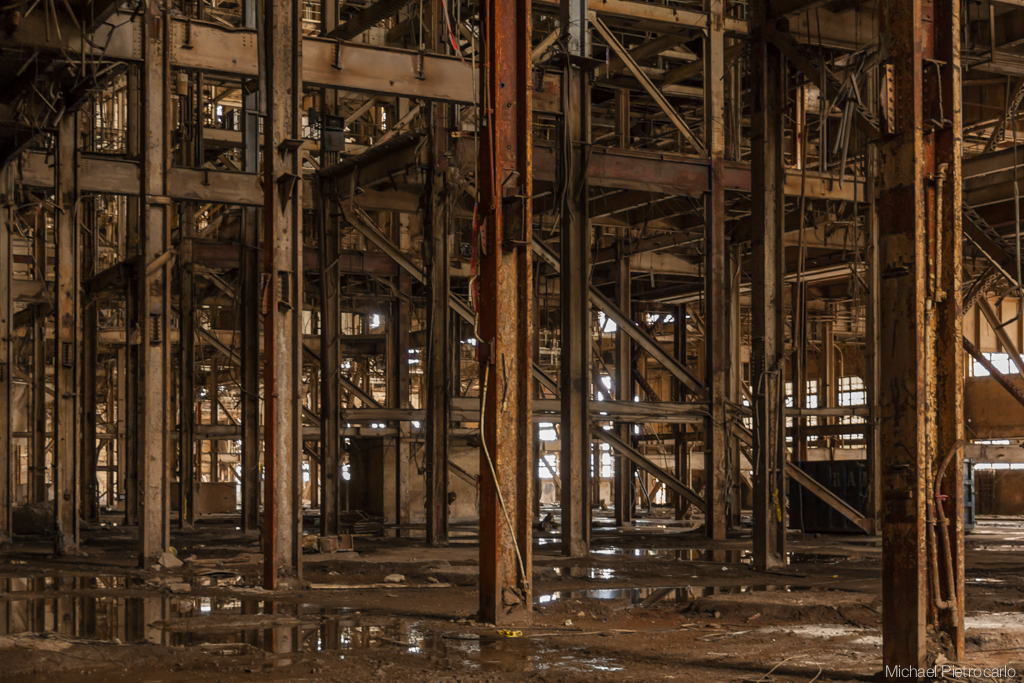
The tallest smokestack in Toronto looms over the Portlands, in stark contrast to the high-rise gentrification of its neighboring areas. Built in 1951, the R.L. Hearn Generating Station helped power the city for over 30 years until its decommissioning. This enormous relic epitomizes the ugliness of neglect, but inside the leftover machinery, labyrinthine skeleton, and the sheer scale inspires a sublime sense of awe. There has been talk of repurposing the structure, and Hollywood's location scouts often select Hearn as a backdrop ("Robocop," "Red"); but in the meantime Tate Modern remains the best realization of such potential.
Forgotten places ravaged by nature, time, and ruin